Top 10 Best Houseplants for Mental Health & Stress Relief
Your brain needs green things. Here's the science-backed guide to houseplants that actually reduce stress, anxiety, and depression.
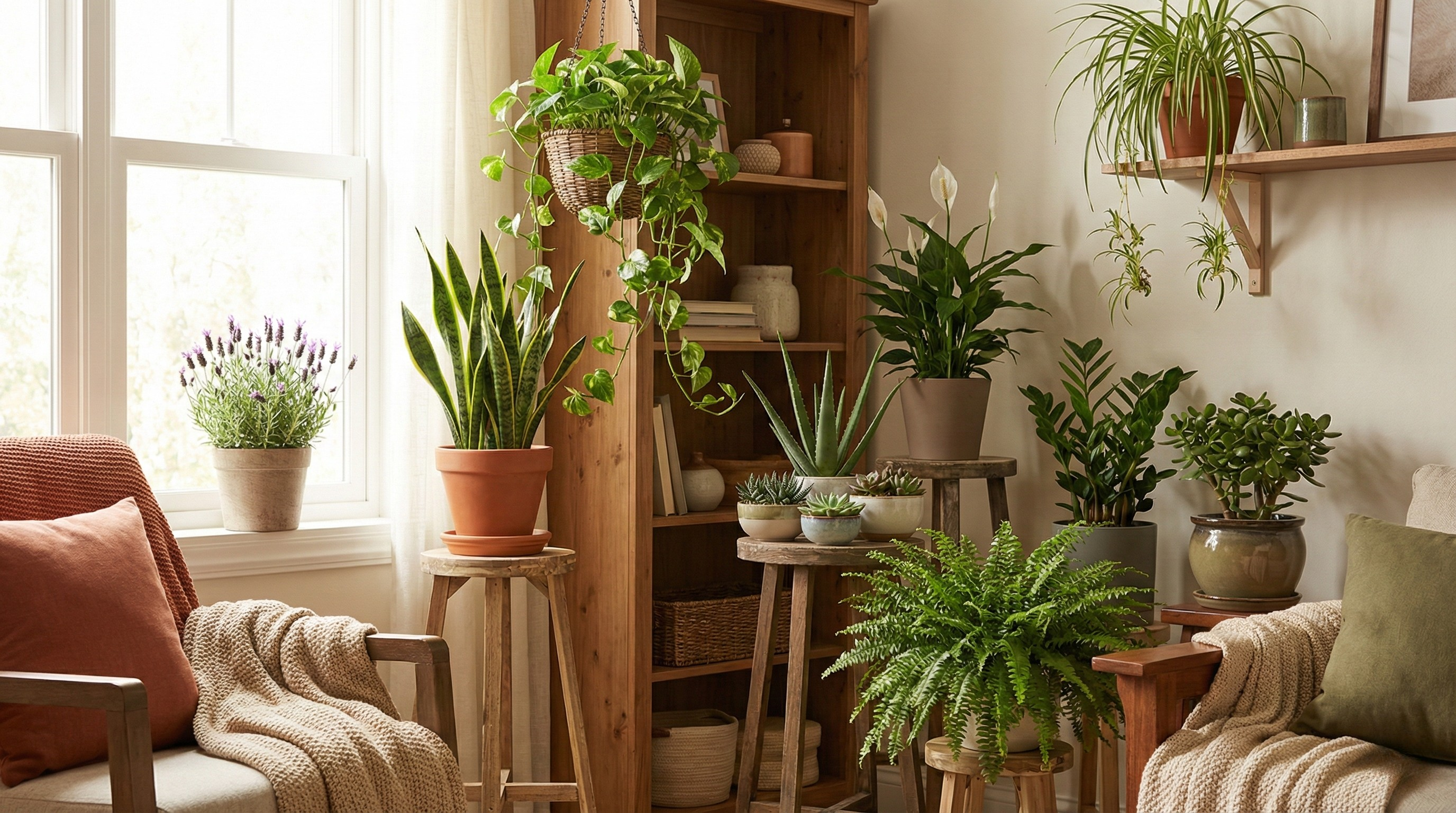
Why Houseplants Improve Mental Health (The Science)
Decades of research confirms it: indoor plants genuinely improve mental health. They lower cortisol (your stress hormone), reduce blood pressure, and provide a living, breathing reason to stay present in the moment.
The good news: You don't need a jungle. Even 1-3 plants can make a measurable difference in anxiety and depression symptoms. And you definitely don't need a green thumb — most mental health benefits come from low-maintenance plants that forgive your mistakes.
What the research shows:
- Visual calm: Looking at plants for 3-5 minutes reduces stress hormones and shifts brain activity toward calmer states
- Cortisol reduction: Indoor plants reduce cortisol levels by up to 15% compared to plant-free environments
- Horticultural therapy: Clinically proven to reduce symptoms of anxiety, depression, and PTSD (hospitals use it because it works)
The act of caring for something alive might be the most therapeutic part of all. Watering a plant forces you to slow down. That's mindfulness without the meditation app.
Top 10 Houseplants for Mental Health (Ranked by Effort)
1. Snake Plant - The Resilient Stress-Reliever
Effort Level: Low
Mental Health Benefit: Anxiety reduction through reliability
Nearly impossible to kill. Thrives on neglect, tolerates low light, needs watering every 2-3 weeks. For anxious beginners, this builds confidence fast.
Releases oxygen at night (unlike most plants), making it ideal for bedrooms.
Mindfulness Tip: When watering, practice stillness for 30 seconds. Stay with it.
2. Pothos - The Easy-Going Mood Booster
Effort Level: Low
Mental Health Benefit: Visual calm and propagation therapy
Trails beautifully, grows fast, tells you when it's thirsty (drooping leaves). Watching it grow provides dopamine without the doom scroll.
Propagates easily in water. Watching roots form is meditative — and gives you more plants.
Mindfulness Tip: Trim a vine and propagate it. Watch roots grow daily.
3. Lavender - The Anxiety-Reducing Aromatic
Effort Level: Medium
Mental Health Benefit: Scent-based anxiety relief
Scientifically proven to reduce cortisol and improve sleep. The only plant you can smell your way to calm with.
Needs bright light and careful watering (hates soggy roots). Brush your hand over leaves before bed for instant aromatherapy.
Mindfulness Tip: Inhale lavender scent for 10 deep breaths. Pairs scent with breathwork.
4. Spider Plant - The Air-Purifying Comforter
Effort Level: Low
Mental Health Benefit: Air quality and visual interest
Forgiving, pet-safe, excellent air purifier. Removes toxins linked to headaches and brain fog.
Produces "babies" (spiderettes) that dangle adorably. Your plant gives you gifts.
Mindfulness Tip: Count the baby spiderettes when watering. Notice which grew.
5. Peace Lily - The Mood-Enhancing Beauty
Effort Level: Low-Medium
Mental Health Benefit: Visual beauty and humidity
Blooms indoors with minimal effort. White blooms provide psychological lift — a natural mood boost for depression.
Increases humidity, helping with dry skin and respiratory comfort.
Mindfulness Tip: Touch soil before watering. Learn what "dry" feels like.
6. Succulents - The Low-Effort Desert Zen
Effort Level: Low
Mental Health Benefit: Variety and tactile interaction
Endless shapes, colors, textures. Building a small collection creates visual interest without effort.
Many have soft, fleshy leaves you can gently touch. Physical interaction reduces stress.
Mindfulness Tip: Arrange succulents mindfully. Move them until it feels right.
7. Aloe Vera - The Healing Touch Plant
Effort Level: Low
Mental Health Benefit: Reciprocal care
The rare plant that actively helps you. Burn yourself? Break off a leaf. The gel soothes burns, cuts, and dry skin.
Creates reciprocity — you care for it, it cares for you.
Mindfulness Tip: When using aloe gel, thank the plant out loud. Gratitude practices work.
8. Boston Fern - The Humidity-Boosting Soother
Effort Level: Medium
Mental Health Benefit: Calming visual texture
Lush, soft, deeply calming. Feathery fronds create visual gentleness — the plant equivalent of a weighted blanket.
Needs consistent moisture and humidity, but acts as a living humidifier.
Mindfulness Tip: Mist daily. The ritual + sound of water = instant calm.
9. ZZ Plant - The Indestructible Confidence Builder
Effort Level: Low
Mental Health Benefit: Success for anxious beginners
Survives everything: low light, irregular watering, neglect. If you're terrified of killing plants, start here.
Watching something thrive despite imperfections is therapeutic. Builds confidence that transfers to other areas of life.
Mindfulness Tip: Let this plant teach you "good enough" is enough.
10. Jade Plant - The Prosperity and Positivity Symbol
Effort Level: Low
Mental Health Benefit: Symbolic meaning and patience
Symbolizes prosperity and good luck. Whether you believe it, symbols matter to our brains.
Grows slowly — you notice small changes over months. Teaches patience and presence.
Mindfulness Tip: When watering, state one thing you're grateful for.
Best Plants for Anxiety: Calming Varieties to Reduce Stress
Why Certain Plants Reduce Anxiety
Anxiety thrives on chaos. Plants provide gentle routine, visual order, and a reminder that growth happens slowly (and that's okay).
Best for anxiety: snake plants, pothos, ZZ plants, and spider plants — low-maintenance but visually engaging.
Scent-Based Anxiety Relief
Aromatic plants like lavender work through your olfactory system, connecting directly to your brain's emotional center. One whiff triggers calm before your conscious mind registers it.
Other options: jasmine or scented geraniums (lemon, rose, mint varieties).
Visual Calming Effects of Greenery
Green light wavelengths reduce stress. Your eyes literally relax when looking at green.
Place plants in your direct line of sight: desk, bedside table, or across from your couch. Passive exposure adds up.
Plants for Depression: Uplifting Greenery to Boost Your Mood
Plants That Combat Low Energy
Depression drains energy, so choose plants that give back through color, flowers, or rapid growth. Peace lilies, pothos, and succulents provide visual rewards without demanding much.
Color Psychology in Indoor Plants
White flowers = hope and renewal
Bright green = vitality and growth
Variegated leaves = visual interest that holds attention
When you're depressed, colorful plants break through the fog.
Interactive Plants for Engagement
Propagating pothos or rotating succulents creates visible results. This fights the "nothing I do matters" feeling depression whispers.
Even watering becomes a win. You kept something alive today.
How to Use Plant Care as a Mindfulness Practice
Watering Rituals as Meditation
Before watering, take three deep breaths. Focus on the sound, sensation, and soil darkening.
This transforms a chore into a 2-minute meditation you were doing anyway.
Propagating as a Healing Process
Cutting a stem and watching roots form mirrors personal growth. You're creating new life from something broken.
For people healing from trauma or depression, it's literally watching resilience happen.
Talking to Your Plants: The Science Behind It
Talking to plants helps you. Speaking gently activates self-compassion pathways in your brain.
Practice saying kind things to your plants. It rewires how you talk to yourself.
Room-by-Room Guide: Where to Place Plants for Maximum Mental Health Benefits
Bedroom Plants for Sleep and Anxiety Relief
Best picks: Snake plant (oxygen at night), lavender (calming scent), pothos
Place plants where you'll see them first and last thing each day. Our best low light plants for bedrooms guide covers pet-safe options.
Office Plants for Focus and Stress Reduction
Best picks: Spider plant, ZZ plant, succulents
Position plants in your line of sight when you look up from screens. Visual breaks reduce eye strain and mental fatigue.
Living Room Plants for Family Wellness
Best picks: Peace lily, Boston fern, larger pothos or snake plants
Larger plants increase the "dose" of green your brain receives. Check our plants for every room guide for placement strategies.
Bathroom Plants for Relaxation Rituals
Best picks: Boston fern, pothos, spider plant
Bathrooms support humidity-loving plants. Pair them with baths or skincare routines for calming rituals.
🌫️ Give Your Calathea the Humidity It Craves
Want to give your calathea the humidity it craves? Here are our tested humidifiers that keep tropical plants happy:
*As an Amazon Associate, we earn from qualifying purchases.
Beginner-Friendly Plants: Low-Maintenance Options for Plant Newbies
Effort Level Ratings for Each Plant
Low Effort: Snake plant, pothos, ZZ plant, spider plant, aloe vera, jade plant, succulents
Medium Effort: Peace lily, lavender, Boston fern
Start with 2-3 low-effort plants. Build confidence before adding medium-effort varieties.
Plants That Forgive Neglect
All low-effort plants tolerate missed waterings, low light, and forgetfulness. Built for imperfect care.
If you struggle with routine, choose plants that survive gaps in attention.
Building Confidence with Resilient Varieties
Keeping a ZZ plant or snake plant alive for 6 months proves you can do this. That confidence transfers to other challenges.
How Many Plants Should a Beginner Start With?
Start with 2-3 plants. Enough to create routine without overwhelm.
More plants ≠ better mental health. Three well-cared-for plants beat ten neglected ones.
See our easy houseplants for beginners guide for curated lists.
FAQ: Common Questions About Houseplants and Mental Health
Do houseplants actually improve mental health?
Yes. Research shows indoor plants reduce cortisol by up to 15%, lower blood pressure, and improve mood through visual appeal, air purification, and the act of care. Horticultural therapy has clinical backing for treating anxiety, depression, and PTSD.
The benefits come from caring for plants, not just owning them.
Which plant is best for anxiety?
Lavender for scent-based calm (directly reduces cortisol). Snake plants and pothos for low-maintenance anxiety relief through reliable routines.
Combine aromatic plants with foolproof varieties for both scent benefits and confidence-building.
How many plants do I need to see mental health benefits?
Studies suggest 1-3 plants provide noticeable benefits when placed in high-use areas.
Start small. Two plants you care for beat ten you ignore.
Can I keep plants in my bedroom?
Yes. Snake plants release oxygen at night, making them ideal for bedrooms. Lavender improves sleep quality through scent.
Avoid overwatering to prevent mold, but well-maintained plants improve air quality and sleep.
What if I kill my plants? (Beginner's biggest fear)
You will. Everyone does. The point isn't perfection — it's presence.
Start with indestructible varieties (ZZ plant, snake plant) to build confidence. Each plant teaches you something, even if it dies.
Are aromatic plants safe indoors?
Yes, but check for pets. Lavender is safe for humans but toxic to cats/dogs if ingested. Spider plants and Boston ferns are pet-safe alternatives.
If you have pets, prioritize non-toxic plants first, then add aromatics out of reach.
Conclusion
You don't need a greenhouse to improve your mental health. You need 2-3 plants, a watering can, and the willingness to stay present while you care for them.
The science is clear: Plants reduce stress, improve mood, and provide a low-stakes way to practice mindfulness in everyday life. Whether you're managing anxiety, depression, or just general modern overwhelm, greenery helps.
Start with a snake plant or pothos. Put it somewhere you'll see it daily. Water it when the soil feels dry. Notice how it grows.
That's it. You're already doing better.
For more plant care guidance tailored to beginners, check out our full library of air-purifying plants for healthier homes and care tips that actually work.
🪴 Upgrade Their Home: Quality Pots & Planters
Drainage holes aren't optional. Give your plants the home they deserve:
*As an Amazon Associate, we earn from qualifying purchases.
Now go get yourself a plant. Your brain will thank you.