Why Is My Monstera Turning Yellow?
Decode every shade of yellow on your Monstera with this diagnostic guide.
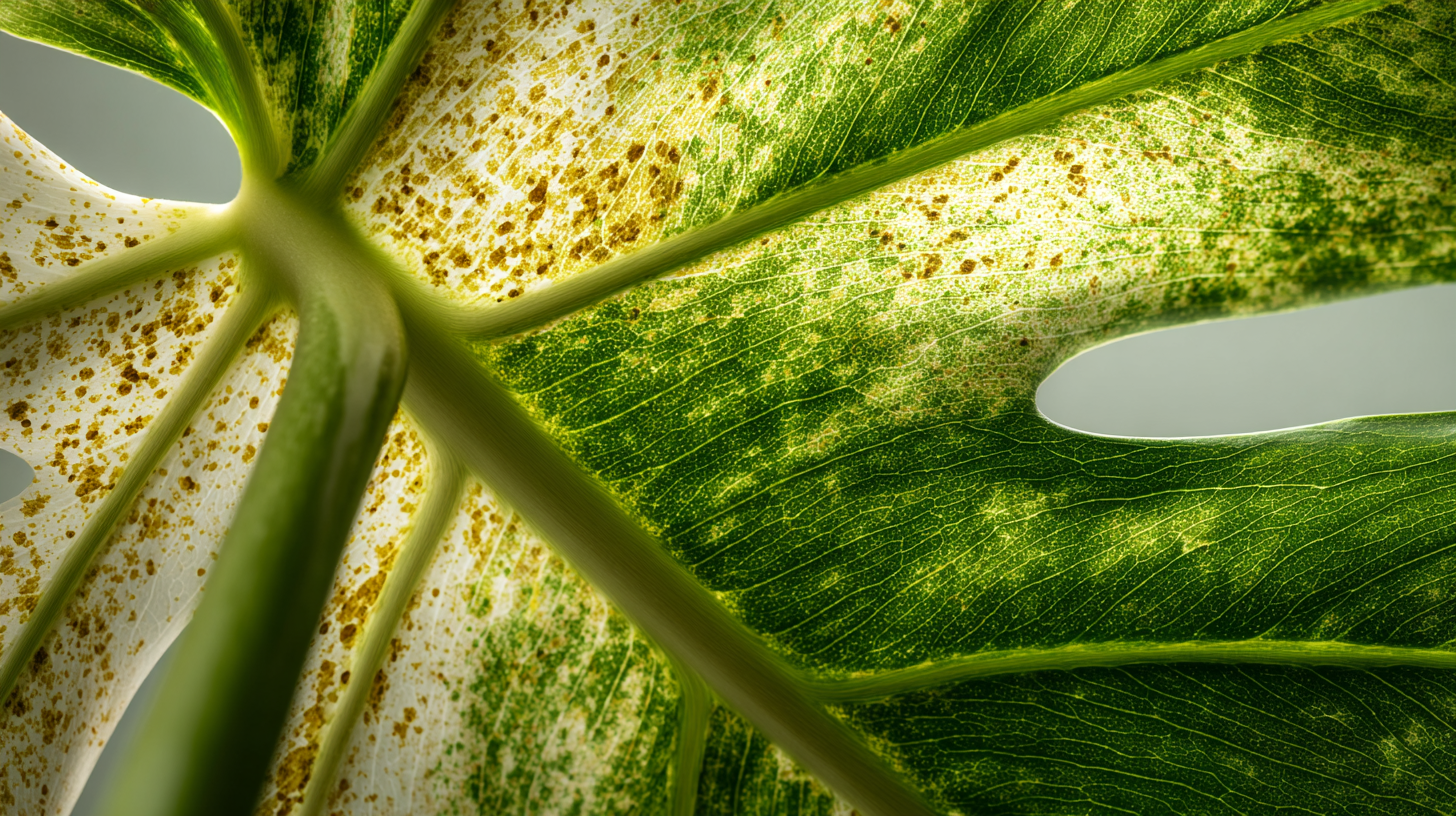
The Monstera Yellow Pattern Decoder
Before you panic and repot everything, look closely at how the yellow is appearing. This pattern is your first and best clue.
1. Yellowing on Old Leaves (Bottom Leaves)
The Pattern: The leaves closest to the soil or the base of the stem turn yellow first. Often, one or two bottom leaves yellow while the rest of the plant looks fine.
Most Likely Causes:
- Natural Aging: Monsteras shed their oldest leaves as they grow new ones. If only the bottom leaf is yellowing and the rest of the plant is vibrant, this is normal.
- Nutrient Deficiency: If it's happening to multiple old leaves, your plant might be running low on nitrogen. This is easily fixed with a balanced fertilizer during the growing season.
- Root Bound Stress: This is a very common Monstera specific issue. If the plant hasn't been repotted in years, the roots are tangled and can't absorb nutrients effectively, causing the oldest leaves to yellow.
2. Yellowing on New Leaves
The Pattern: The unfurling leaves or the newest growth on the vine turn yellow or pale green.
Most Likely Causes:
- Sudden Light Change: If you moved your Monstera to a much darker spot, new leaves may emerge pale and yellow before adjusting.
- Root Problems: Root rot or shock from repotting can prevent the plant from supporting new growth.
- Calcium/Magnesium Deficiency: Monsteras need these micronutrients for structural growth. Without them, new leaves can come in distorted or yellow.
3. Yellowing from Edges (Marginal Yellowing)
The Pattern: The edges of the leaves turn yellow or brown while the center remains green.
Most Likely Causes:
- Water Quality: Tap water with high fluoride or chlorine can burn leaf edges over time.
- Root Bound: As roots get cramped, they struggle to uptake water and nutrients, often showing stress at the edges first.
- Low Humidity: While Monsteras tolerate average home humidity, very dry air can crisp and yellow the edges.
4. Full Leaf Yellowing (Entire Leaf Turns Yellow)
The Pattern: A leaf turns completely yellow, often soft or mushy, or drops off easily.
Most Likely Causes:
- Overwatering: This is the number one killer. Soggy soil suffocates roots, leading to rot that turns leaves yellow rapidly.
- Root Rot: Often a result of overwatering. If the roots are brown and mushy, the leaves will reflect that decay.
- Severe Underwatering: Paradoxically, if a plant is severely dehydrated, it may yellow and drop leaves to conserve energy.
📏 Know Exactly When to Water
Stop guessing—these moisture meters take the guesswork out of watering:
*As an Amazon Associate, we earn from qualifying purchases.
5. Variegated Leaves Turning Yellow (Albo Variegata)
The Pattern: The white parts of the leaf turn yellow or translucent/rotting.
Most Likely Causes:
- Sunburn: Variegated leaves have less chlorophyll and are much more sensitive to direct sun. The white areas scorch easily.
- Variegation Stress: Some Albo variants are unstable. Changes in light or water can cause them to revert or yellow.
- Overwatering: White tissue is weaker and rots faster than green tissue.
Monstera-Specific Causes
Monsteras are climbers. Their needs differ significantly from a pothos or snake plant.
The Root Bound Crisis
Monsteras are vigorous growers. If you bought a "baby" Monstera two years ago, it's likely strangling itself in its pot.
- Signs: Roots circling the outside of the pot, water running straight through the pot without absorbing, leaves yellowing despite regular watering.
- Solution: Check the drainage holes. If you see roots poking out, it's time to size up.
Pot Size & Soil
Monsteras like to be snug but not suffocated. Use a well-draining Aroid mix (orchid bark, perlite, coco coir).
- Tip: Don't jump up too many pot sizes at once. Moving a root-bound plant into a massive pot can lead to overwatering issues because the soil takes too long to dry out.
Variegation Stress (For Albo & Thai Constellation)
Variegated Monsteras are divas.
- The Issue: The white parts of the leaf have no chlorophyll to photosynthesize. If the plant is stressed, it often sacrifices the white leaves or turns them yellow first.
- Prevention: Keep them slightly brighter than a standard Monstera, but watch for leaf burn. Be very careful with watering; the white tissue rots easily.
How to Fix It: A Quick Action Plan
- Identify the Pattern: Use the decoder above.
- Check the Soil: Is it soggy or bone dry?
- Inspect the Roots: Gently remove the plant (being careful of aerial roots) and check for brown, mushy roots. Healthy roots are white and firm.
- Adjust Care:
- Overwatered? Let it dry out completely. Consider a soil change if rot is present.
- Underwatered? Water thoroughly, ensuring water drains from the bottom.
- Root Bound? Repot into a pot 1-2 inches larger with fresh aroid mix.
Related Articles: