How to Treat Root Rot
Discovered mushy stems or a rotten smell? Learn how to diagnose and treat root rot.
Spotting the Problem
Root rot is the silent killer of houseplants. It's a condition where the roots decay, usually caused by overwatering or poor drainage. Because it happens below the soil line, it often goes unnoticed until the damage is severe.
The key symptoms to watch for include:
- Mushy, dark stems near the base of the plant.
- A foul, rotten smell coming from the soil.
- Leaves that turn yellow or brown and drop off, even though the soil is wet.
- Wilting leaves despite the soil feeling damp (a classic sign that the roots are too damaged to uptake water).
If you notice these signs, it's time to act fast.
Why Does It Happen?
Root rot is primarily caused by:
- Overwatering: Giving plants water more frequently than they can use it.
- Poor Drainage: Soil that stays waterlogged or pots without drainage holes.
- Compacted Soil: Soil that has become too dense, suffocating the roots.
One early sign of overwatering can be crispy leaf edges — if your plant is showing this symptom, check out our calathea crispy edges guide for humidity and watering adjustments that can help.
How to Treat Root Rot
Root rot doesn't have to be a death sentence. If you catch it early, you can save your plant. Here is a step-by-step guide to treatment.
Step 1: Unpot the Plant
Carefully remove your plant from its pot. Shake off as much of the old, wet soil as possible. Be gentle—you want to avoid breaking healthy roots, but don't be afraid to get your hands dirty.
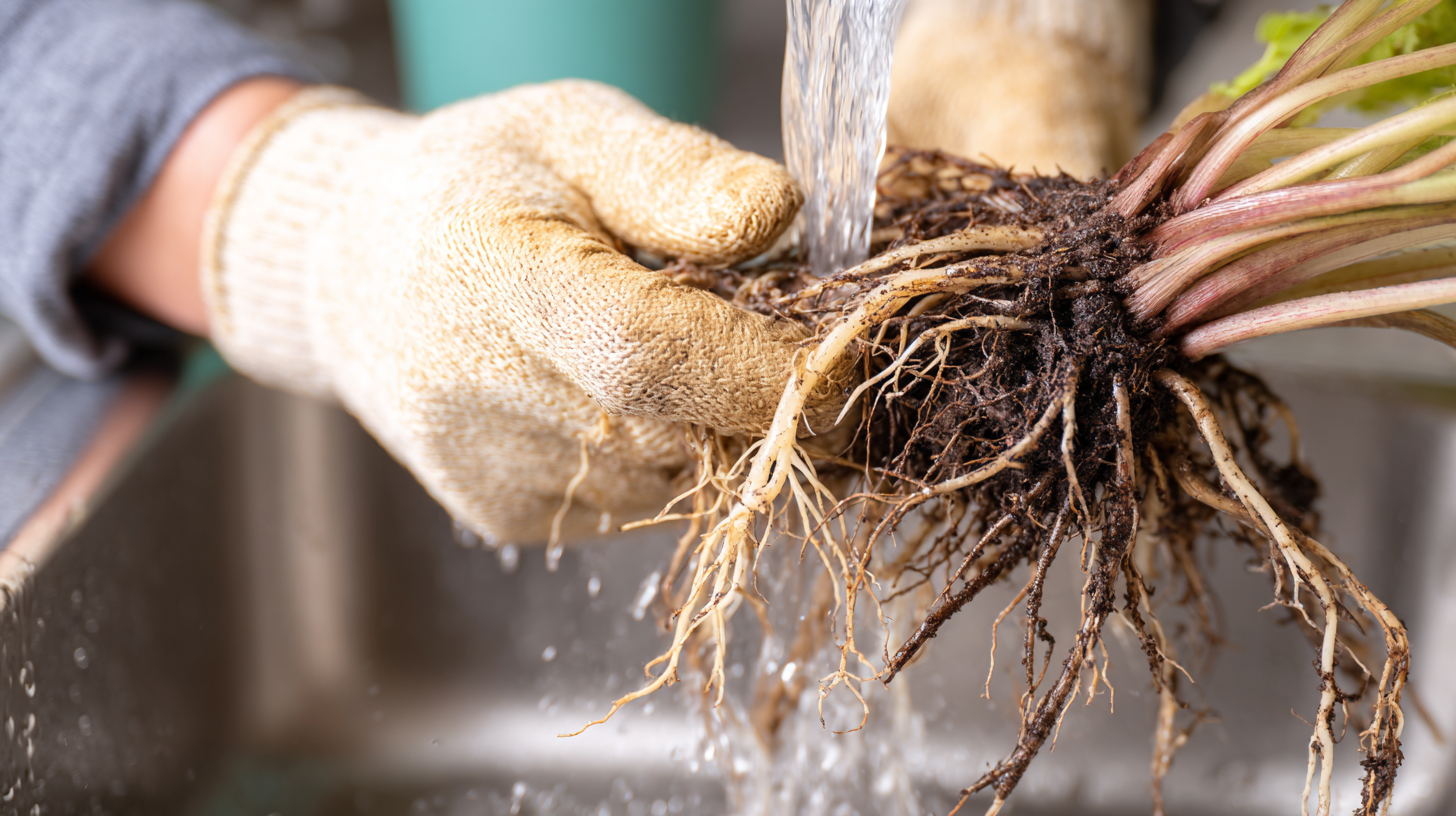
Step 2: Rinse and Inspect
Rinse the root ball under lukewarm running water to wash away the remaining soil. This allows you to clearly see the roots.
- Healthy roots are firm and usually white or light tan.
- Rotting roots are slimy, mushy, and dark brown or black. They may fall apart easily when touched.
Step 3: Trim the Damage
Using clean, sharp scissors or pruning shears, carefully cut away all the rotting roots. Remove any mushy stems or leaves as well. It's better to be aggressive here—any remaining rot will spread and kill the plant.
Step 4: Let It Dry
Place the plant on a paper towel or a dry surface in a cool, shaded area for several hours (or even overnight). This gives the remaining roots and stem time to dry out and callus over, reducing the risk of re-infection.
Step 5: Repot with Fresh Soil
Prepare a pot with excellent drainage. If you're reusing the old pot, clean it thoroughly with a bleach solution. Use fresh, well-draining soil—typically a mix of potting soil with perlite, orchid bark, or pumice to increase airflow.
🌱 Set Your Plants Up for Success
Great plants start with great soil. Here are our go-to mixes and amendments:
*As an Amazon Associate, we earn from qualifying purchases.
Plant your specimen at the same soil level as before. Water sparingly.
The Prognosis
Recovery depends on how much of the root system survived.
- Excellent: If you caught it early and there are still plenty of healthy, firm roots, your plant should bounce back within a few weeks.
- Guarded: If you had to remove more than half the roots, the plant is stressed. It may take months to recover, or it may not make it. Keep it in low light and humidity (like a loose plastic bag) to reduce stress while it regrows roots.
- Propagation: If the stem is still mushy but you have healthy leaf cuttings, consider propagating those instead to save the genetics.
Prevention
- Water with purpose: Only water when the top inch of soil is dry. Our watering guide teaches you how to check soil moisture properly.
- Feel the soil: Don't just water on a schedule—stick your finger in to check.
- Drainage is key: Always ensure pots have holes in the bottom.
🪴 Upgrade Their Home: Quality Pots & Planters
Drainage holes aren't optional. Give your plants the home they deserve:
*As an Amazon Associate, we earn from qualifying purchases.
- Refresh soil: Repot plants every 18-24 months to prevent soil compaction.
Root rot is a setback, but with quick action and a little patience, your plant can make a full recovery.
Related Articles: