Signs of Overwatering vs Underwatering: Decision Tree
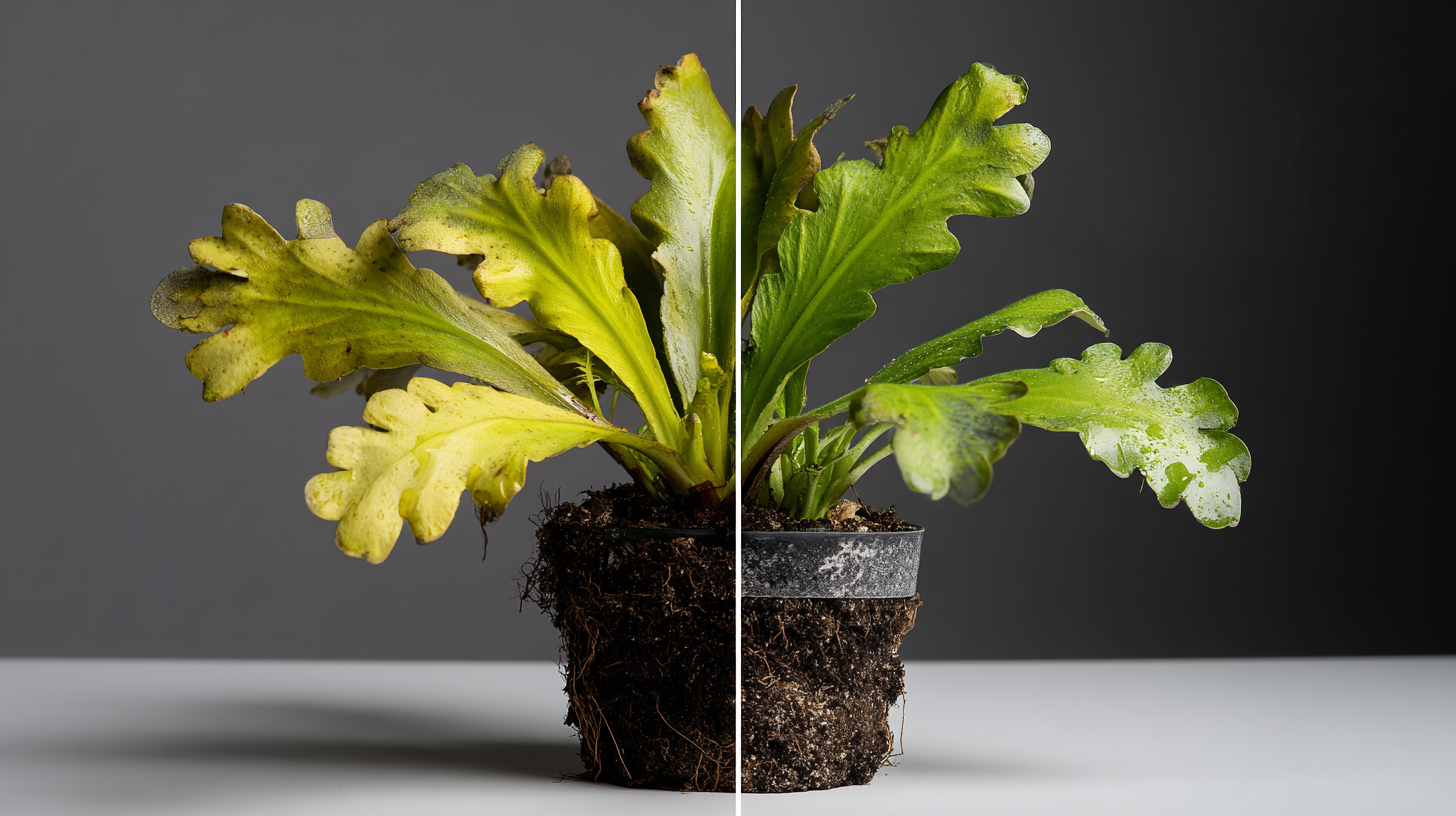
Stop guessing—use this visual decision tree to diagnose your plant's watering issues.
Disclosure: Some links on this page are affiliate links. As an Amazon Associate, we earn from qualifying purchases.
TL;DR: Finger test first: dry soil 1-2 inches down = underwatered; wet soil = overwatered. Yellowing bottom leaves + mushy stems = overwatering. Drooping but crisp leaves = underwatering. Root check is gold standard.
The Diagnostic Workflow
Follow these steps in order. Don't skip ahead!
Step 1: Check the Soil Moisture
This is the single most important step.
- Stick Your Finger In: Go about 1-2 inches deep (up to your second knuckle).
- Does it feel?
- Damp/Cool: Unlikely to be underwatered. Likely Overwatering. (Go to Step 2)
- Bone Dry/Crumbling: Likely Underwatering. (Go to Step 3)
- Saturated/Muddy: Definite Overwatering. (Go to Step 2)
📏 Know Exactly When to Water
Stop guessing—these moisture meters take the guesswork out of watering:
XLUX T10 Soil Moisture Meter
Budget Pick • No Batteries Needed • Instant Reading
View on Amazon →
Sonkir 3-in-1 Soil Meter
Top Pick • Moisture + pH + Light • Best Seller
View on Amazon →
SunJoe 3-in-1 Digital Meter
Premium • Digital Display • Tested by The Spruce
View on Amazon →
*As an Amazon Associate, we earn from qualifying purchases.
Step 2: Signs You Are Overwatering
You've confirmed the soil is wet. Now, look at the leaves and roots.
Leaf Signs:
- Yellowing: Often starts at the bottom or center of the plant. Can be pale or distinct yellow.
- Mushiness: The leaf or stem feels soft, squishy, or limp—even if the soil isn't wet on top.
- Bud Drop: New buds or leaves fall off before opening.
Root Check (The Gold Standard):
- Gently remove the plant from the pot.
- Smell: Does it smell like rot or sewage? (Classic root rot smell).
- Roots: Are they brown, mushy, and slimy? Healthy roots are white and firm.
Diagnosis: OVERWATERING
Action Plan:
- STOP WATERING. Let the soil dry completely.
- Check for Root Rot. If roots are mushy, trim the dead roots and repot into fresh, well-draining soil.
- Ensure your pot has drainage holes.
- Move to a warmer spot with better air circulation.
Step 3: Signs You Are Underwatering
You've confirmed the soil is dry. Now, confirm the diagnosis.
Leaf Signs:
- Drooping/Wilting: The leaves look sad and hang down, but they are crisp to the touch (not mushy).
- Dry Tips: Brown, crispy edges on the leaves.
- Soil Pulling Away: The soil has shrunk away from the sides of the pot.
Root Check:
- Roots are white and dry, potentially brittle.
Diagnosis: UNDERWATERING
Action Plan:
- Soak It: Don't just trickle water. Place the pot in a bowl of water for 20-30 minutes (bottom watering) so the roots can drink from the bottom up.
- Check Frequency: Set a reminder to check the soil every few days.
- Look at the Pot Weight: Get used to lifting the pot when it's dry vs. wet. This is the best way to gauge thirst.
Printable Quick Reference
The "Is My Plant Thirsty?" Checklist
- Finger Test: Is the soil dry 1-2 inches down?
- [ ] NO (It's wet): Do NOT water. Check for yellow/mushy leaves.
- [ ] YES (It's dry): Go to step 2.
- The Droop Test: Are the leaves drooping but crisp?
- [ ] YES: Water immediately. It was thirsty!
- [ ] NO (Leaves are mushy): You might have root rot despite the dry soil on top. Check roots.
- Pot Weight: Does the pot feel unusually light?
- [ ] YES: Needs water.
- [ ] NO: Check again in a few days.
The Grey Area: Wet Feet vs. Dry Air
Sometimes it's not black and white.
- Wet Feet, Dry Leaves: This is often root rot. The roots are drowning, but the leaves look dry because the damaged roots can't uptake water.
- Wet Soil, Drooping Leaves: See above. This is a classic sign of root rot. The plant looks thirsty, but giving it more water will kill it.
Prevention: The Golden Rule
The best way to fix watering issues is to water based on the plant's needs, not a schedule.
- Succulents: Water only when fully dry.
- Tropicals (Monstera, Pothos): Water when the top 1-2 inches are dry.
- Always check drainage: Never let the plant sit in standing water.
Related Articles: