Why Is My Pothos Not Trailing?
Is your Pothos looking more like a bush than a vine? Here's how to fix it.
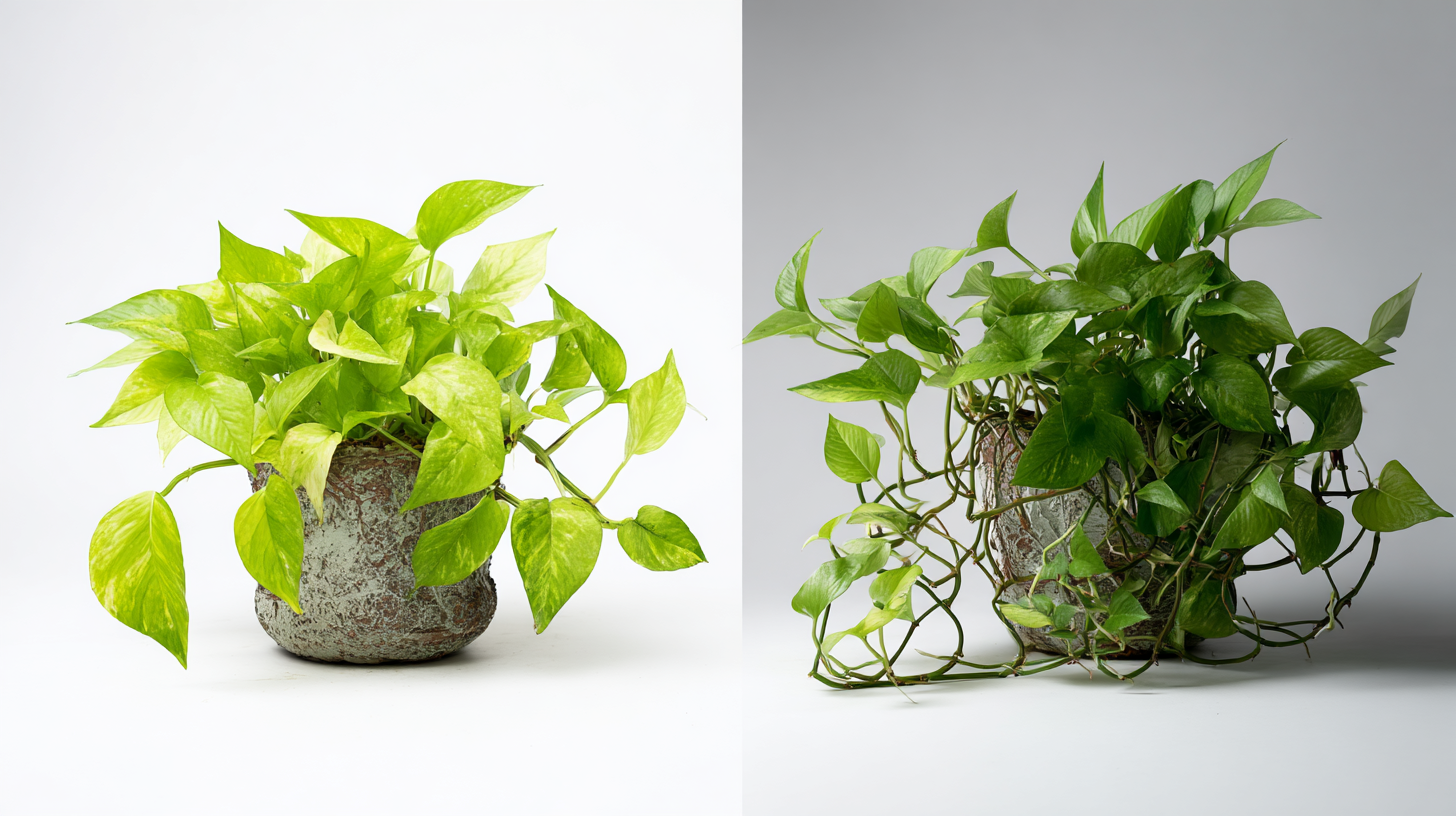
The Pothos Paradox
Pothos (Epipremnum aureum) is famously known as the "beginner plant"—indestructible, fast-growing, and effortless. So why does it sometimes sit there, short and stubby, refusing to trail?
If you're staring at your Pothos wondering why it's more bush than vine, you're not alone. The frustration of a plant that should be trailing but isn't is a common one. The good news? There is almost always a solvable reason. Let's diagnose the issue.
Diagnosis Flow: Where to Start
1. Light Check: The #1 Culprit
Pothos are shade-tolerant, but that doesn't mean they thrive in it. In low light, a Pothos gets conservative. It stops putting energy into long vine growth and instead focuses on keeping its existing leaves alive and compact.
Symptoms:
- Stems are short and close together (leggy).
- New leaves are smaller than old leaves.
- The plant looks dense or "pushed up."
- Variegated varieties (Marble, Golden) lose their white or yellow streaks, turning mostly green.
The Fix: Move your Pothos to a brighter spot. Indirect morning light is ideal. An east-facing window is perfect. If you only have low-light conditions, consider supplementing with a grow light. Pothos need at least moderate, consistent light to put on length.
2. Pruning Check: Are You Cutting It Wrong?
This is the most common mistake new Pothos owners make. People see a long vine, think "it's getting too long," and chop it back drastically. While Pothos can handle hard pruning, if you want length, you have to let the vines grow.
The Fix:
- Let it grow: Stop cutting the tips! The tip of the vine produces the growth hormone that makes the whole vine lengthen.
- Strategic Pruning: If you want a bushier plant, you can pinch or cut the tips. But to encourage trailing, you need to let at least one or two vines grow unimpeded.
- Propagate the trimmings: If you prune, put the cuttings back in the same pot. This fills out the base while allowing the long vines to continue lengthening.
3. Variety Check: Is Your Expectation Realistic?
Not all Pothos grow at the same speed or achieve the same length.
The Slow Growers:
- Jade Pothos: Solid green. Generally slow-growing and stays a bit more compact.
- Cebu Blue: Beautiful blue-green leaves, but it is notoriously slow to put on length compared to Golden Pothos.
The Fast Growers:
- Golden Pothos: The classic. Grows very fast and trails easily.
- Jessenia: Similar growth rate to Marble Queen but usually slightly slower.
The Verdict: If you have a slow-growing variety like Cebu Blue or Jade, be patient. It might simply be doing its best.
4. Age Check: Is It Too Young?
Baby Pothos focus on establishing a root system. Until the roots fill the pot, you won't see explosive top growth.
The Fix: Check the roots. If they are circling the bottom of the pot or coming out of the drainage holes, it's time to repot into a slightly larger container (only 1-2 inches larger in diameter). A root-bound Pothos stops growing.
5. Support Check: Does It Need Help?
While most Pothos trail, some varieties (like certain Epipremnum aureum) will climb if given a surface. However, if your plant is trying to climb and there's nothing there, it might get confused.
The Fix: If you want it to trail, ensure there is nothing for it to grab onto (like a nearby shelf or wall) that might encourage it to climb instead.
Quick Fix Checklist
If you want a long-trailing Pothos, follow these rules:
- ☀️ Bright Indirect Light: Essential for growth.
- ✂️ Don't Chop the Tips: Let them grow to encourage length.
- 💧 Water When Top 50% is Dry: Overwatering stunts growth; underwatering stresses the plant.
- 🪴 Repot When Root Bound: Plants can't grow tall if their feet are cramped.
- 🌱 Fertilize Monthly (Spring/Summer): A balanced houseplant fertilizer boosts growth during the active season.
🌱 Set Your Plants Up for Success
Great plants start with great soil. Here are our go-to mixes and amendments:
*As an Amazon Associate, we earn from qualifying purchases.
When to Worry
If the stems are turning black, mushy, or the leaves are yellowing and dropping, you have a health issue (usually root rot from overwatering). Stunted growth is a symptom of stress, but rotting stems indicate a disease that needs immediate attention.
Related Articles: