Winter Houseplant Care Checklist: Keep Plants Alive Through Cold Months
Winter is the season that murders houseplants. Between the nonexistent daylight, your furnace turning the air into a desert, and cold drafts from every window, it's a miracle any of them survive until March. But here's the thing—winter plant care isn't mysterious. Your plants aren't dying; they're napping. Your job is to not make things worse while they rest. This month-by-month checklist tells you exactly what to do (and what NOT to do) from now through spring.
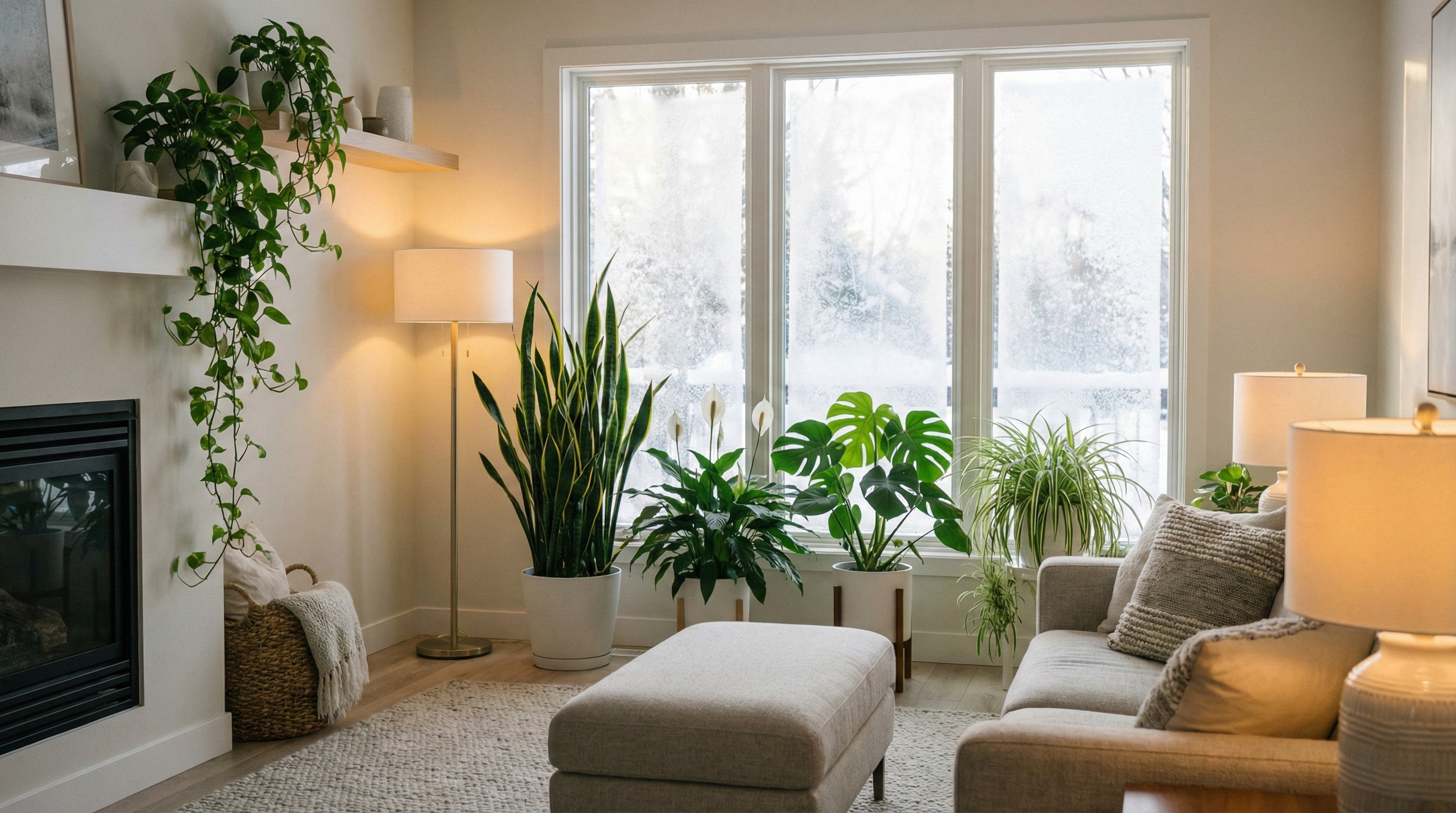
This checklist covers everything from October prep through March awakening, with actual checkboxes you can use. Save this page and come back each month.
Before Winter Hits: October Prep
Let's be real—waiting until December to think about winter plant care is like waiting until you're sick to start eating healthy. A little prep in October makes everything easier when the cold actually hits.
Quick prep checklist:
- [ ] Inspect every plant for pests before heating season starts (spider mites love the dry forced-air environment you're about to create)
- [ ] Clean leaves with a damp cloth—dust blocks what little winter light your plants get
- [ ] Move plants closer to windows while temperatures are still mild (they'll need all the light they can get)
- [ ] Take "before" photos so you can compare when spring arrives and panic about whether that leaf loss was normal
November: Early Winter Transition
November is the polite transition nobody told you about. Your plants are slowly winding down, and your watering habits should be too. The mistake most people make? Still watering on their summer schedule while their plant's metabolism has already shifted into low gear.
November checklist:
- [ ] Reduce watering frequency by 25-50%—most plants need half the water they did in summer
- [ ] Check for drafts near windows and doors (your plant doesn't appreciate a cold breeze any more than you do)
- [ ] Group plants together to create a microclimate with slightly higher humidity
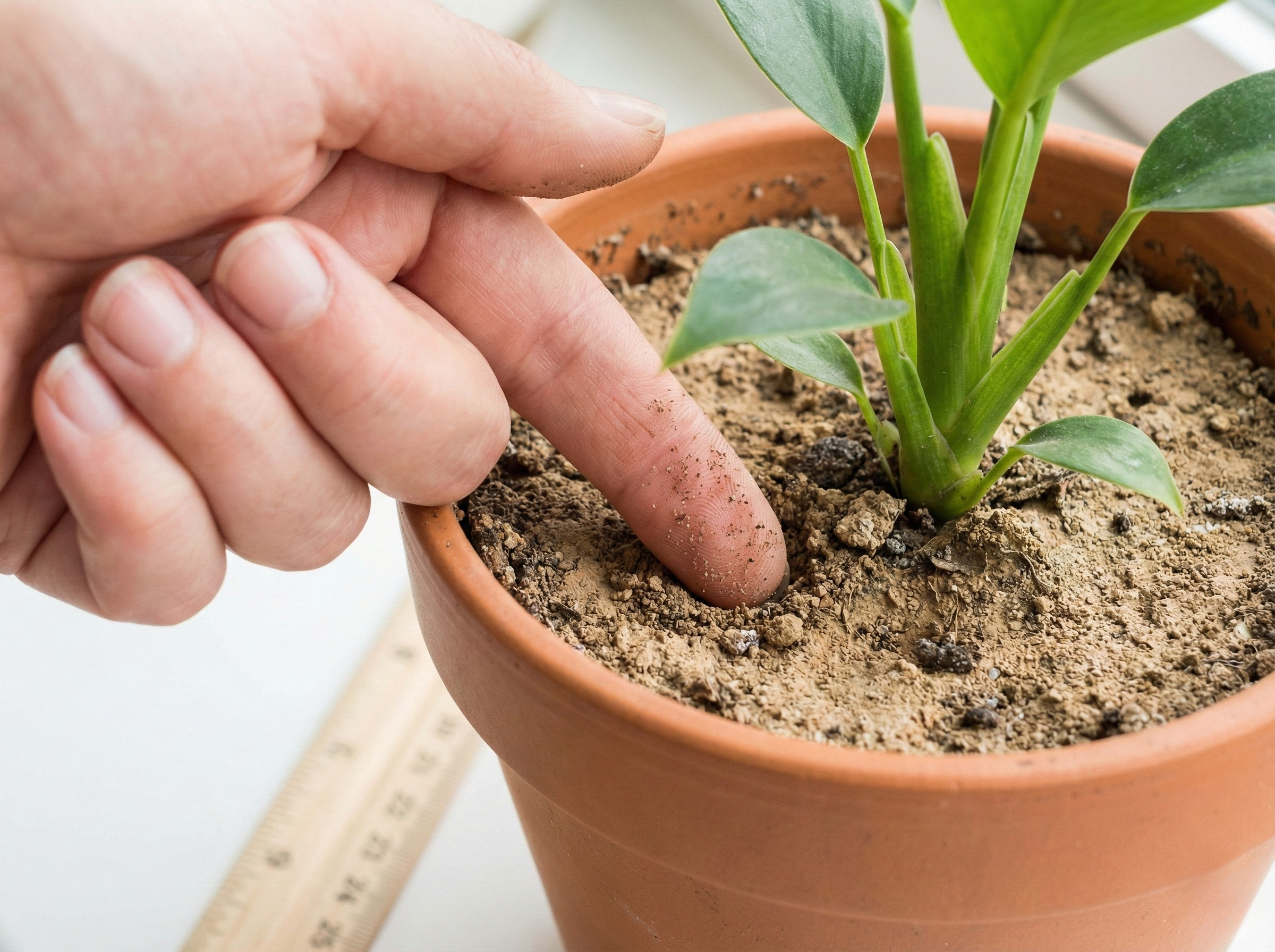
- [ ] Start testing soil moisture with your finger instead of watering on a schedule—soil dries way slower when it's 55°F inside
- [ ] Clean leaves again because dust accumulates faster than you'd think
- [ ] Move plants closer to south-facing windows if you have them
Why it matters: Plants are entering their transition phase. Less light = slower growth = less water demand. Miss this shift and you'll be dealing with overwatering vs. underwatering issues by December.
December: Deep Winter Begins
Welcome to the desert season. Your furnace is running, the air is drier than a popcorn stand at a movie theater, and your tropical plants are throwing a silent tantrum. December is when the real winter challenges kick in—shortest days, heating systems working overtime, and spider mites breeding like it's their job (because it kind of is).
December checklist:
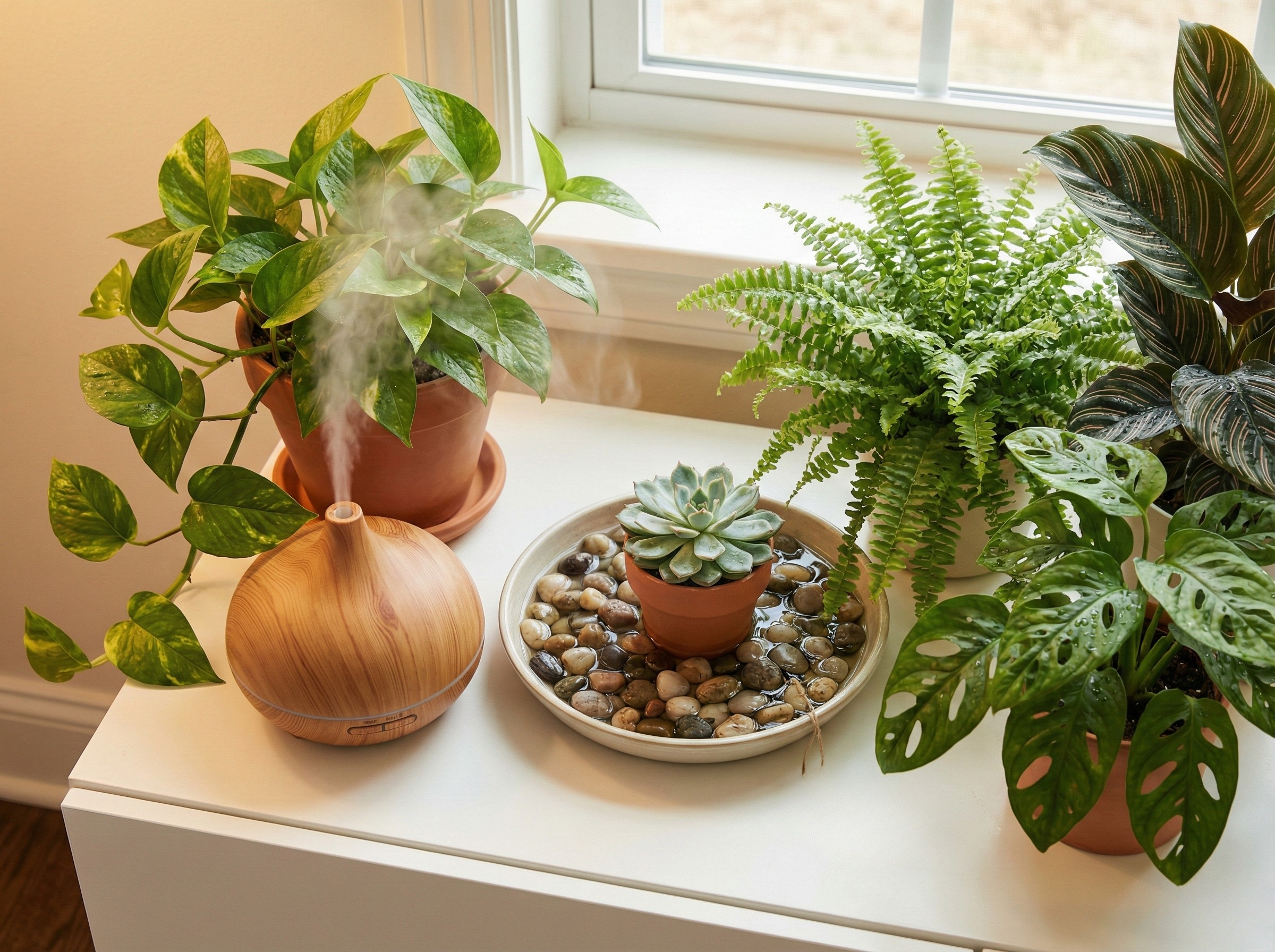
- [ ] Boost humidity—this means actual solutions like humidifiers, pebble trays, or grouping plants, not misting (misting does literally nothing useful)
- [ ] Stop fertilizing completely unless you're running grow lights 12+ hours a day
- [ ] Inspect weekly for spider mites—they thrive in dry indoor air and will wreck your plants before you notice
- [ ] Keep plants at least 2 feet away from heat vents and radiators (your plant is not a steak; it doesn't want to be dried out)
- [ ] Wipe dust from leaves every week—dust blocks photosynthesis and invites pests
- [ ] Finger test soil 2 inches deep before watering (not just the surface)
- [ ] Don't move plants around for holiday decorations—they're already stressed
Plant-specific reality check: Calatheas, ferns, and other drama queens need 50%+ humidity to look decent. Succulents and snake plants? Couldn't care less about humidity. Know which category your plants fall into.
Common mistake: Misting leaves like it does something. It doesn't. You're just making the surface wet for 5 minutes while the air around the plant remains bone-dry. If you want real humidity, fix your brown tips by addressing the actual problem.
🌫️ Give Your Calathea the Humidity It Craves
Want to give your calathea the humidity it craves? Here are our tested humidifiers that keep tropical plants happy:
*As an Amazon Associate, we earn from qualifying purchases.
January: Survival Mode
January is the cold, dark month where your plants are essentially napping. They're not growing (unless you have grow lights), they're not needing water, and any intervention you do is likely to make things worse. This is the month of minimal disturbance—your job is to not kill them, not to help them thrive.
January checklist:
- [ ] Water only when soil is dry 2-3 inches down (your plant would rather be a little dry than drowning)
- [ ] Rotate plants 90 degrees weekly so they don't lean toward the light like weird phototropic weirdos
- [ ] Watch for fungus gnats—they're the telltale sign you're overwatering
- [ ] Keep nighttime temperatures above 55°F (13°C) for tropical plants
- [ ] Resist every urge to fertilize or repot a struggling plant—it's not helping, it's making it worse
- [ ] Check windowsills at night—those areas can be 10-15°F colder than the rest of the room
- [ ] Maintain your December humidity efforts because January air is somehow even drier
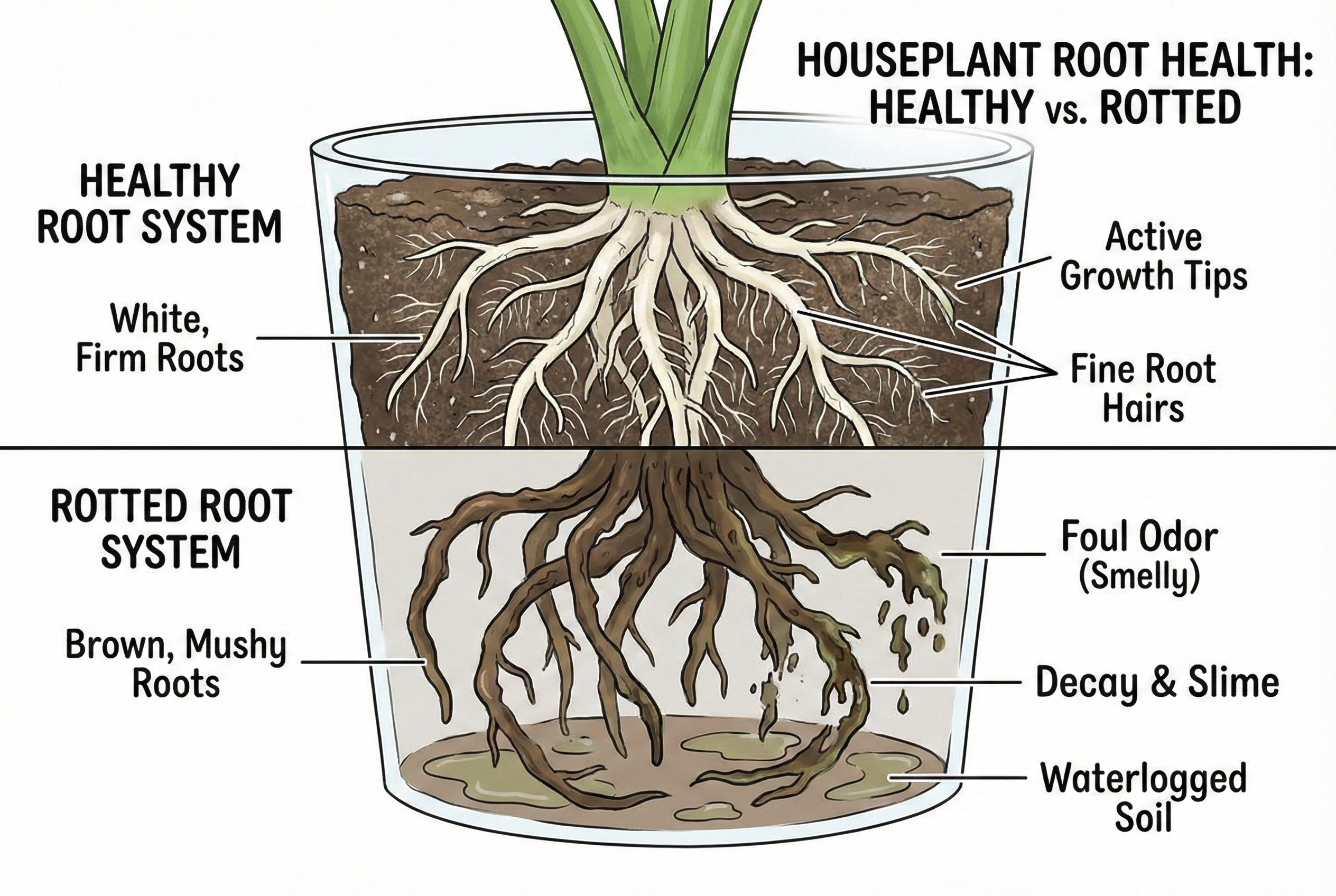
Dormant vs. dying—this is important: If your plant has no new growth but stems are firm and leaves aren't dropping like confetti, it's dormant. If stems are mushy, leaves are yellowing or falling off, or roots smell like rot, that's a problem. Learn the difference before you panic-repot something that's just taking a winter nap.
If your plant is dropping leaves and you're not sure why, check our guide on leaves falling off before you assume the worst.
February: The Waiting Game
February is the month that tests your patience. The days are getting longer (barely), but winter isn't done with you yet. Your plants know spring is coming before you do—they can sense the increasing light even through your drafty windows. But don't get ahead of yourself. Jumping the gun on spring care is a rookie mistake.
February checklist:
- [ ] Continue minimal watering—plants still don't need much
- [ ] Clean leaves in preparation for increased light exposure
- [ ] Keep monitoring for pests (they don't take winter vacations)
- [ ] Plan your spring repotting strategy but don't do it yet
- [ ] Late February: start watching for new growth—that's your signal
- [ ] Gradually increase watering only if you see actual new leaves
The truth about "zero growth" plants: Snake plants, ZZ plants, and succulents might show absolutely zero signs of life all winter. This is normal. They're not dead. They're just waiting. A snake plant that produces zero new leaves from November to March is doing exactly what it's supposed to do.
March: Spring Awakening
March is the light at the end of the winter tunnel. Your plants are waking up, and it's time to slowly transition them back to their spring and summer routines. The key word here is "gradually"—shocking your plants with sudden changes in water, fertilizer, or light is how you kill a plant that survived five months of winter perfectly fine.
March checklist:
- [ ] Gradually increase watering as growth resumes (over 2-3 weeks, not overnight)
- [ ] Resume fertilizing at half-strength, then work up to full strength
- [ ] Move plants back to their optimal light positions—they can handle more now
- [ ] Inspect roots if repotting is on the agenda (wait for consistent new growth first)
- [ ] Prune any dead or damaged growth from the winter season
- [ ] Check for pests before even thinking about moving plants outdoors
- [ ] Transition back to your regular care schedule
Spring transition tips that save plants:
Increase watering gradually over 2-3 weeks, not all at once. Your plant's roots need time to wake up and start absorbing water again.
Wait until you see at least 2-3 new leaves before repotting. If you repot too early and the plant isn't actively growing, you're just putting it in fresh soil to sit dormant in it—which is a great way to deal with root rot issues.
Don't put plants outdoors until nighttime temperatures consistently stay above 50°F. One frosty night will undo five months of careful winter care.
Winter Houseplant Care FAQs
Should I use a humidifier for my plants in winter?
Yes, if you have tropical plants (Calathea, ferns, prayer plants). Target 40-50% indoor humidity. Pebble trays and grouping plants together also help create microclimates. Succulents and cacti don't care about humidity at all.
How often should I water houseplants in winter?
No set schedule exists. Water when the top 2-3 inches of soil are dry. For most plants, this means 50-75% less frequent than summer. The finger test is your best friend from November through March.
Do I need grow lights for winter?
Only if your plants are light-hungry (succulents, African violets, citrus) and your home is particularly dim. Most tropical plants tolerate lower winter light just fine. If your plant is stretching dramatically toward the light, that's a sign it needs supplemental lighting.
Why are my plants dropping leaves in winter?
Common causes: temperature fluctuations, cold drafts, overwatering, or natural dormancy. Check your environment before panicking. A few leaves dropping on a otherwise healthy plant is usually just adjustment stress.
Can I propagate plants in winter?
You can, but success rates are lower. Wait until spring for best propagation results.
My plant isn't growing—is it dead?
Probably not. Most plants go dormant or significantly slow growth in winter. Check stems (should be firm) and roots (should be white or tan, not mushy or smelly). If those are fine, your plant is just napping.
Should I repot my plants in winter?
Absolutely not, unless there's an emergency like root rot or the pot literally broke. Winter repotting adds stress when your plant is already conserving energy. Wait until you see consistent new growth in spring.
What's the deal with yellow leaves in winter?
A few yellow leaves can be normal adjustment stress. Widespread yellowing usually means either overwatering (most common in winter) or cold damage from drafts. Check your watering schedule and inspect for cold spots near windows.
How do I know if my plant needs more light in winter?
Signs of insufficient light: leaves turning darker green than usual, new growth coming in smaller, plants stretching or leaning toward windows, or the dreaded "etiolation" (long spaces between leaves on stems). If you see these signs, move plants closer to windows or invest in grow lights.
Can I bring my outdoor plants inside for winter?
Yes, but quarantine them first for 2-3 weeks. Outdoor plants come with uninvited guests—pests and diseases you don't want spreading to your indoor collection. Inspect thoroughly before bringing them in.
Key Takeaways
Winter houseplant care isn't complicated—it's just different. Your plants aren't dying; they're resting. Your job is to provide less water, maintain actual humidity (not misting, we literally just covered this), keep them away from heat vents, and resist the urge to fuss with them.
The checklist approach works because each month has different needs. November means reducing water. December means managing humidity. January means minimal intervention. February means patience. March means gradual transition back to regular care.
Bookmark this page. Set monthly reminders. Your plants will thank you by not dying.
Struggling with a specific winter problem? Check out our guides on brown tips, overwatering issues, leaves falling off, and treating root rot for more targeted help.