Tradescantia Care Guide: How to Grow, Propagate & Keep Those Stripes
The fast-growing trailing plant that'll fill your home with color in weeks
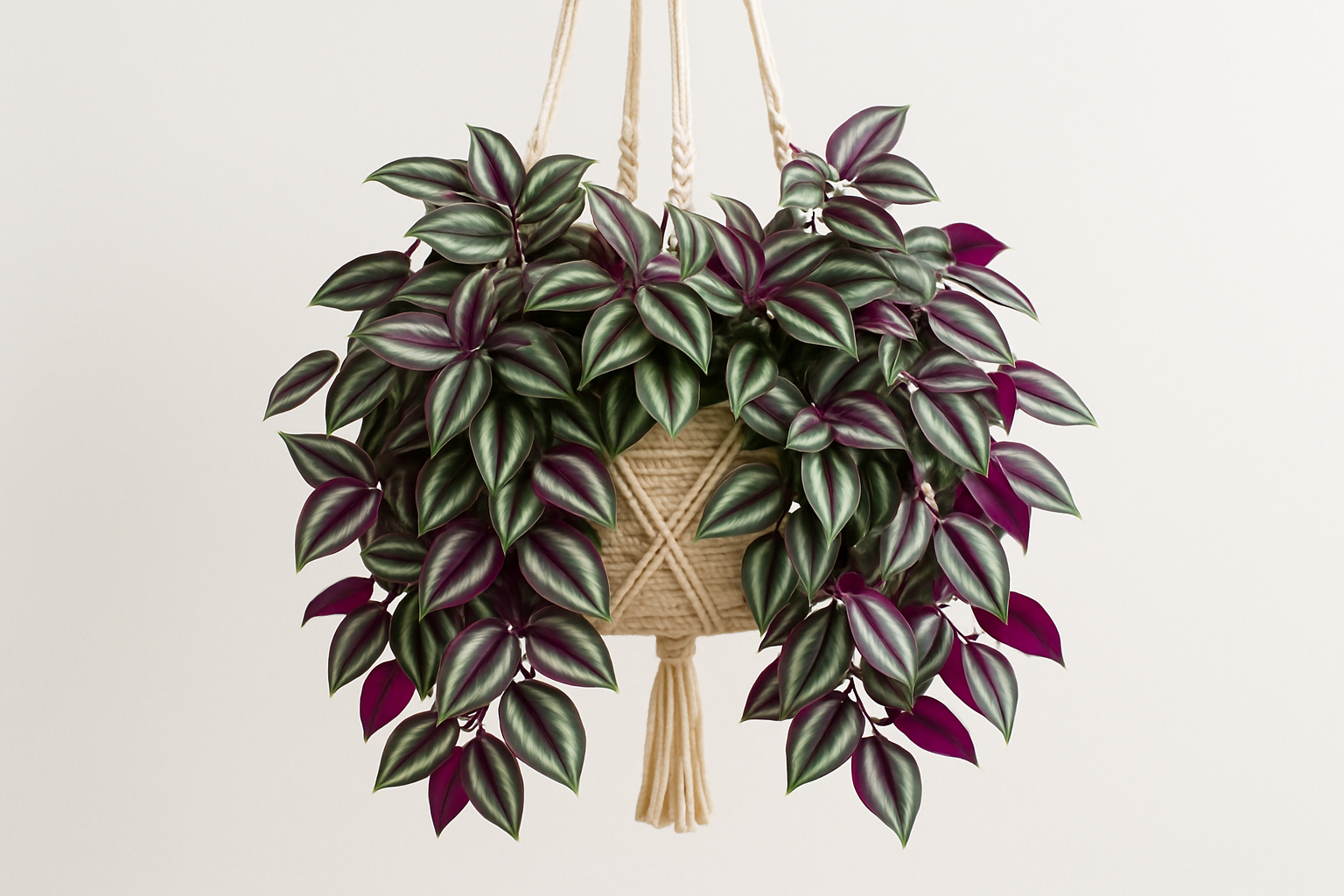
Meet the Tradescantia: The Fast-Growing Plant That Trails Everything
Tradescantia is the houseplant equivalent of that friend who texts back in seconds, shows up with extras, and.multiplies. Native to Central America and Mexico, it's earned a handful of nicknames — Wandering Jew, Wandering Dude, Inch Plant — and honestly, the plant doesn't care what you call it as long as you give it what it needs.
What makes it special: iridescent striped leaves, purple undersides, and growth fast enough that you'll be handing out cuttings to everyone you know within a couple months. It trails. It cascades. It fills a shelf or hanging planter fast.
The most common species is Tradescantia zebrina — the one with the silver and purple stripes. But there's also Nanouk (pink, white, and green variegation), Fluminensis (solid green, the quiet member of the family), and others worth knowing about.
The Color Decoder: Why Your Tradescantia Is Losing Its Stripes
Here's the thing no one else explains properly: your tradescantia's colors are a diagnostic tool. Watch the leaves, and they'll tell you exactly what's wrong.
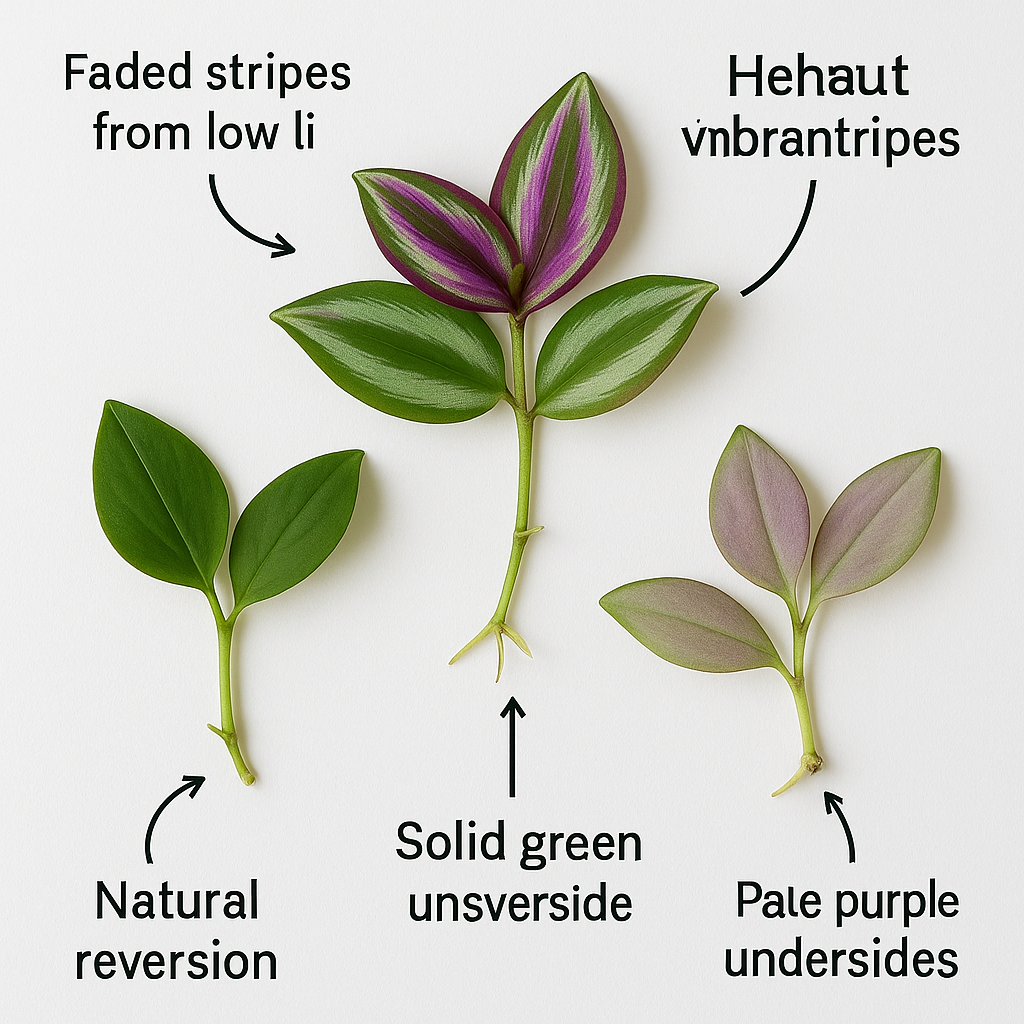
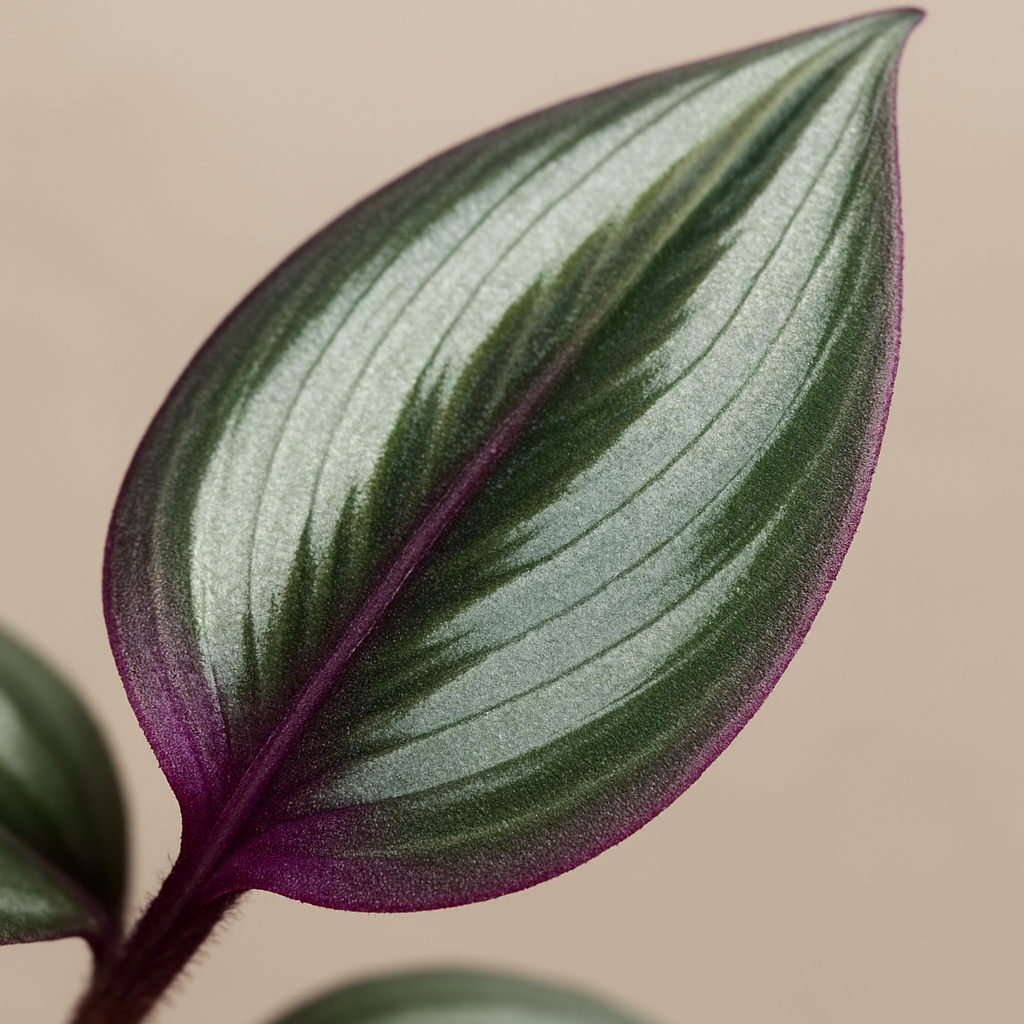
Stripes fading to solid silver or green = not enough light. This is the #1 complaint about tradescantia, and it's almost always a light issue. The plant is literally losing its pattern because it can't sustain it in low light. Move it closer to a window.
Solid green patches appearing on variegated leaves = natural reversion. Some varieties, especially Nanouk, show solid green sections as they grow. This isn't a problem — it's just the plant being itself. You can prune those sections off if the look bothers you.
Purple undersides fading to pale or brown = too much direct afternoon sun. Morning sun is fine. Hot afternoon direct sun bleaches the purple out and can burn the leaves. If your plant is sitting in harsh sun, move it back.
Streaks and patches of pale yellow = inconsistent watering or nutrient issues. Usually shows up after you've been neglecting the watering schedule or the plant has been in the same soil for a year or more.
Knowing what your plant is "saying" through its colors means you can fix the actual problem instead of guessing. This is the part of tradescantia care that most guides completely skip.
Light: The #1 Thing That Makes or Breaks Your Tradescantia
Bright indirect light is the sweet spot. An east-facing window is gold — morning sun is gentle and enough to keep those stripes vivid. A few feet back from a south or west window works too, as long as it's getting good ambient light.
What happens in different conditions:
- Low light: Leggy growth, no purple coloring, stripes fade or disappear entirely, the plant stretches toward whatever light it can find
- Bright indirect: Compact growth, vibrant purple undersides, clear silver stripes on top, the plant stays full
- Too much direct afternoon sun: Leaf burn, bleached patches, purple fading to pale
If your place is dark, a clip-on grow light for your tradescantia is a genuinely useful fix. A few hours of supplemental light a day will bring those stripes back in weeks.
Watering Tradescantia: Let It Dry, But Not Too Long
Let the top 1-2 inches of soil dry out between waterings. That's the rule. Stick your finger in. If it's dry past your first knuckle, water. If it's still damp, wait.
Yellow leaves = overwatering. The classic sign. Ease up, let it dry more between waterings, and make sure your pot has drainage holes. If the soil stays wet for more than a week after watering, you've got a drainage problem — tradescantia is not a swamp plant.
Brown crispy leaf edges = underwatering. The plant is stressed and thirsty. Give it a thorough watering and set a reminder to check on it sooner next time.
Drooping = could be either. Check the soil. Wet and drooping means overwatering and possible root issues. Dry and drooping means it needs water, stat.
Tradescantia stores water in its thick stems, so it's more forgiving of occasional drought than constant moisture. The goal is consistent moisture — damp, not soggy, drying out between waterings.
Soil Mix: Well-Draining Is Non-Negotiable
Standard indoor potting mix with perlite mixed in (about 1/3 perlite to 2/3 potting mix) is perfect. You want something that holds some moisture but drains fast — tradescantia roots need oxygen, and sitting in waterlogged soil leads to root rot fast.
Don't use straight garden soil or anything heavy. And skip the fancy "moisture-retaining" mixes — they'll stay too wet.
If you want a pre-mixed option that works well, Bonsai Jack Succulent and Cactus Soil is a solid choice — it's fast-draining and takes the guesswork out of the mix.
Tradescantia also likes being slightly root-bound. Don't rush to pot up — once a year or so is plenty. When you do repot, go only one pot size up.
Temperature & Humidity: Average House Conditions Are Fine
55-75°F (13-24°C) is the comfortable range. Your normal house temperature is probably already perfect.
Humidity? Don't overthink it. Average household humidity is fine. Tradscantia isn't a tropical diva — it's pretty chill about indoor conditions. If the air is very dry (winter heating, desert climates), the occasional light misting helps, but it's not required.
Keep it away from cold drafts in winter — that includes near doors that open frequently in cold weather. A sudden cold snap won't kill it immediately, but it'll drop leaves and look unhappy fast.
Feeding: During spring and summer, give it a half-strength balanced fertilizer like Dyna-Gro Foliage Pro once a month. Stop in fall and winter when growth slows. Fast grower, but not a heavy feeder — too much fertilizer causes salt buildup and crispy edges.
Pruning for Fullness: Be Mean, Get Full
This is the part of tradescantia care that most guides completely fail at. They say "pinch it to encourage bushier growth" and leave it at that. Here's what that actually means:
Where to cut: Look at the stem. You'll see small bumps along the vine — those are nodes. That's where leaves and roots grow from. Cut about 1/4 inch above a node, leaving 2-3 nodes on the stem behind the cut.
How much to cut: If your tradescantia is leggy (long bare stems with leaves only at the ends), don't be gentle. Cut stems back by half. The plant will branch from that node and come back fuller than before.
How often: Every few weeks during the growing season. This keeps it dense and full instead of long and stringy.
The tool: Use Fiskars Micro-Tip Pruning Snips — clean, precise, and small enough to get right up to the node without mangling the stem.
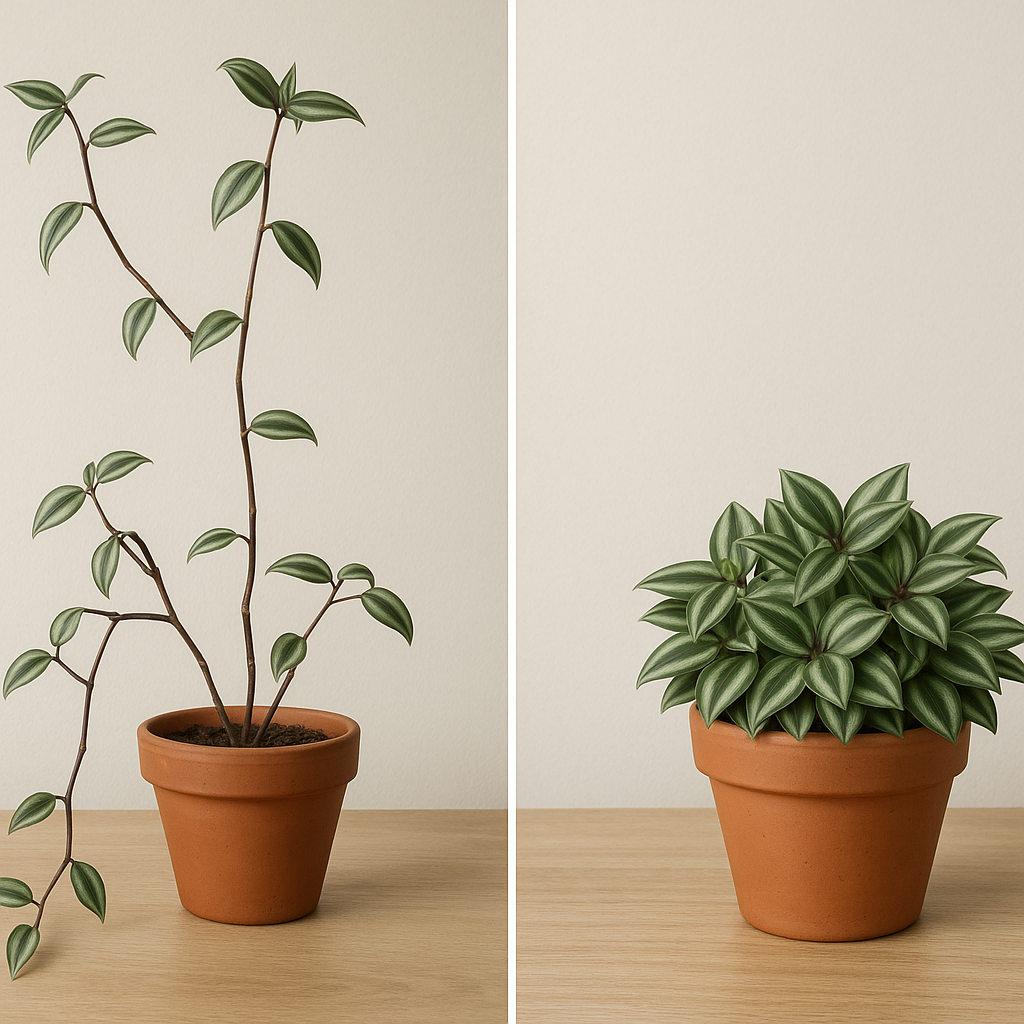
After pruning, your tradescantia is primed to cascade beautifully from a macramé hanger or a high shelf. The goal is full and lush, not long and trailing — at least until you've got the fullness you want.
What to Do With Your Cuttings
Don't throw them away. This is where tradescantia pays you back for the pruning.
Propagate Tradescantia: Cut, Stick, Done
Tradescantia roots in 1-2 days in water. This is the fastest propagation in the houseplant world, and it barely requires effort.
Step 1: Take a cutting. Find a stem with 2-3 nodes. Cut just below a node. Strip the leaves from the bottom node(s) — those are what will go underwater.
Step 2: Put it in water. A clear glass jar works best — you can watch the roots develop. Submerge at least one node in water. Change the water every few days.
Step 3: Wait. Roots appear in 1-2 days. Within a week, you'll have a healthy root system. Pot it up when roots are about an inch long.
Step 4: Pot up. Standard well-draining potting mix. Keep it lightly moist for the first week or two while the roots adjust from water to soil.
That's it. You now have another tradescantia. You'll have more cuttings than you know what to do with — share them with friends, fill your own shelves, or trade them.
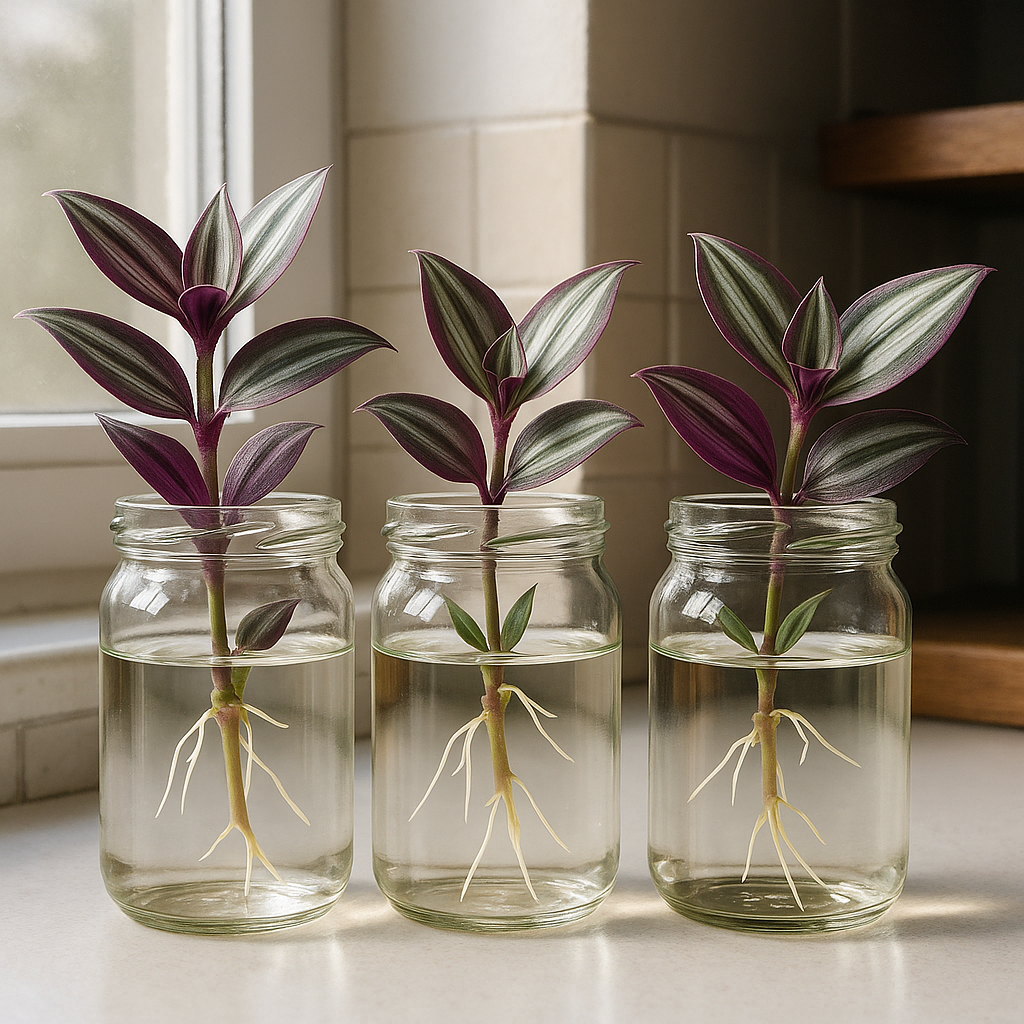
Soil propagation also works — stick the cutting directly into moist potting mix and keep it humid. Same success rate, slightly slower. For more detail on propagation methods in general, see our general propagation guide.
Tradescantia Varieties: Zebrina vs Nanouk vs Fluminensis vs More
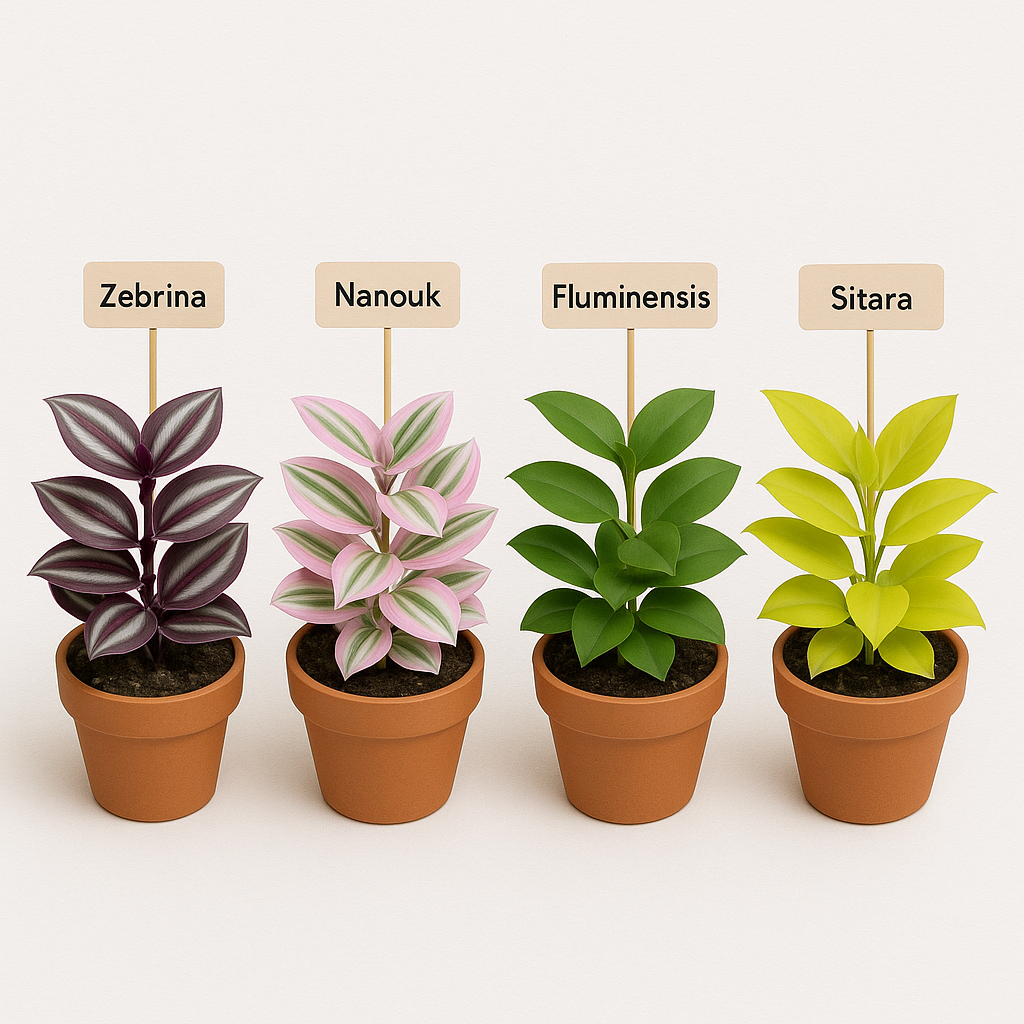
All the main tradescantia varieties have the same basic care needs, but they look very different:
Tradescantia zebrina — the classic. Purple undersides, silver and green striped tops. Grows fast, trails long, the one you'll find in most garden centers.
Tradescantia Nanouk — the Instagram favorite. Pink, white, and green variegation on chunkier, more compact leaves. Slightly more light-hungry to maintain the pink variegation. More expensive and more sought-after.
Tradescantia Fluminensis — the underdog. Solid green leaves, no stripes, no purple. Easier to keep looking good in lower light conditions because it doesn't have as much variegation to maintain. Often called "small-leaf spiderwort."
Tradescantia Sitara — golden yellow-green coloring. Similar growth habit to Zebrina but with a warm yellow tone instead of purple. Nice option if you want tradescantia energy without the pink/purple.
Tradescantia Bubble Plus (or Bubblegum) — newer variety with rounder, thicker leaves and pink/purple coloring. More compact growth habit. Gaining popularity on plant TikTok.
All are fast-growing, all trail, all root quickly. Pick based on the color you want — the care is basically the same.
Troubleshooting: The Big 5 Tradescantia Problems (And How to Fix Them)
1. Yellow leaves → Overwatering. Let the soil dry out more between waterings. Check drainage holes aren't blocked. If it's been wet for a while, check for root rot (see rescue protocol below).
2. Brown crispy leaf edges → Underwatering, low humidity, or fertilizer burn. Rule out the easy ones first: water thoroughly, and if you fertilize regularly, rinse the soil with plain water to flush salt buildup.
3. Leggy, stretched growth → Not enough light. Move closer to a window. Prune back the leggy stems — they'll branch and come back fuller. A grow light helps if your space is genuinely dark.
4. Stripes fading → Light too low. This is almost always the cause. The plant is dropping variegation to conserve energy. More light, stripes come back.
5. Drooping → Check soil moisture. Wet and drooping = overwatering root issues. Dry and drooping = thirsty. Either way, address the soil moisture first. If stems are black and mushy at the base, see the rescue protocol.
For deeper watering and root rot info, see our general watering principles and our root rot treatment guide.
When Your Tradescantia Is Dying: Save vs. Start Over
Here's the honest truth: if the stems are alive, you can save it. If the stems are dead, you might be starting over.
How to check: Stems should be firm and green underneath the skin. Scratch the surface with your fingernail — if it's green underneath, it's alive. If it's brown, black, or mushy, that section is dead.
If stems are alive but leafless: Great news. Cut the live stems into sections with at least one node each. Propagate in water. Even a nearly-dead tradescantia can come back from healthy cuttings.
If the roots are rotted (black, slimy, smells bad): The plant is probably too far gone. But take cuttings from any firm stems before you toss it — propagation odds are still good if the stems themselves are healthy.
If everything is dead: Toss it and start fresh. Tradescantia is inexpensive and propagation is so fast there's no shame in starting over. You'll have a new one cascading within a couple months anyway.
Is Tradescantia Toxic to Pets?
Yes, mildly. The ASPCA marks tradescantia as toxic to cats and dogs. The milky sap can cause GI upset (drooling, vomiting, diarrhea) if ingested. It can also cause skin irritation in some people.
Practical advice: if your pet is a known plant chewer, keep tradescantia out of reach — a high shelf or hanging planter works. Monitor for symptoms if you suspect they've been chewing on it. If you're looking for pet-safe alternatives, see our pet-safe plant alternatives.
Don't panic about casual contact. Don't let it become a chew toy. Use common sense.
Tradescantia Cheat Sheet
| Light | Bright indirect — some morning direct OK |
| Water | Let top 1-2" dry between waterings |
| Soil | Well-draining + perlite |
| Temperature | 55-75°F — average house temps fine |
| Humidity | Average household fine |
| Fertilizer | Half-strength monthly in spring/summer |
| Toxicity | Mildly toxic to cats and dogs |
| Propagation | Nodes root in 1-2 days in water |
| Pruning | Cut above nodes, 2-3 nodes back, every few weeks |
Products We Love
We use and recommend these for tradescantia care:
- Boho Earth Macramé Plant Hanger — perfect for displaying cascading tradescantia
- Bonsai Jack Succulent and Cactus Soil — fast-draining mix, takes the guesswork out
- Fiskars Micro-Tip Pruning Snips — clean cuts for the pruning protocol
- Dyna-Gro Foliage Pro Fertilizer — balanced liquid fertilizer for fast-growing houseplants