Succulent Care — The No-Nonsense Guide to Not Killing Them
They're sold as "unkillable." They die. Here's why — and how to actually keep them alive.
The Golden Rule of Succulent Care
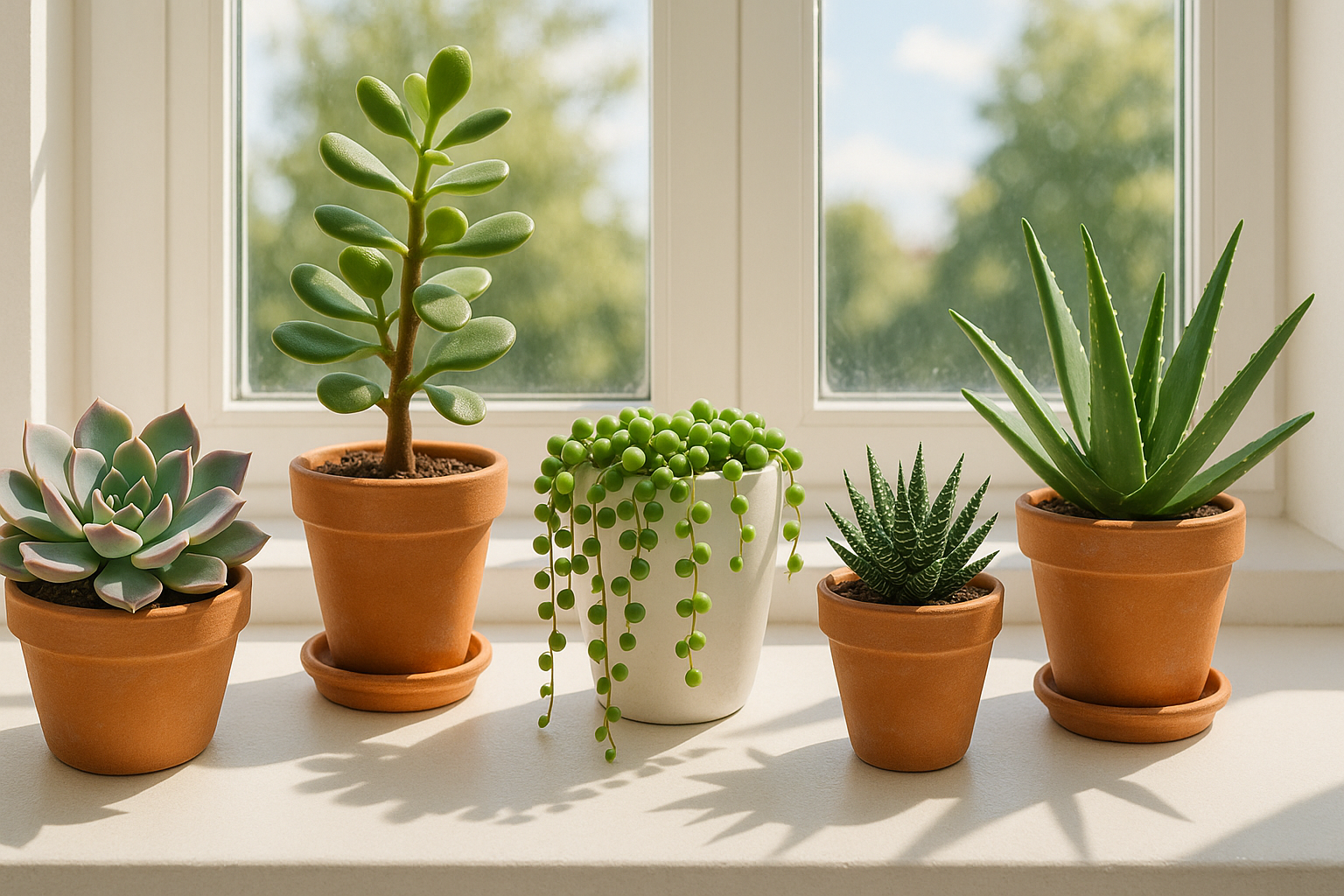
Here's the thing nobody tells you: succulents aren't hard to care for. They're hard to care for correctly — which means differently from most houseplants.
The golden rule: Less water. More light. Fast drainage.
That's it. Every problem with succulents comes from breaking one of these three rules. Most people kill theirs by watering too often (we'll get to that). Others keep them in low-light offices and wonder why they stretch out looking for sun.
Watering Your Succulents (The Right Way)
Stop Watering on a Schedule
"How often should I water my succulent?" is the wrong question. The right question is "when should I water my succulent?"
Water when:
- Soil is completely, 100% dry (stick your finger in there)
- Leaves feel slightly less firm — they should be plump but not mushy
- The bottom leaves are thinner or wrinkled (not just the very tips)
Don't water just because it's Tuesday.
The Soak and Dry Method
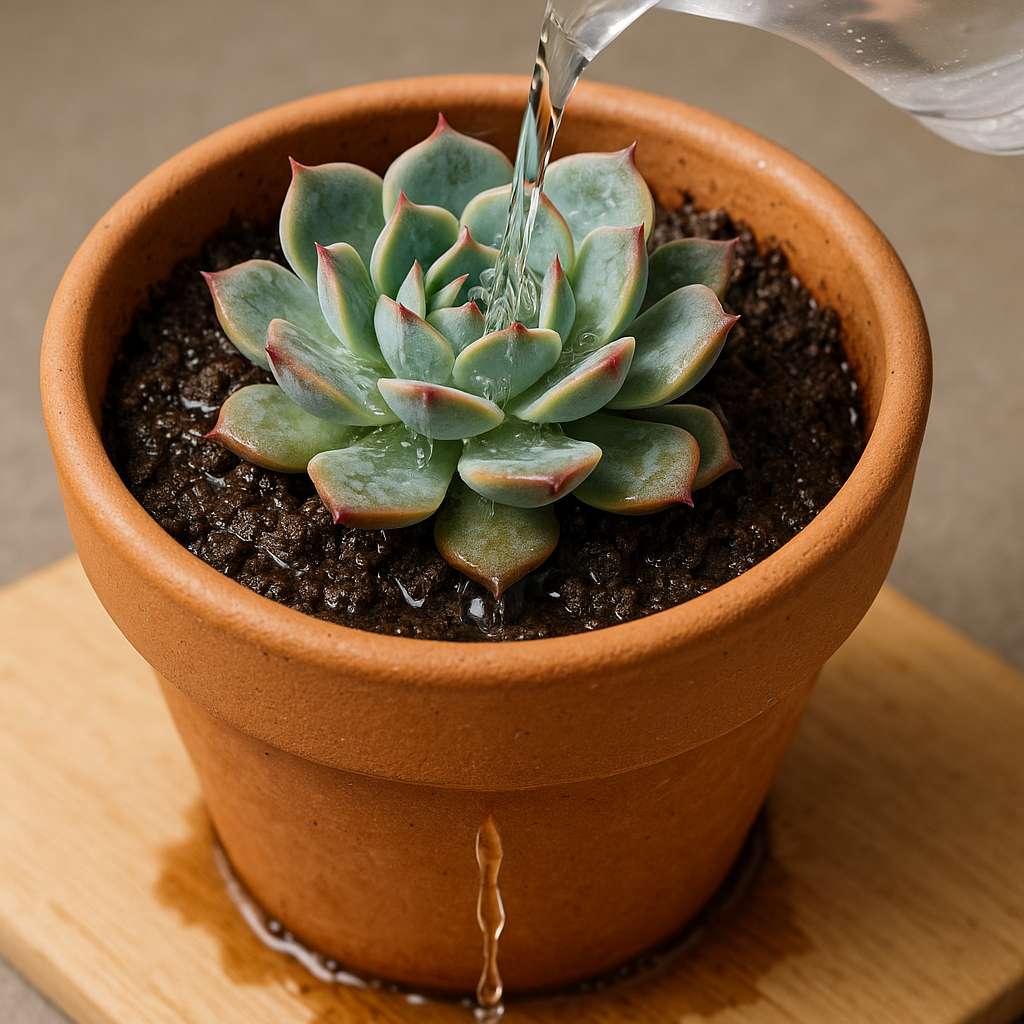
This is the gold standard for succulent watering:
- Soak — Water thoroughly until it drains from the bottom
- Wait — Let the soil dry out completely (5-14 days depending on your climate)
- Repeat
When you water, water deeply. A light sprinkle just encourage weak surface roots.
🚿 Level Up Your Watering Game
Ready to make watering easier? Here are our tested tools that actually make a difference:
*As an Amazon Associate, we earn from qualifying purchases.
Signs You're Messing It Up
Overwatering:
- Mushy, translucent leaves
- Leaves falling off easily (especially from the bottom)
- Stem getting soft or mushy near the base
- Root rot (brown, smelly roots when you check)
- White or green mineral buildup on soil surface
Underwatering:
- Leaves getting wrinkled or shriveled
- Leaves curling inward from the edges
- Dry, crispy edges or tips
- Soil pulling away from the sides of the pot
The tricky part? Some signs look similar. Both over- and underwatering can cause leaf drop. The difference is feel — overwatered leaves are mushy; underwatered leaves are dry and crispy. When in doubt, check the soil. If it's damp and your plant looks unhappy, you're overwatering.
Light: How Much Is Enough?
Succulents are desert plants. They want sun. Not your "bright" office. Not a north-facing window. Actual, direct sunlight.
What They Need
- South-facing window — best for most succulents
- West-facing window — second best
- East-facing window — acceptable for some varieties
- North-facing window — probably not enough
If your succulent is more than 3 feet from a window, it's probably not getting enough light.
Signs of Light Problems
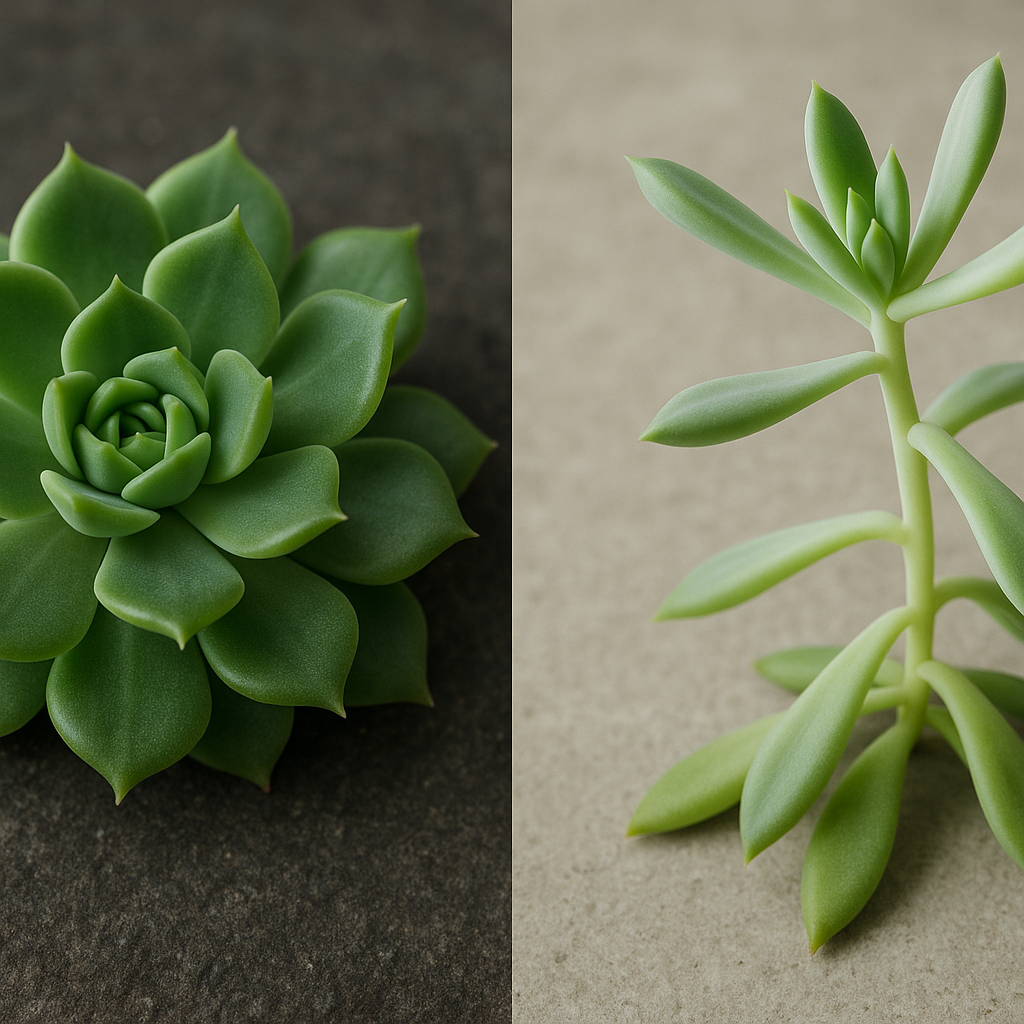
Etiolation (not enough light):
- Stretching upward or toward the window
- Leaning or drooping
- New growth getting smaller
- Losing color (going pale or green)
Sunburn (too much direct light):
- Brown or scorched patches
- Bleached white spots
- Crispy, dried-out areas
Moving a succulent from low to bright light? Do it gradually — they need to acclimate, or they'll burn.
Low-Light Apartments
If you live in a cave (no good windows), you have two options:
- Get a grow light — LED grow lights are cheap and effective. 6-8 hours mimics natural sunlight.
- Accept fewer species — some succulents (haworthia, gasteria) tolerate lower light better than others (echeveria, sedum).
Soil and Pots: Drainage Is Everything
Regular potting soil holds water. Succulents hate wet feet. This is why soil is make-or-break.
The Soil Situation
Don't use regular potting soil. It stays wet too long and rots roots.
Use:
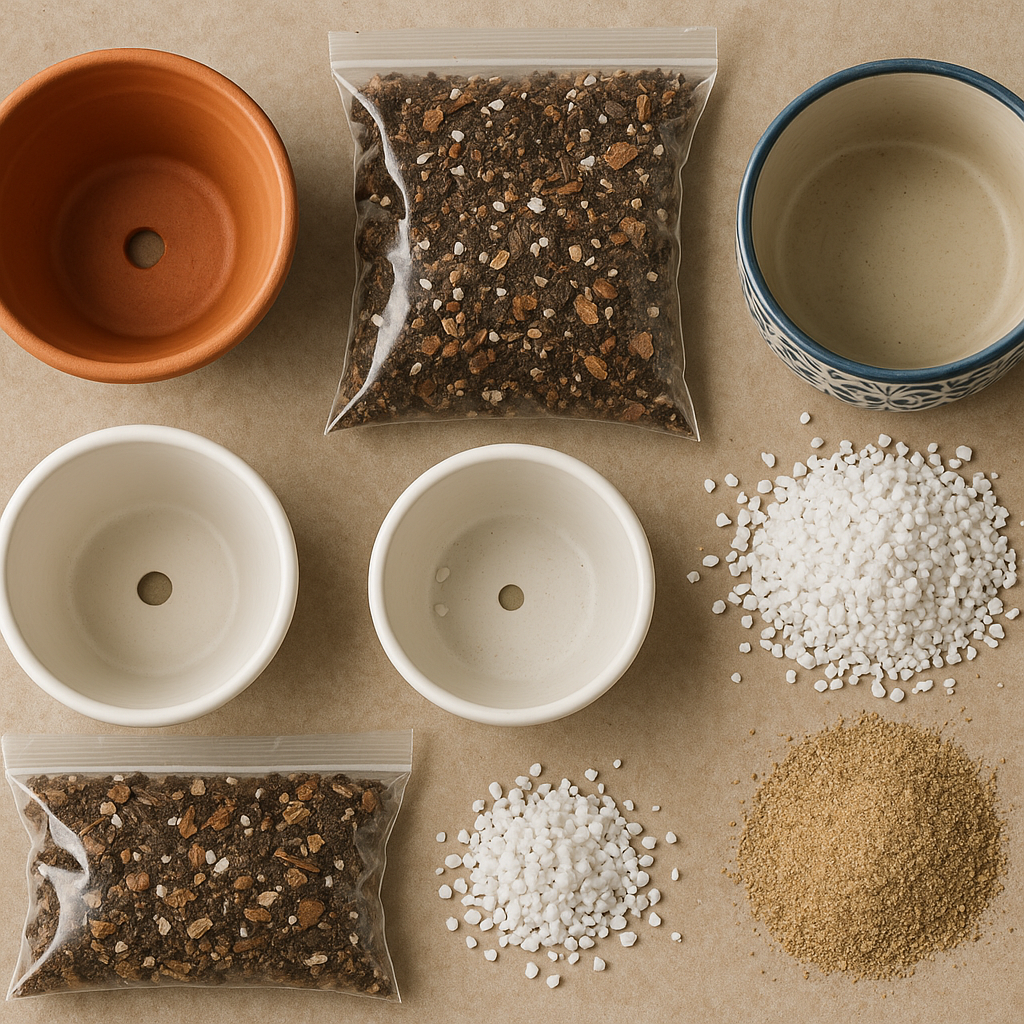
- Cactus/succulent mix (available at any garden center)
- Or make your own: 2 parts potting soil + 1 part perlite + 1 part coarse sand
The goal is fast drainage. Water should pour through and drain out within seconds.
Pot Materials
| Material | Pros | Cons |
|---|---|---|
| Terracotta | Breathable, dries fast | Heavy, can crack in frost |
| Ceramic (glazed) | Pretty, retains moisture | Holds water longer |
| Plastic | Light, cheap | Can hold too much moisture |
| Concrete | Modern look, heavy | Very drying |
For beginners: Terracotta is your friend. It wicks away excess moisture and tells you when you're overwatering.
Drainage Holes Are Non-Negotiable
No exceptions. No "but it looks so cute in this cachepot." If there's no hole, water sits at the bottom and roots rot.
Use a nursery pot that fits inside your decorative pot if you must.
The 5 Most Common Problems (and How to Fix Them)
1. Root Rot
Cause: Overwatering, poor drainage
Fix: Let soil dry completely. If rot has set in, cut off healthy parts and propagate.
2. Etiolation (Stretching)
Cause: Not enough light
Fix: Move to brighter spot or add grow light. Once stretched, it won't un-stretch — but new growth will be compact.
3. Overwatering
Cause: Watering too frequently, soil holding too much moisture
Fix: Let soil dry completely between waterings. Use terracotta. Use the soak-and-dry method.
4. Underwatering
Cause: Neglect, soil repelling water
Fix: Water thoroughly (soak method). If soil is hydrophobic (repelling water), soak the whole pot for 15 minutes.
5. Pests
Cause: Usually brought in on other plants
Fix: Isolate new plants. Common culprits: mealybugs (white cottony stuff), spider mites (webbing). Wipe with rubbing alcohol or spray with insecticidal soap.
Seasonal Care: Summer vs Winter
Succulents have growing seasons (spring/summer) and dormant seasons (fall/winter). Understanding this cycle is key to keeping them healthy year-round.
Summer
- Active growing period — expect new leaves and possible blooms
- Water more frequently (every 7-10 days as soil dries completely)
- Can handle more direct sun (acclimate gradually)
- May need fertilizer once a month during active growth
- Good time to repot if needed — they'll recover faster
Winter
- Dormant or semi-dormant — growth slows significantly
- Water less (every 2-3 weeks, sometimes even less in cold climates)
- Light needs stay the same — don't move to lower light just because it's cold
- Stop fertilizing until spring
- Watch for signs of etiolation if you're using grow lights on timers
Winter warning: Cold + wet = death. Keep succulents away from cold windows in winter if the temperature drops significantly there. Frost damage turns leaves translucent and mushy. If your succulents are near windows, move them back a few inches or insulate the glass with bubble wrap.
Signs Your Succulent Is Happy
A healthy succulent:
- Has firm, plump leaves
- Maintains compact growth (no stretching)
- Shows vibrant colors (red, purple, or pink edges in many varieties)
- Produces new leaves regularly in growing season
Propagation: Grow Your Collection for Free
Once you master basic care, propagation is the fun part. Most succulents grow new plants from leaves or stems, and once you try it, you'll never buy full pots again.
Leaf Propagation
This is the most satisfying way to multiply your succulents:
- Choose a healthy leaf — Gently twist off a healthy, plump leaf. Don't tear it — you need the entire base where it connects to the stem. A clean break is essential.
- Let it callous — Set the leaf somewhere dry and bright (not direct sun) for 2-3 days. The cut end needs to form a callous before it'll root.
- Place on soil — Lay the leaf on top of dry succulent soil. Don't bury it.
- Wait — This is the hard part. Check on it every few days. It takes 2-4 weeks for roots to appear.
- Mist lightly — Once you see tiny roots, mist the soil lightly when it dries. Not too much — just enough to encourage root growth.
- Watch for babies — Tiny rosettes will eventually form at the base. The mother leaf will shrivel and die as the baby grows. This is normal.
Success tip: Start with easy propagators like echeveria, graptopetalum, and sedum. They're nearly foolproof.
Stem Cuttings
For leggy succulents (stretched from low light) or branching varieties:
- Cut the stem — Use clean, sharp scissors to cut a stem with healthy leaves.
- Let it callous — Same as leaves: 2-3 days in a dry spot.
- Plant it — Stick the cut end into dry soil about 1 inch deep.
- Wait — 2-3 weeks before watering. The stem needs to grow roots first.
- Test for roots — Gently tug after a month. Resistance means roots have formed.
Pro tip: Propagate in spring/summer during active growth. Winter propagation is slow and often fails. If you must propagate in winter, use a heat mat to keep soil warm.
The Bottom Line
Succulents aren't hard. They're just different. They want sun, not shade. They want drought, not damp soil. They want drainage, not wet feet.
If yours is dying, it's almost certainly:
- Too much water
- Not enough light
- Wrong soil
Fix those three things and your succulents will thrive. They're still the easiest plants to keep alive — as long as you stop treating them like your pothos.
Want more hard-to-kill plants? Check out our Easiest Houseplants for Beginners guide — plants that actually tolerate neglect.
Got a succulent that's struggling? Drop by our Troubleshooting Hub for diagnosis help.