Spring Repotting Guide — When & How to Repot Houseplants
Spring isn't just for cleaning your apartment — your plants need attention too. Here's how to tackle repotting season without losing your mind.
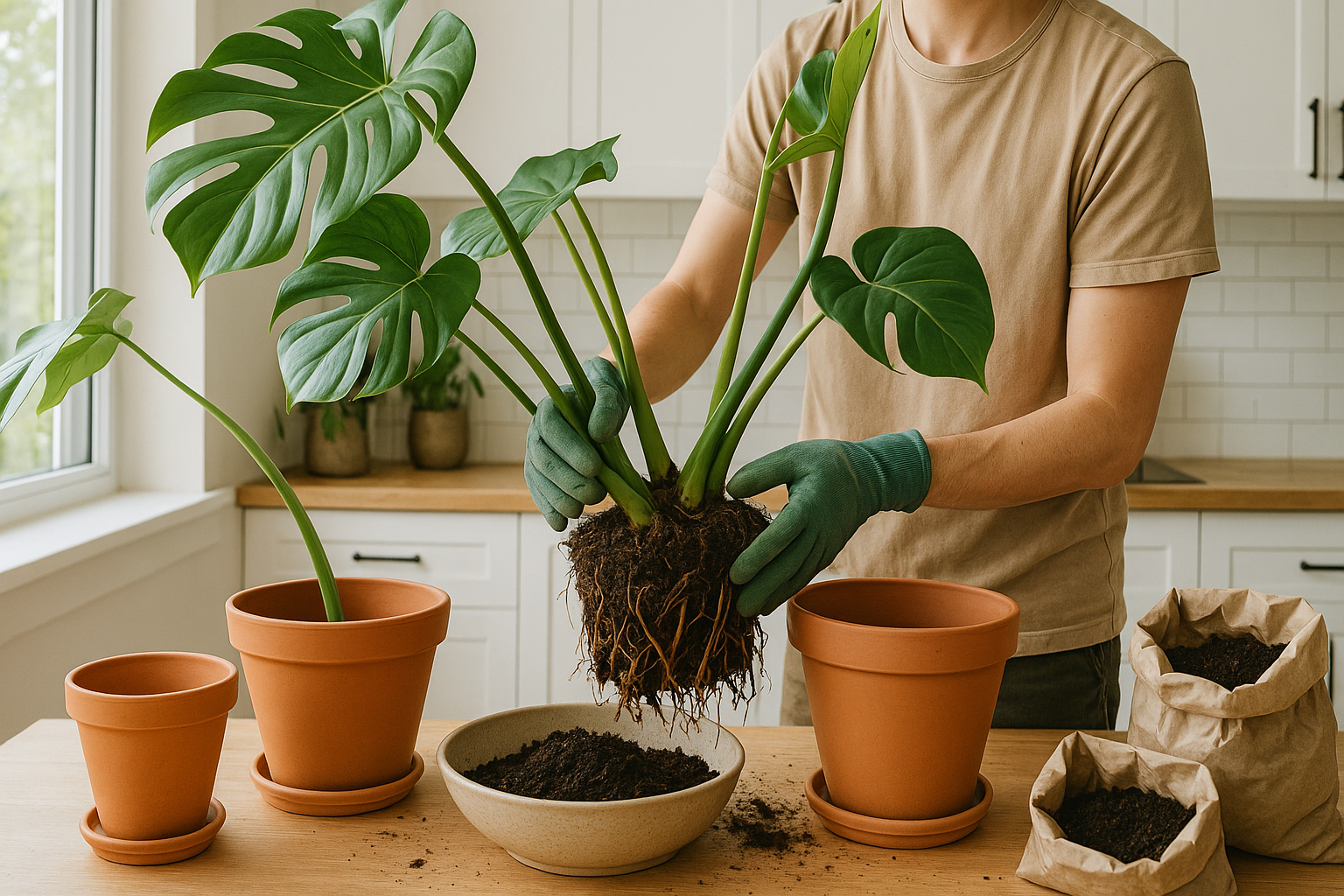
Why Spring is the Best Time to Repot
Here's the thing: plants don't care about your calendar, but biology does.
After winter dormancy, your houseplants are waking up. Days are getting longer, light is intensifying, and growth hormones are kicking in. This is when plants have the energy to recover from root disturbance — the inevitable trauma of moving to a new pot.
The science (simplified):
- Spring: Active growth phase → roots heal fast → plant bounces back quickly
- Summer: Peak growth → doable but stressful → risk of shocking the plant
- Fall: Slowing down → longer recovery → more risk
- Winter: Dormant or semi-dormant → roots basically sleep → very slow recovery, high failure rate
Repotting in spring gives your plant the best odds. The weather is getting warmer, light is increasing, and the plant's natural growth cycle aligns with the stress of relocation.
But What If I Missed the Window?
Honestly? You can repot almost anytime, but timing matters.
If you miss spring and absolutely need to repot (roots are out of control, soil is toast), summer is your second-best option. Just don't fertilize immediately and keep the plant out of harsh direct sun for a week or two.
Fall and winter repotting? Only if it's an emergency. Root-bound plants stressed in fall often don't recover before winter hits. And winter repotting is basically rolling the dice — you're asking for yellow leaves, mushy stems, or a slow decline.
Signs Your Plant Needs Repotting This Spring
Not every plant needs repotting every spring. Here's how to tell if yours actually needs it:
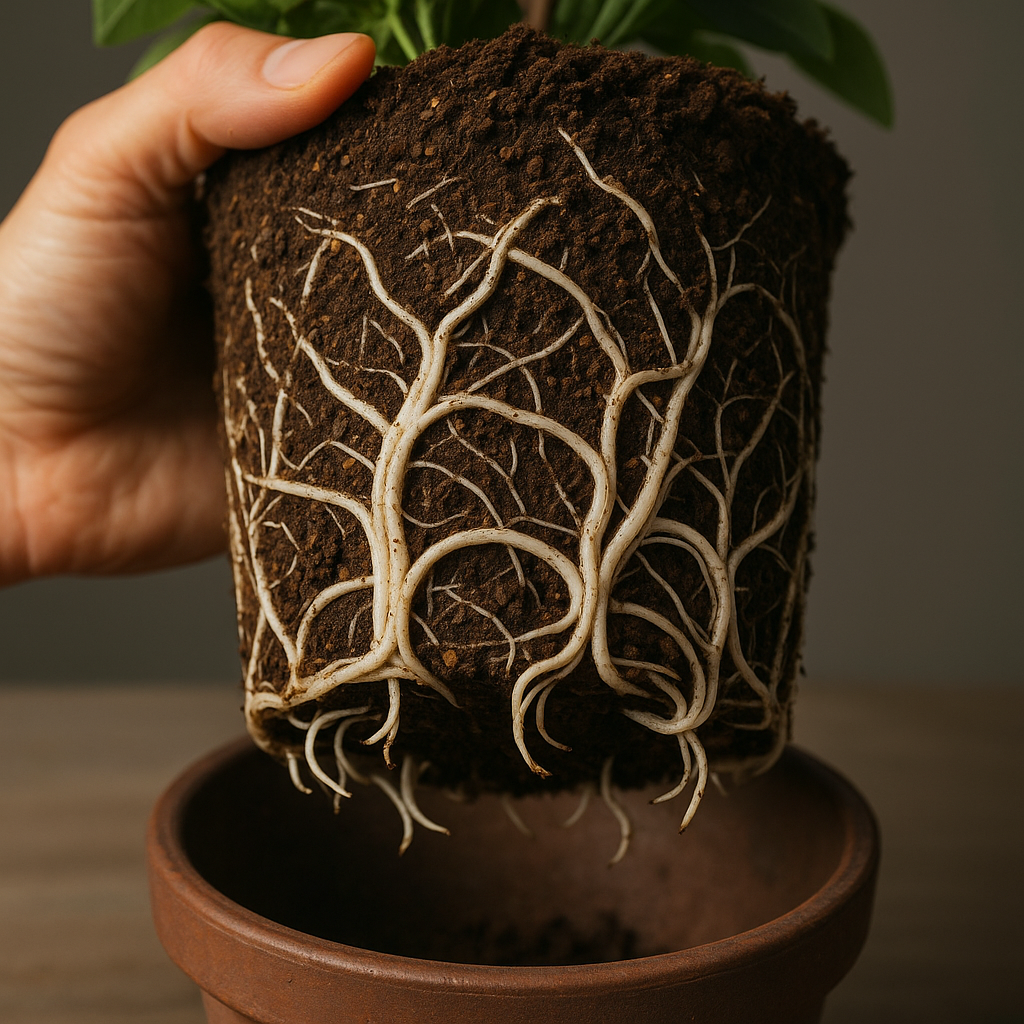
1. Roots Escaping the Drainage Holes
This is the most obvious sign. If you see white or tan roots poking out the bottom, poking through the sides, or circling the base of the pot, the plant is root-bound and desperate for more space.
2. Roots Circling the Surface
Pull the plant slightly out of the pot (don't yank it — be gentle). If you see a dense mat of roots circling the root ball, it's time. Healthy soil should be visible. If it's all roots, you've waited too long.
3. Water Runs Straight Through
If watering feels pointless — water immediately pours out the bottom without absorbing — the roots have taken over the pot. There's no soil left to hold water. This is especially common with fast growers in small pots.
4. Stunted Growth
Plant looks healthy (no yellowing, no pests) but hasn't grown in months? It's probably cramped. Give it room to stretch.
5. It's Been 12-18 Months Since Last Repot
If you can't remember the last time you repotted, it's probably time. Soil degrades over time, losing structure and nutrients. Even if roots aren't escaping, the soil might be shot.
🌱 Set Your Plants Up for Success
Great plants start with great soil. Here are our go-to mixes and amendments:
*As an Amazon Associate, we earn from qualifying purchases.
6. Plant Tips Over Easily
A plant that used to stand upright but now constantly tips over? The roots have taken up so much space that there's no soil left to anchor the plant. Weight distribution is off.
Fast Growers vs Slow Growers
Not all plants need the same urgency. Here's how to prioritize:
Fast Growers (Repot Every 12-18 Months)
- Pothos — These vines are aggressive. They'll fill a pot in months.
- Monstera — Especially young ones. They grow fast and get hungry.
- Philodendron — Similar to pothos, relentless growth.
- Syngonium — Arrowheads grow quickly and will crowd pots.
- Spider plants — Produces babies AND expands its root system constantly.
- Tradescantia — Wandering Jews are fast. Give them space.
These beasts eat through soil fast and will stress you out if they get cramped. If you have a pothos that's never been repotted and looks sad, this is probably why.
Slow Growers (Repot Every 2-3 Years)
- Snake plant (Sansevieria) — These are camels. They'll survive being root-bound for years.
- ZZ plant (Zamioculcas) — Basically immortal, prefers being snug.
- Most cacti and succulents — They like tight spaces. Overpotting leads to root rot.
- Parlor palm — Slow and steady.
- Calathea — Surprisingly slow growers, actually prefer being slightly root-bound.
These guys are chill. They'll tolerate being cramped. Overpotting slow growers is a common mistake — they actually prefer being slightly snug. More soil means more water retention, which leads to soggy roots. Not good.
Plants to Prioritize in Spring
If you're staring at a collection of 30+ plants (we don't judge), here's your priority order:
- Young plants — they need room to grow and establish root systems
- Fast growers showing signs of stress — roots visible, stunted growth, wilting despite watering
- Plants that were root-bound last year — they'll need another upgrade
- Propagations that have rooted — time to move them from water to soil
- Healthy slow growers — can wait until later in the season or even next year
When NOT to Repot in Spring
Counterintuitively, sometimes you should skip repotting:
- Plants in bloom — repotting during flowering often causes bud drop or flowers falling off. Wait until after.
- Plants recovering from pests or disease — give them stability while they recover
- Recently propagated plants — let them establish in their first real pot first
- Plants showing signs of stress (yellowing leaves, wilting, leaf drop) — address the underlying issue first. Is it overwatered? Underwatered? Pests? Figure it out before you stress it out further with a new pot.
- Just bought a plant from the store — give it 2-3 weeks to acclimate to your space before repotting. Transport stress is real.
If a plant looks unhappy, figure out why before you make things worse.
Spring Repotting Prep Checklist
Don't just yank plants out of pots and hope for the best. Be prepared:
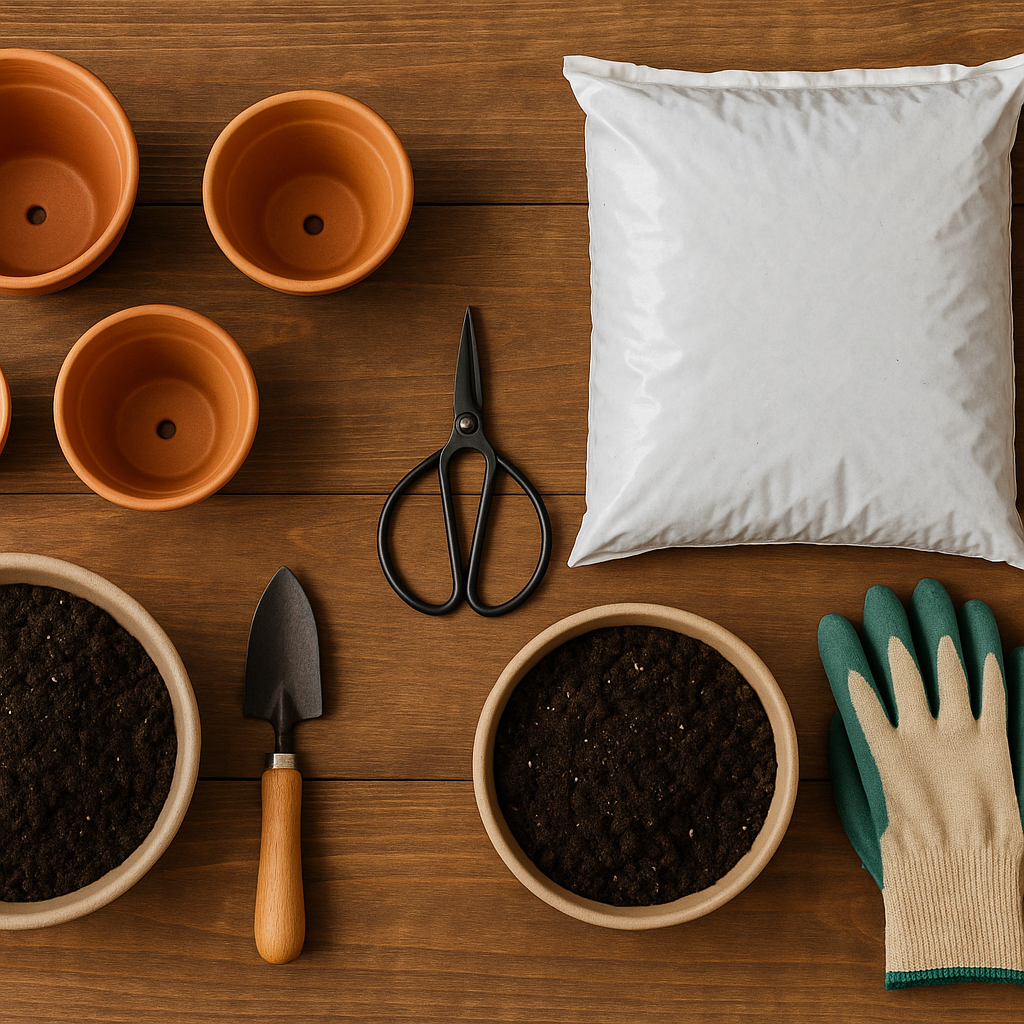
- [ ] Fresh soil — don't reuse old soil. It's depleted and might harbor pests or fungus. Buy a good potting mix.
- [ ] Clean pots — scrub old pots with 10% bleach solution, or use brand new ones. Skip this and you might transfer pests.
- [ ] Drainage holes — if your pot doesn't have them, drill some or use a different pot. No drainage = root rot city.
- [ ] Slightly larger pot — go up 1-2 inches in diameter. Never jump to a huge pot. Too much soil stays wet too long.
- [ ] Scissors or pruners — for trimming dead or rotting roots. Clean them with rubbing alcohol first.
- [ ] Watering can ready — you'll water after repotting to help settle the soil.
- [ ] Old newspaper or tarp — repotting is messy. Protect your floors.
Post-Repotting Spring Care
The work isn't done once the plant is in the new pot. Here's what to do next:
Skip Fertilizer for 4-6 Weeks
Fresh soil has nutrients. Adding fertilizer now burns recovering roots. Wait until the plant shows new growth — that's your signal it's ready for food.
Bright, Indirect Light
Don't shove repotted plants into a dark corner. They need light to fuel root recovery. Keep them in their normal spot — just don't blast them with harsh direct sun for the first week. They're vulnerable.
Watch for Stress
Some leaf drop or yellowing after repotting is normal. The plant is adjusting to its new home. If it's severe (more than 2-3 leaves) or lasts more than 2-3 weeks, something's wrong.
Don't Water Immediately (Controversial Take)
Some people water right after repotting. Others wait a few days. Here's the deal: if you damaged a lot of roots, wait. If the repotting was gentle and you used fresh dry soil, water lightly. Either way, don't drown it.
Watering After Spring Repotting
Since it's spring and growth is ramping up, your watering schedule might need adjustment:
- Check soil moisture before watering — don't stick to the same schedule
- Plants are waking up and will use more water than in winter
- New soil drains fast — might need to water more often initially
- Less runoff is normal — there's more soil to hold water now
Top Dress vs Full Repot in Spring
Here's a decision point: does your plant actually need a new pot, or just a refresh?
Full Repot (New Pot)
- Roots are circling or escaping
- Plant is visibly cramped
- Soil drains poorly or smells off
- It's been 2+ years since last repotting
- You want the plant to grow bigger
Top Dress (Refresh Soil Only)
- Plant is a slow grower
- Roots look healthy but soil is depleted
- You don't want a bigger plant (top dressing keeps plants more compact)
- It's not quite root-bound but the soil is old
- It's a plant that hates root disturbance (some calathea, fussy ferns)
Top dressing is simple: remove the top 1-2 inches of old soil and replace with fresh mix. Roots stay undisturbed, plant gets new nutrients. Easy win for finicky plants.
Bottom Line
Spring is repotting season — embrace it. Your plants are waking up, they're ready to grow, and they'll recover faster than at any other time of year.
Check your plants for signs of stress, prioritize the fast growers, and don't overpot. A slightly cramped plant is better than one drowning in too much soil. More isn't always better.
Need the full step-by-step? Here's our complete repotting guide with photos. And for year-round care inspo, peep our seasonal care calendar.
Happy repotting. Your plants will thank you.
Related Links: