Orchid Care for Beginners — Phalaenopsis Made Easy
The moth orchid sitting on your counter isn't fragile. You're just loving it to death.
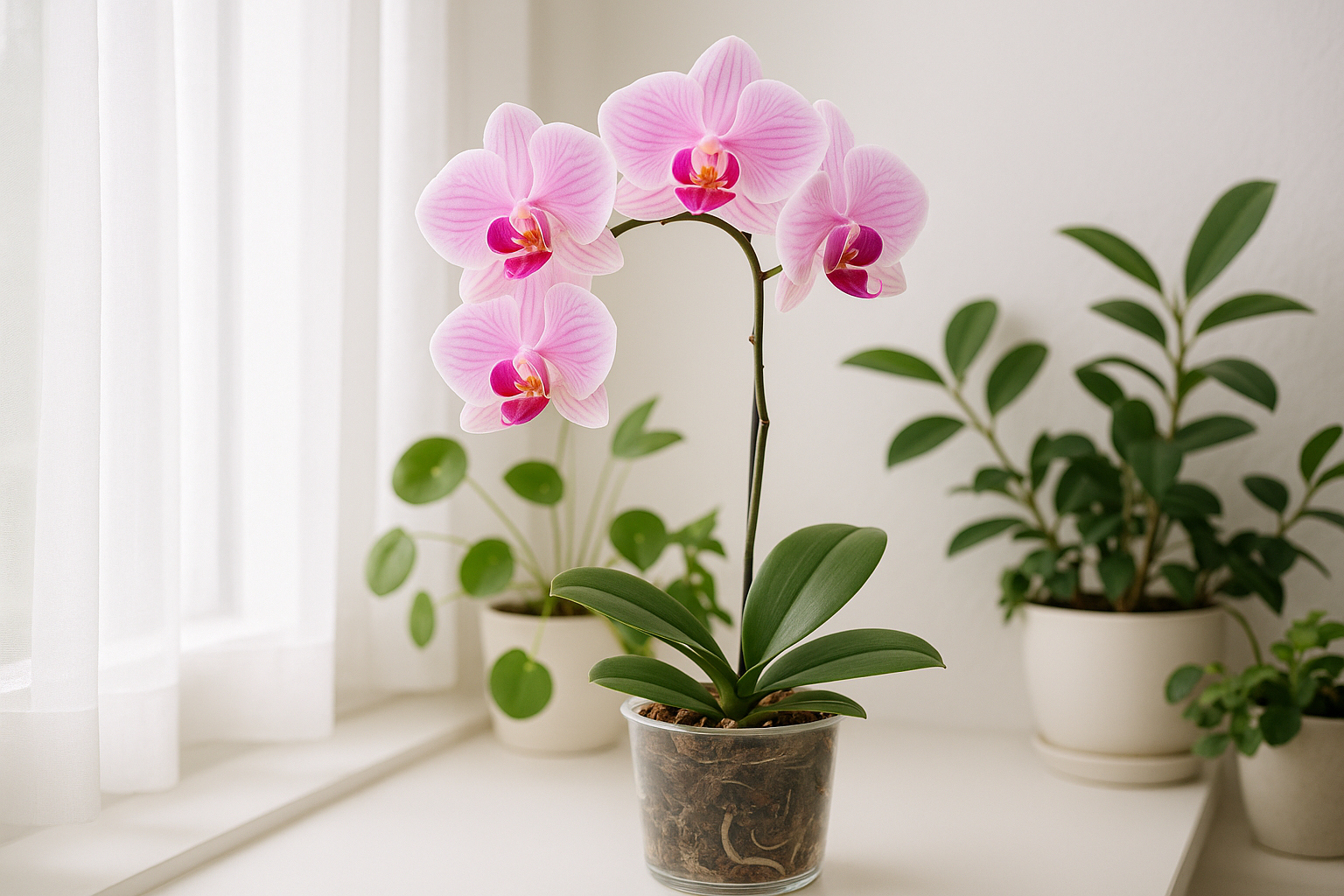
- Phalaenopsis orchids are genuinely easy — people kill them with kindness, not neglect
- Ditch the ice cubes. Use the soak-and-drain method with room-temperature water
- Learn to read your roots: green = happy, silver = thirsty, brown = trouble
- When the flowers drop, don't throw it out — a cool-night cycle triggers reblooming
Orchids Aren't Hard — You're Just Overcaring
Here's the truth about orchid care for beginners: the Phalaenopsis (moth orchid) is one of the most forgiving houseplants you can own. It tolerates low light, inconsistent watering, and being ignored for a week. The grocery store didn't sell you a death sentence. They sold you a plant that literally evolved to survive on tree bark in the tropics with zero soil.
The problem isn't that orchids are hard. The problem is that new owners do too much — too much water, too much fussing, too many ice cubes (we'll get to that). If you can resist the urge to hover, you're already halfway there.
One thing to understand upfront: Phalaenopsis orchids bloom in cycles. They're not going to flower 365 days a year. They bloom, rest, grow, and bloom again. That bare spike isn't death — it's intermission.
Quick Care Summary — Your Phalaenopsis at a Glance
| Need | Details |
|---|---|
| Water | Soak-and-drain every 7–10 days |
| Light | Bright indirect (east window ideal) |
| Humidity | 40–60% |
| Temperature | 65–85°F daytime |
| Potting mix | Chunky orchid bark, not soil |
| Fertilizer | Weak-weekly during growing season |
| Difficulty | ⭐ Beginner-friendly |
Meet Your Phalaenopsis: Roots That Breathe
Moth orchid care starts with understanding what makes this plant different: it's an epiphyte. In the wild, Phalaenopsis orchids grow on tree branches, not in the ground. Their roots cling to bark, absorb moisture from rain and humidity, and — here's the key part — they photosynthesize.
Those thick, silvery-green roots poking out of the pot aren't a problem. They're supposed to do that. Aerial roots are healthy roots doing exactly what evolution designed them to do: grab moisture from the air and soak up light.
This is why clear pots exist for orchids. You're not just potting a plant — you're giving its roots access to light. It's also why you should never, ever pack an orchid into regular potting soil. That's suffocation with extra steps.
Watering — The #1 Mistake Beginners Make
More orchids die from overwatering than any other cause. It's not even close. If your orchid watering schedule involves "every Sunday no matter what," stop. Your orchid doesn't care about your calendar. It cares about its roots.
Why the Ice Cube Method Is Hurting Your Orchid
The ice cube watering method is heavily marketed and sounds convenient. Drop a few ice cubes in the pot, let them melt, done. Simple.
Also bad.
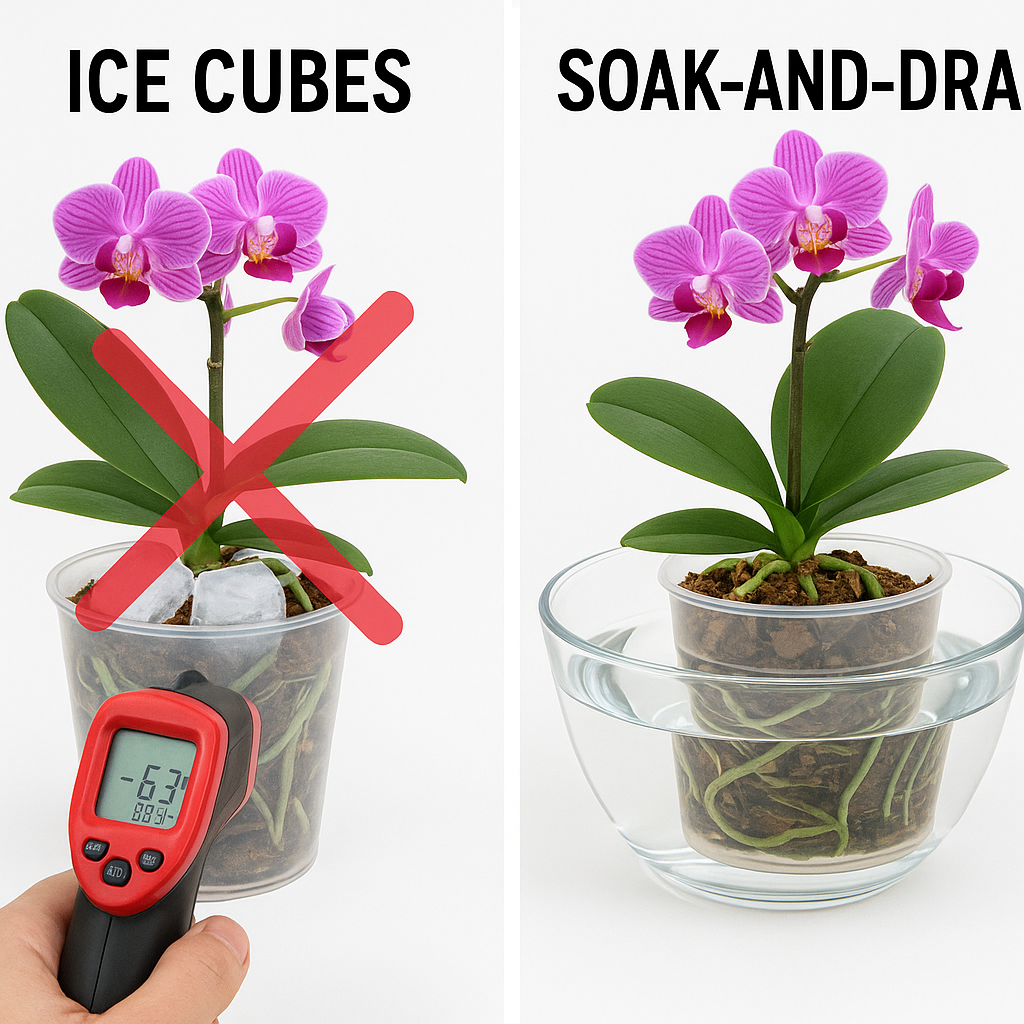
Orchids are tropical plants. Their roots are adapted to warm rain, not freezing water sitting directly on them. Ice cubes can cause localized thermal shock to root tips — the exact spot where water absorption happens. It's like washing your hands with ice water and expecting them to feel great. Will the plant survive? Probably. Is it optimal? Absolutely not.
The Soak-and-Drain Method (The Right Way)
Here's the method that actually works:
- Remove the orchid from its decorative pot (keep it in the clear nursery pot)
- Submerge the pot in a bowl of room-temperature water for 10–15 minutes
- Lift it out and let it drain completely — no standing water
- Put it back in the decorative pot
That's it. Thorough, gentle, and mimics how orchids actually get water in nature: a warm tropical downpour followed by fast drainage.
For more on getting this right, check out our complete watering guide — orchids are the #1 overwatering casualty.
How to Read Your Orchid's Roots
Your orchid's roots are a real-time dashboard. Learn to read them and you'll never have to guess when to water.
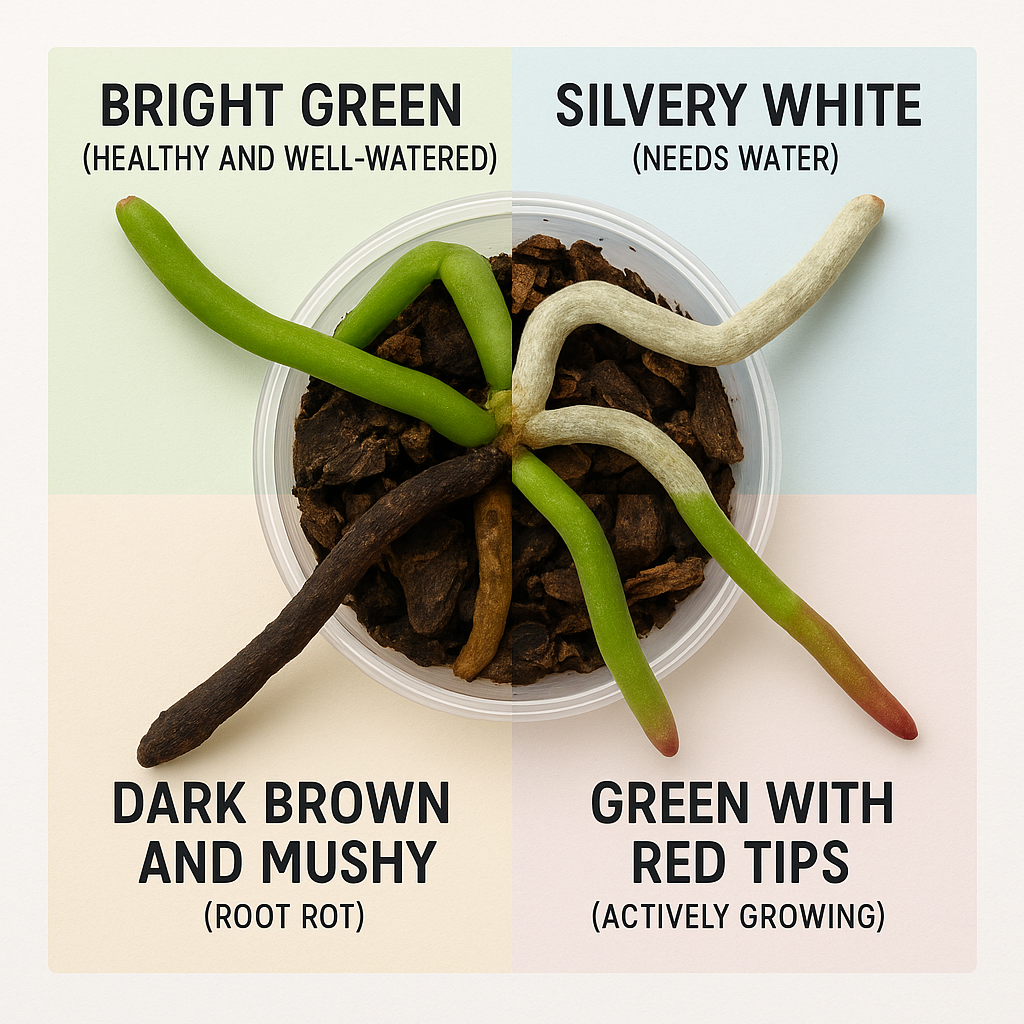
- Bright green — well-hydrated, don't water yet
- Silvery white — thirsty, time to soak
- Brown and mushy — root rot, cut these off (see our guide on how to treat root rot)
- Green with red tips — actively growing, everything is going great
How Often Should You Water?
Water your Phalaenopsis when the roots look silvery-white and the potting mix feels nearly dry — typically every 7–10 days. In summer or dry climates, you may need to water more frequently. In winter, less. The visual cue (root color) is always more reliable than a fixed schedule.
Light: Bright Indirect Is the Magic Zone
How to care for orchids indoor comes down to light more than most people realize. Phalaenopsis want bright, indirect light — the kind that fills a room without casting harsh shadows.
East Window = Ideal
An east-facing window gives gentle morning sun — exactly what moth orchids love. West windows work too but watch for intense afternoon sun. North windows are usually too dim. South windows need a sheer curtain to filter the intensity.
Signs Your Light Is Off
- Too much light: Leaves turn yellow-green or develop sunburn patches (brown, crispy spots)
- Too little light: Dark green, limp leaves. The plant looks healthy but refuses to bloom
- Just right: Medium green, firm leaves with a slight yellow-green undertone
Temperature & Humidity: The Bloom Trigger
65–85°F: Your Orchid's Happy Zone
Phalaenopsis are comfortable at normal room temperature. If you're comfortable, they're comfortable. Avoid cold drafts, heating vents, and temperatures below 55°F.
Why Cool Nights Trigger Blooms
Here's a secret most beginners don't know: a 10–15°F temperature drop at night is what signals a Phalaenopsis to produce a new bloom spike. In fall, placing your orchid near a cool window at night (55–65°F) while keeping it at 65–75°F during the day can kick-start the reblooming process. Nature does this automatically — the problem is that climate-controlled homes keep temperatures constant.
Humidity: 40–60% and How to Get It
Orchid humidity requirements are moderate — 40–60% is ideal. Most homes hover around 30–40% in winter, which can cause bud blast (buds drying up and falling off before opening).
Ways to boost humidity:
- Humidity tray — set the pot on a tray of pebbles and water (pot sits above the water line, not in it)
- Group plants together — they create a microclimate
- Small humidifier nearby — the most reliable option
A humidity tray or humidifier makes a noticeable difference, especially in winter. For more on getting your humidity right, see our humidity guide for houseplants.
Misting? It helps for about five minutes. Skip it as a primary strategy.
Potting Mix & Repotting: Don't Use What They Came In
Most store-bought orchids arrive packed in dense sphagnum moss. This is great for shipping — it holds moisture during transport. It's terrible for long-term care because it stays wet too long and suffocates roots.
Bark vs. Sphagnum Moss: What's the Difference?
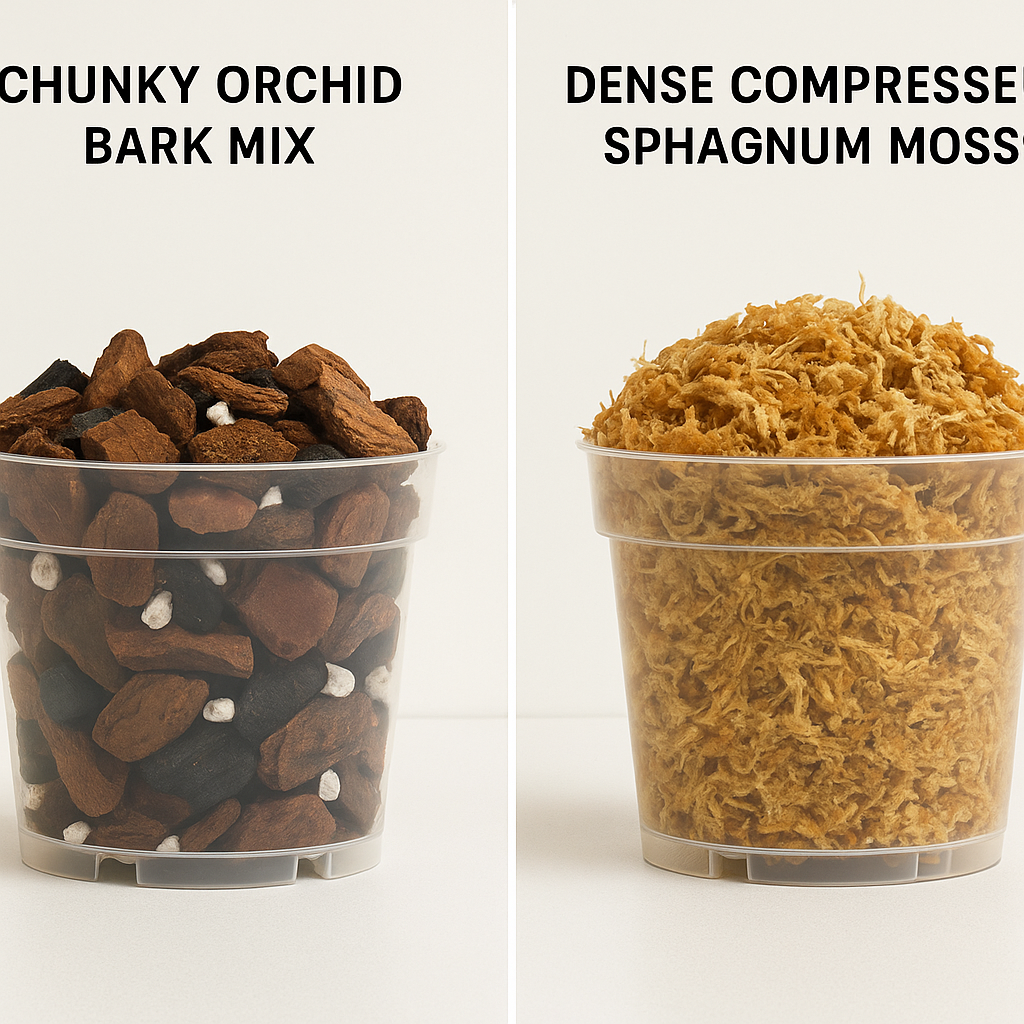
- Orchid bark mix (fir bark, charcoal, perlite) — chunky, fast-draining, allows air around roots. This is what you want.
- Sphagnum moss — dense, retains moisture for days. Fine in very dry climates if you underwater, but risky for beginners who tend to overwater.
For most beginners, a quality orchid bark mix is the safest choice. Better-Gro Phal Orchid Bark is a reliable, affordable option that drains well.
When to Repot (And When to Wait)
Repot your Phalaenopsis when:
- The bark has broken down (looks like soil instead of chunks) — usually every 1–2 years
- Roots are circling and pushing the plant up out of the pot
- You see root rot and need to trim damaged roots
- The plant just finished blooming (best time to repot)
Don't repot while it's actively blooming. That's just rude. For the full step-by-step, see our repotting guide.
Why Clear Pots Make Everything Easier
Clear pots let you see root health without disturbing the plant. You can check moisture levels, spot root rot early, and watch new roots grow. It's like a window into your orchid's health — and it makes the "when do I water?" question much easier to answer.
A clear orchid pot with drainage slits is one of the best upgrades a beginner can make. Your orchid's roots will thank you.
Fertilizing: Less Is More
The Weak-Weekly Method
Orchid fertilizer requirements are simple: dilute a balanced, urea-free orchid fertilizer to 1/4 strength and use it every time you water during the growing season (spring through fall). This "weak-weekly" approach gives consistent, gentle nutrition without salt buildup that can burn roots.
A good orchid-specific fertilizer makes this easy — just dilute and add to your soak water.
When to Skip Fertilizer Entirely
- During active blooming (the flowers are already out — fertilizer won't extend them)
- In winter when growth slows
- Right after repotting (give roots 2–3 weeks to recover)
- If you see salt crust on the bark — flush with plain water a few times first
What to Do After the Flowers Fall Off
This is the moment most people give up. The flowers drop, the spike goes bare, and the whole thing looks dead. It's not. This is normal. Your orchid is resting, not dying.
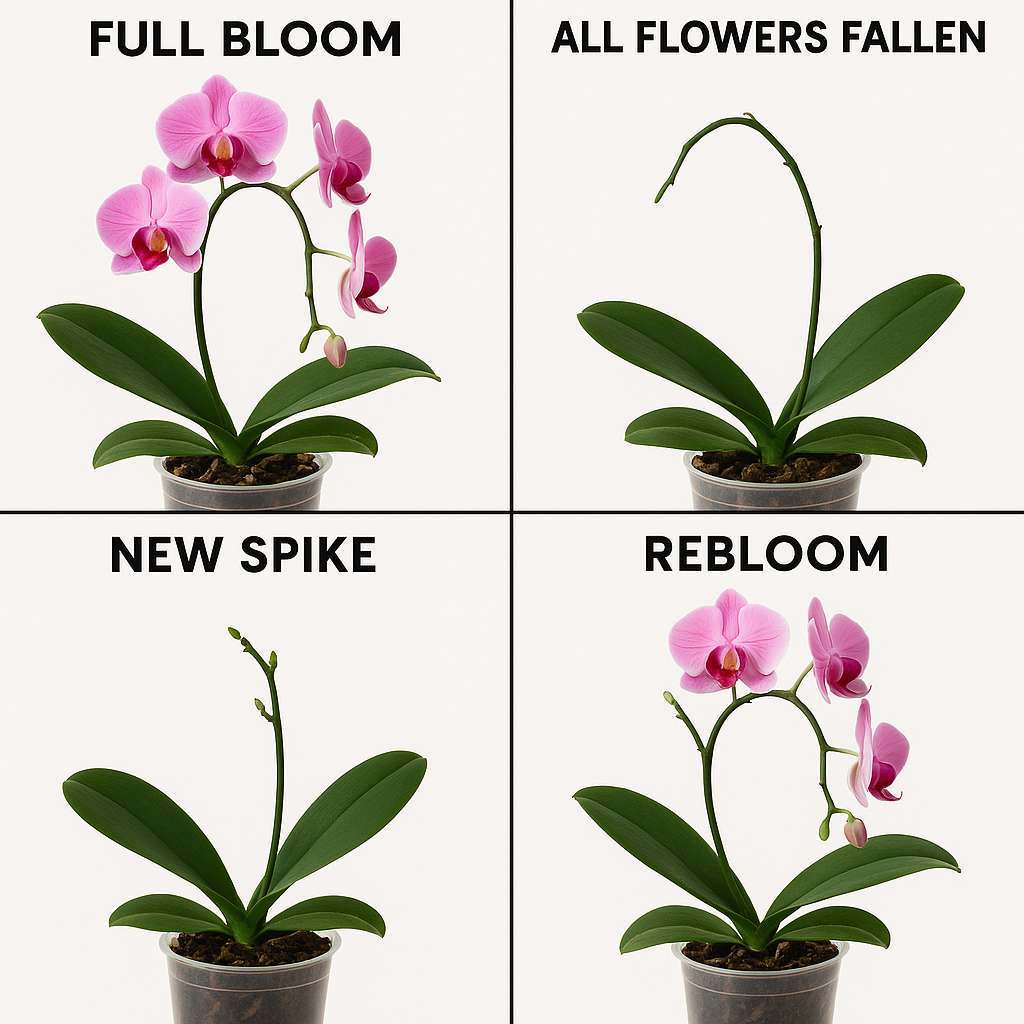
Spike Cutting Options: Cut Low, Cut Node, or Leave It
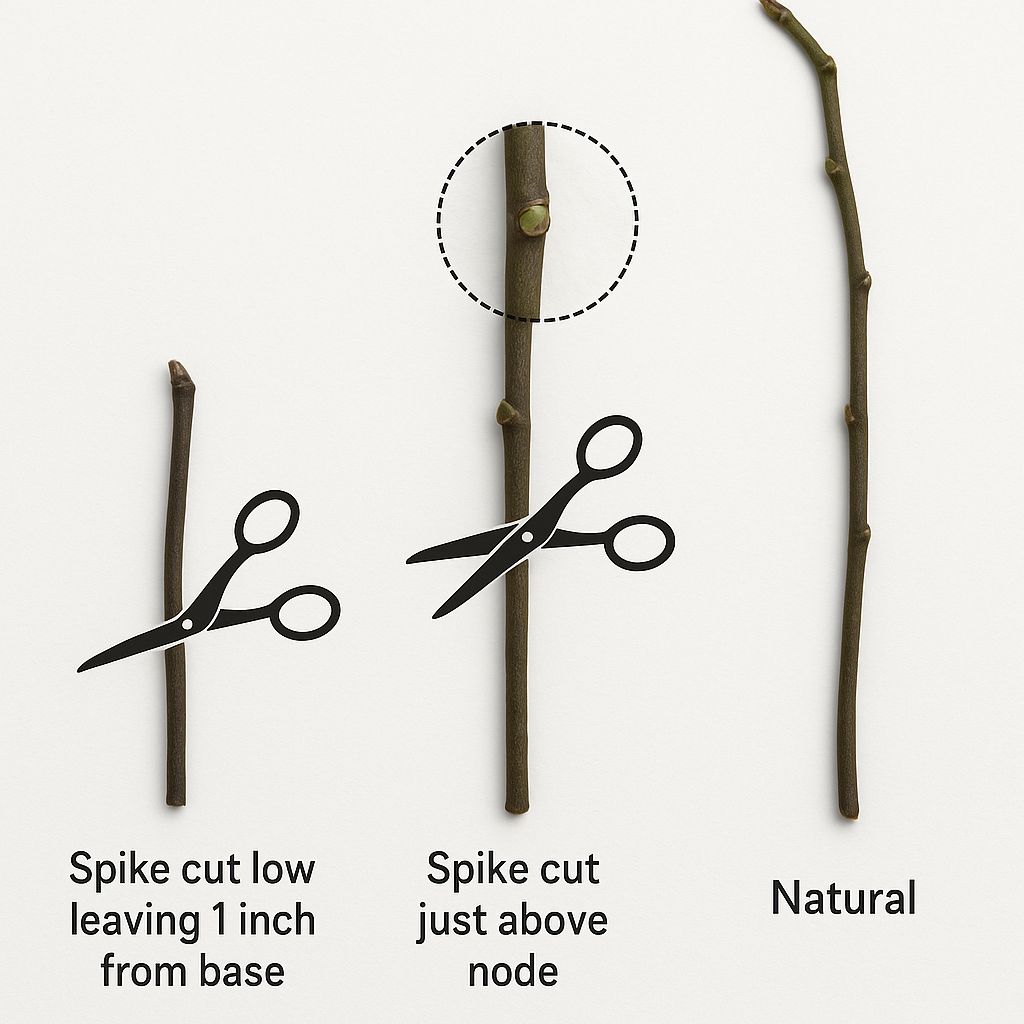
You have three options for the bare spike:
- Cut low (1 inch from the base) — redirects all energy into root and leaf growth. Best for long-term health and a strong rebloom.
- Cut above a node (the little bumps on the spike) — sometimes triggers a secondary bloom from that node. Hit or miss, but worth trying if the spike is still green.
- Leave it — if the spike is still green, the plant may bloom from it again. If it turns brown, cut it — it's done.
How to Trigger a Rebloom
To trigger a rebloom, give your orchid a temperature drop of 10–15°F at night for 2–4 weeks. Place it near a cool window (55–65°F at night) while keeping daytime temps at 65–75°F. Combined with bright indirect light and regular weak-weekly fertilizing, this cool-night treatment signals the plant to produce a new bloom spike within 8–12 weeks.
How Long Until the Next Bloom?
Patience. A healthy Phalaenopsis typically reblooms every 6–9 months. Some rebloom faster, some slower. The cool-night trigger speeds things up, but you can't rush biology. The good news: each rebloom often produces more flowers than the last.
Common Problems & Quick Fixes
Something look off? Here's the quick-reference troubleshooting guide. For a broader diagnosis, try our plant problem symptom checker.
Yellow Leaves
Orchid leaves turn yellow most often because of overwatering (root rot), underwatering (dehydration), or too much direct sunlight. If just the bottom leaf is yellowing and dropping, relax — older leaves die off naturally. If multiple leaves yellow at once, check the roots immediately.
No Blooms
Why is my orchid not blooming? Usually because it's too comfortable. No temperature variation = no bloom trigger. Give it cool nights (55–65°F) for a few weeks. Also check light — too little light is the second most common cause.
Bud Blast
Buds forming but drying up and falling off before opening? That's bud blast. Causes: low humidity, sudden temperature changes, ethylene gas (from nearby ripening fruit), or moving the plant while in bud.
Root Rot
Brown, mushy, foul-smelling roots. Caused by overwatering or staying in soggy media too long. Trim all dead roots with sterile scissors, repot in fresh bark, and reduce watering frequency. For the full rescue plan, see how to treat root rot.
Shriveled Roots
Dry, papery, flat roots mean chronic underwatering or very low humidity. Increase watering frequency and consider a humidity tray.
Orchid Not Growing New Leaves
If your orchid hasn't produced a new leaf in months, check light levels (too dim?) and fertilizer (are you feeding it?). Growth slows naturally in winter, so don't panic between October and February.
Frequently Asked Questions
How often should I water my orchid? Water your Phalaenopsis when the roots look silvery-white or the potting mix is nearly dry — typically once a week. Use the soak-and-drain method: submerge in room-temperature water for 10–15 minutes, then drain completely. Never let it sit in standing water.
Why are my orchid leaves turning yellow? Most often overwatering, underwatering, or too much direct sunlight. One bottom leaf yellowing is normal aging. Multiple yellow leaves = check roots for rot.
How do I get my orchid to bloom again? Give it a 10–15°F temperature drop at night for 2–4 weeks. Cool window at night (55–65°F), normal temps during the day (65–75°F). Add bright indirect light and regular fertilizing. Expect a new spike in 8–12 weeks.
What should I do when orchid flowers fall off? Don't throw it out. Cut the spike low or above a node, continue normal care, and trigger a cool-night cycle for reblooming. The plant is resting, not dead.
Should I use ice cubes to water my orchid? No. Ice cubes cause thermal shock to tropical roots. Use room-temperature water and the soak-and-drain method instead.
Products We Love
These are the essentials we actually recommend for Phalaenopsis care:
- Better-Gro Phal Orchid Bark — chunky, fast-draining bark mix that keeps roots healthy
- Clear Orchid Pot with Drainage Slits — see your roots, monitor moisture, spot problems early
- Orchid-Specific Fertilizer — urea-free formula for the weak-weekly feeding method
- Humidity Tray / Small Humidifier — keeps humidity in the 40–60% sweet spot, prevents bud blast