🌿 Light Guide
How to stop slowly killing your plants in dark corners
Disclosure: Some links on this page are affiliate links. As an Amazon Associate, we earn from qualifying purchases.
Understanding Light Levels
Plant light requirements are usually described in vague terms like "bright indirect light." Here's what that actually means:
| Light Level | Foot-candles | What it looks like | Example plants |
|---|---|---|---|
| Low | 50-150 fc | North window, back of room | ZZ Plant, Snake Plant, Pothos |
| Medium | 150-500 fc | East window, few feet from south/west | Philodendron, Dracaena, Peace Lily |
| Bright Indirect | 500-1000 fc | Near south/west window, sheer filtered | Monstera, Fiddle Leaf Fig |
| Direct Sun | 1000+ fc | Unobstructed south/west, sunbeams | Succulents, Cacti, herbs |
💡 Quick test: Hold your hand a foot above the surface where your plant sits. A crisp, dark shadow = bright light. Faint, fuzzy shadow = medium. No shadow = low light.
Window Direction Guide
(Northern Hemisphere — flip if you're down under)
🧭 North-Facing Windows
- Consistent but limited light all day
- Never direct sunlight
- Best for: Low-light tolerant plants (ZZ, Snake Plant, Pothos)
- Watch out: Most plants will just survive here, not thrive
🌅 East-Facing Windows
- Gentle morning sun (2-4 hours)
- Cooler, less intense than afternoon sun
- Best for: Medium-light plants, ferns, tropical foliage
- Watch out: May not be enough for high-light plants
🌇 West-Facing Windows
- Hot afternoon sun (2-4 hours)
- More intense than morning sun
- Best for: Plants that can handle some direct light
- Watch out: Can scorch sensitive plants in summer
☀️ South-Facing Windows
- Brightest exposure, most hours of sun
- Direct sun most of the day in winter
- Best for: Succulents, cacti, high-light tropical plants
- Watch out: Too intense for many houseplants without sheer curtain
Signs Your Plant Needs More Light
- Leggy growth — Long, stretched stems reaching toward light
- Small new leaves — Smaller than older leaves on same plant
- Leaning — Plant tilting dramatically toward window
- Slow/no growth — During growing season
- Loss of variegation — Variegated leaves turning solid green
- Dropping lower leaves — Plant sacrificing old growth
Signs Your Plant Gets Too Much Light
- Bleached/pale leaves — Washed out color, fading
- Brown crispy edges or spots — Sunburn damage
- Curling leaves — Edges curling away from light
- Wilting despite moist soil — Heat stress
⚠️ Acclimate gradually: Moving a plant from low to bright light suddenly can cause shock and sunburn. Move it closer to brighter spots over 1-2 weeks.
Grow Lights: When Nature Isn't Enough
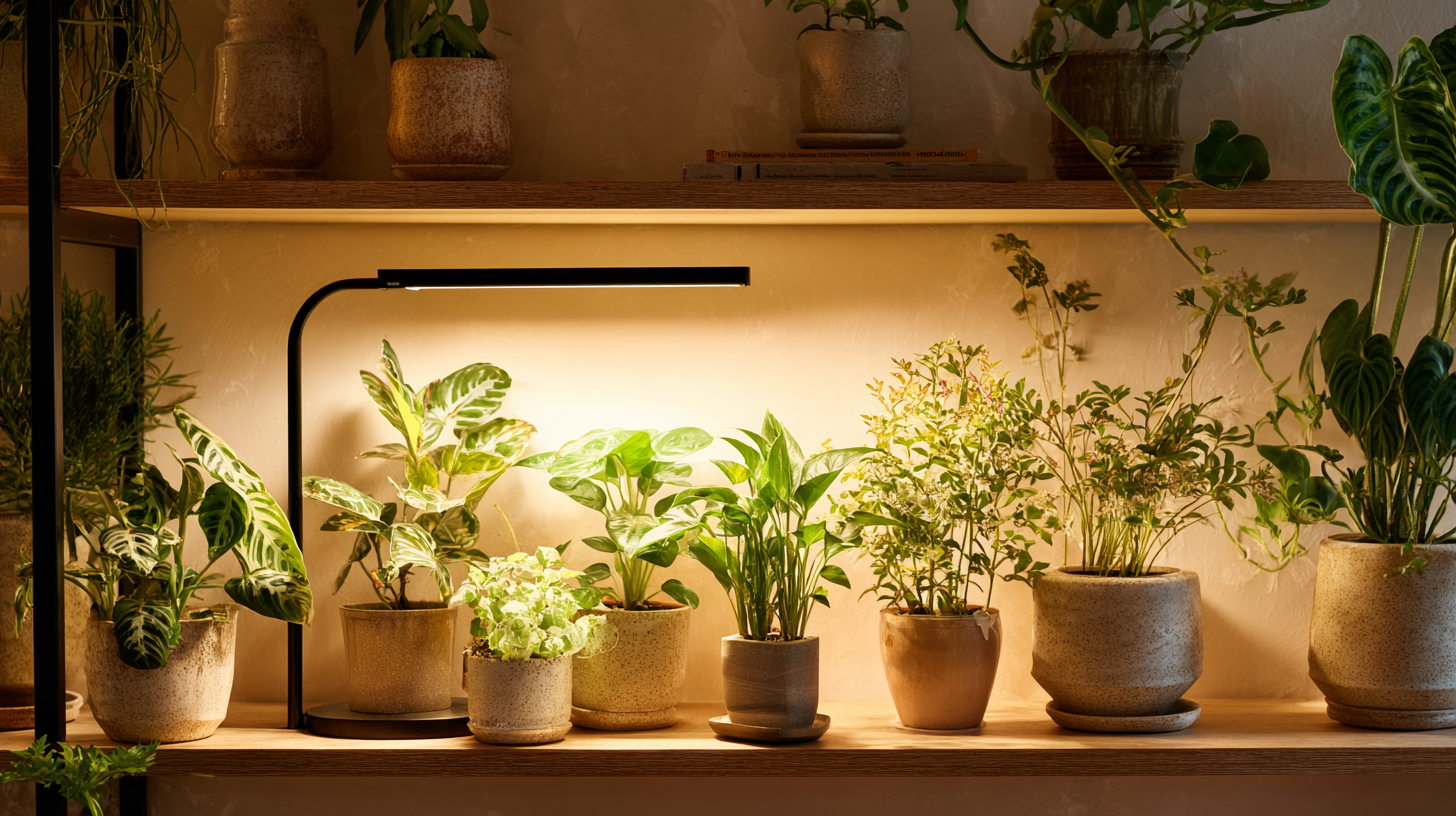
If your space doesn't have good natural light, artificial lighting can fill the gap.
What to Look For
- Full spectrum — Mimics natural sunlight (5000-6500K color temp)
- Enough output — At least 2000 lumens for a small area
- Timer capability — Plants need 10-14 hours of light, then darkness
Recommended Grow Lights
Budget Pick: Clip-On Grow Light
Good for 1-3 small plants. Easy to position, cheap to try.
Aceple LED Clip Grow Light (~$15) →
Mid-Range: Light Panel
Covers more area, good for a shelf of plants.
Barrina Grow Light Panel (~$30) →
Shelf Setup: LED Shop Lights
Affordable way to light an entire shelf unit.
Barrina LED Shop Light 4-Pack (~$40) →
💡 Distance matters: Grow lights lose intensity fast with distance. Keep them 6-12 inches from foliage for best results.
Quick Reference: Common Plants
| Plant | Light Need | Notes |
|---|---|---|
| Pothos | Low to Med | Survives anywhere, thrives with more |
| Snake Plant | Low to Bright | Incredibly tolerant |
| Monstera | Med to Bright | More light = bigger fenestrations |
| Fiddle Leaf Fig | Bright | Drama queen, needs consistency |
| Succulents | Bright to Direct | Will stretch without enough light |
| Calathea | Medium | Burns easily in direct sun |
| Ferns | Low to Med | Bright indirect works, no direct |