💨 Humidity Guide
Why your tropical plants hate your dry apartment
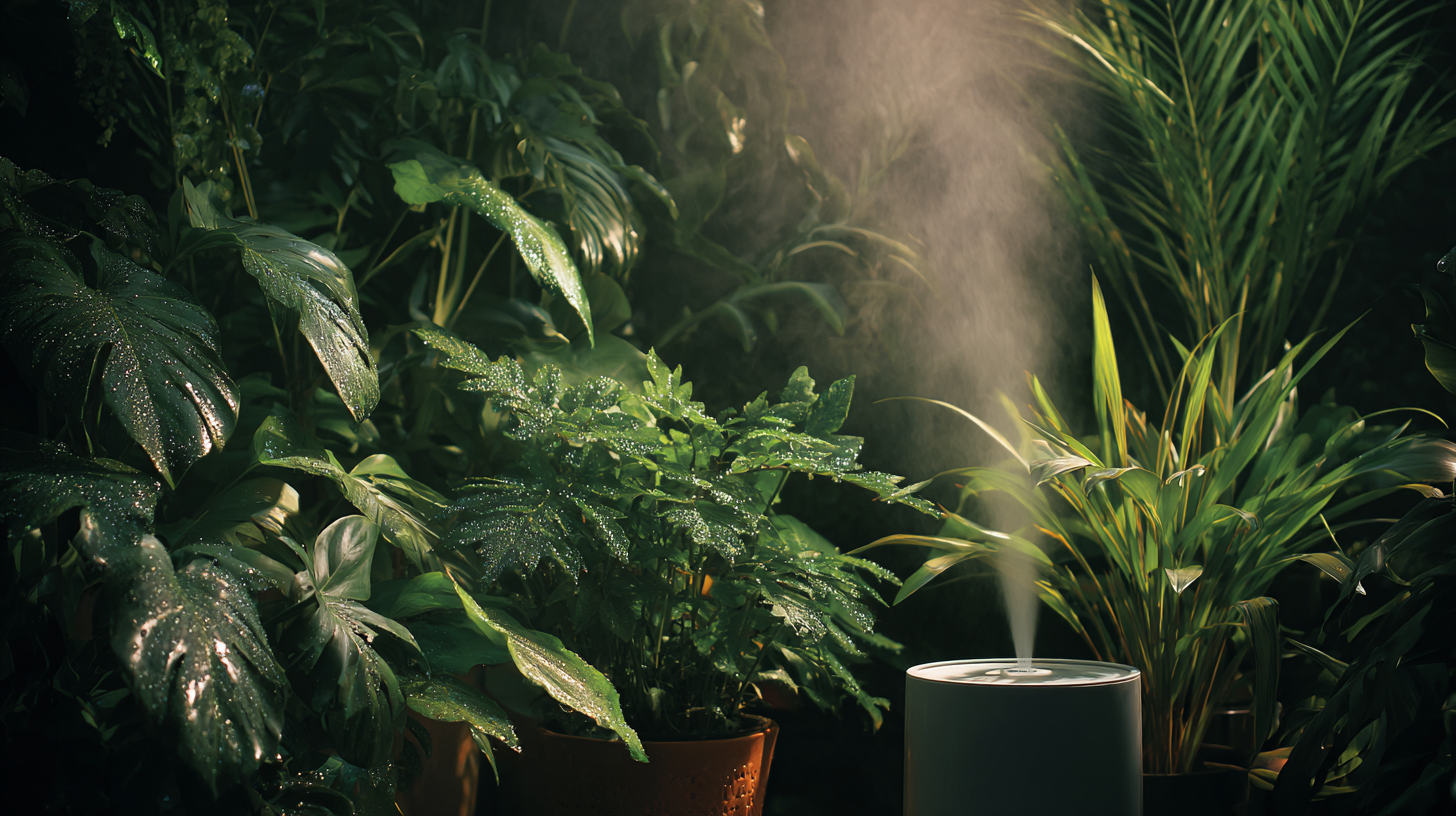
The Humidity Problem
Most homes sit at 30-50% humidity. Your tropical plants came from jungles running at 60-80%+.
In winter, when heating kicks in, indoor humidity can drop to 20-30%. That's desert-level dry. Your calathea is not amused.
Do You Actually Need More Humidity?
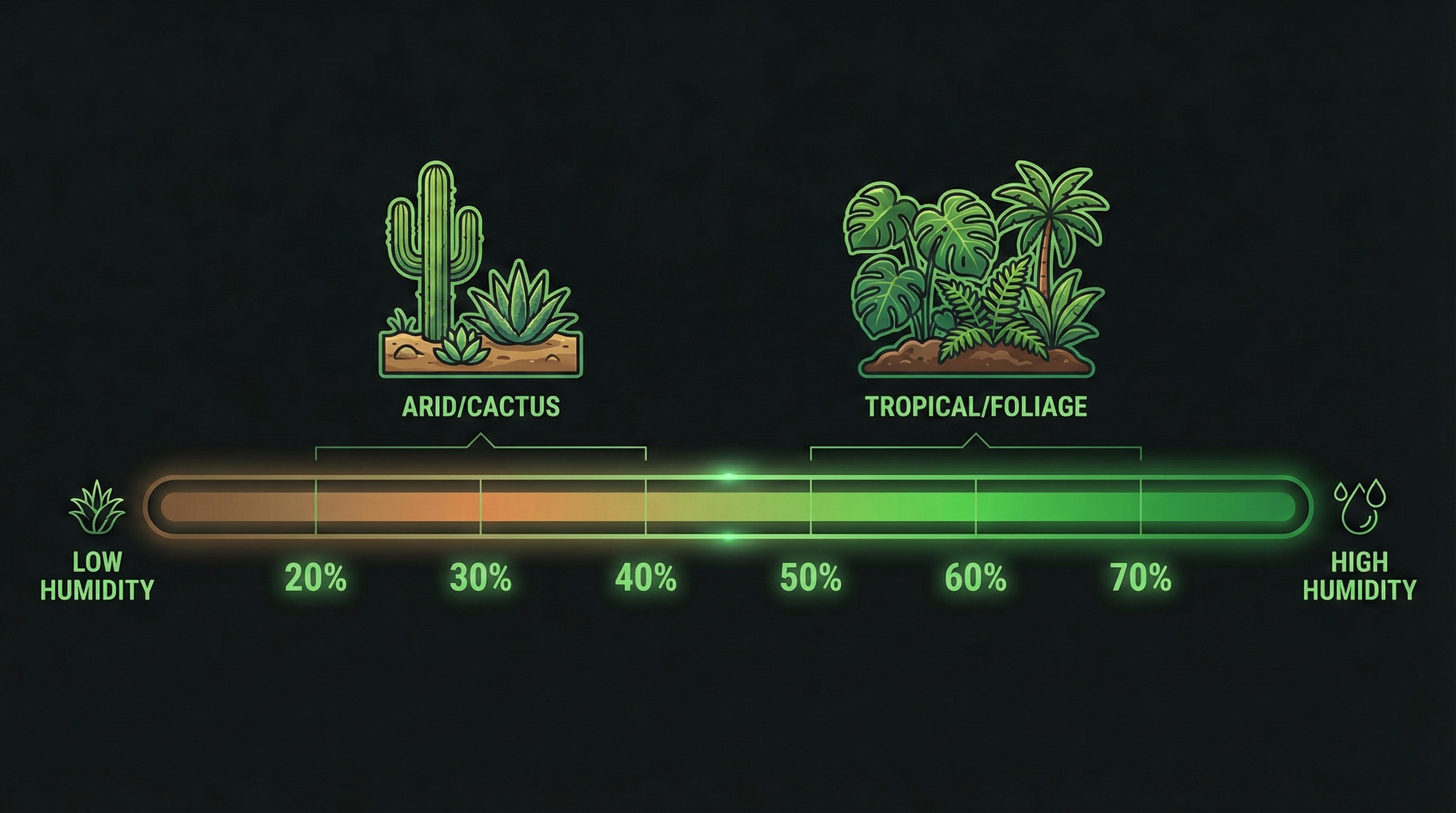
Not every plant cares. Before you buy a humidifier, check if your plants actually need it.
Plants That NEED Higher Humidity (50%+)
- Calathea / Maranta (prayer plants)
- Ferns (maidenhair, Boston, bird's nest)
- Alocasia
- Anthurium
- Orchids
- Air plants (Tillandsia)
Plants That PREFER It But Survive Without
- Monstera
- Philodendron
- Pothos (will get bigger leaves with humidity)
- Peace lily
- Rubber plant
Plants That Don't Care
- Snake plant
- ZZ plant
- Succulents (actually prefer dry)
- Cacti
- Dracaena
Signs Your Plant Needs More Humidity
- Brown, crispy leaf edges — classic sign, especially on thin-leaved plants
- Leaves curling inward — trying to reduce surface area
- Brown tips — similar to crispy edges
- Leaves turning yellow and dropping — stress response
- Spider mite explosion — they thrive in dry air
- New leaves emerge damaged or stunted
The Humidity Troubleshoot
Before blaming humidity, rule out:
- Underwatering — similar symptoms
- Too much direct light — can cause crispy edges
- Fertilizer burn — causes brown tips
- Root problems — affects whole plant health
If you've ruled those out and your humidity is below 40%, that's probably it.
How to Measure Humidity
Don't guess. Get a hygrometer.
ThermoPro Digital Hygrometer (~$10) →
Place it near your plants, not across the room. Microclimates exist — a plant by a drafty window has different humidity than one in your bathroom.
How to Increase Humidity
Method 1: Humidifier (Most Effective)
The real solution. Consistently raises humidity in the area.
What to look for:
- Cool mist (safer, no burn risk)
- Large enough tank (small ones need refilling constantly)
- Easy to clean (mold is a thing)
Budget pick: Levoit Classic 160 Ultrasonic Humidifier (~$40) →
Bigger space: Levoit OasisMist 1000S (~$90) →
Method 2: Pebble Tray (Modest Help)
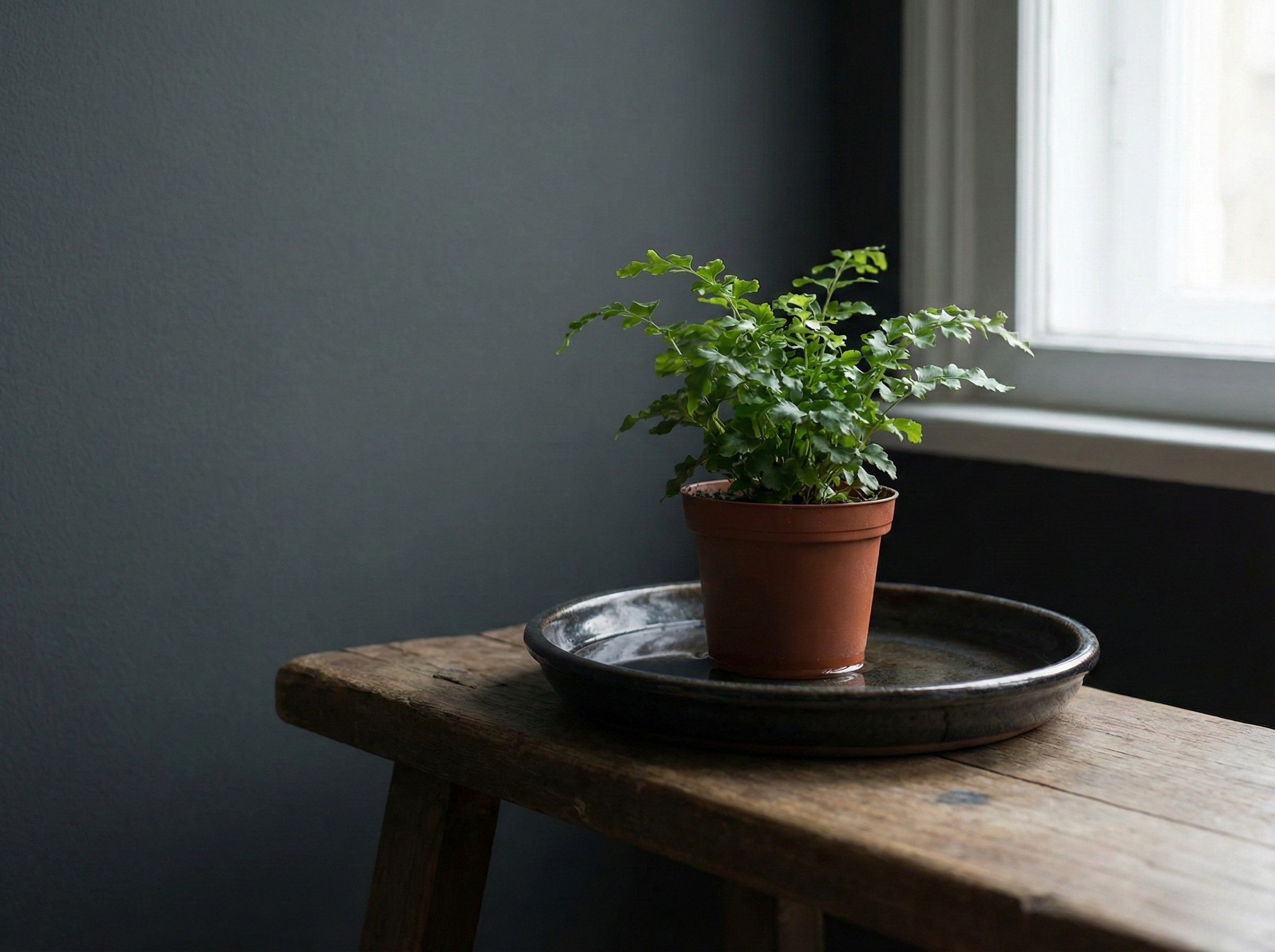
A tray of pebbles with water underneath your plant. As water evaporates, it raises humidity around the plant.
How to set it up:
- Get a shallow tray or saucer
- Fill with pebbles or LECA
- Add water until just below the top of the pebbles
- Set your pot on top (pot should NOT sit in water)
- Refill as water evaporates
Reality check: This raises humidity by maybe 5-10% in the immediate area. It helps, but it's not a humidifier replacement.
LECA Clay Pebbles (for trays) →
Method 3: Grouping Plants
Plants release moisture through transpiration. Grouping plants together creates a microclimate with slightly higher humidity.
How much does it help? Modestly. 5-10% increase. Better than nothing, and your plant shelf looks cool anyway.
Method 4: Bathroom/Kitchen Placement
Naturally more humid rooms. If your humidity-loving plant can handle the light conditions, these rooms are ideal.
Caveats:
- Bathrooms often lack light — not all plants will work
- Temperature swings from showers
- Kitchen humidity is intermittent
Method 5: Misting (Controversial)
The controversy: Misting temporarily raises humidity for minutes, then it's gone. Meanwhile, water sits on leaves, which can promote fungal issues.
The verdict: If you must mist, do it in the morning so leaves dry before evening. But honestly, a humidifier is better.
What Doesn't Work
"Humidity trays" with no evaporation surface
Just putting a bowl of water nearby doesn't do much. The evaporation surface is too small.
Misting once a day
See above. Minutes of humidity, hours of nothing.
Covering plants in plastic
Works short-term (propagation, hospital mode for a sick plant) but not sustainable. Plants need airflow.
Room-by-Room Strategy
High-Humidity Zone (60%+)
Put your calatheas, ferns, and alocasias here. Use a humidifier, pebble trays, and group them together.
Medium Zone (40-50%)
Most tropicals will be fine here. Monstera, philodendron, pothos will thrive.
Dry Zone (30-40%)
Reserve for plants that don't care: snake plants, ZZ, succulents, cacti.
Seasonal Adjustments
Winter
- Heating destroys humidity (down to 20-30%)
- Run humidifier more often
- Move sensitive plants away from heating vents
- Group plants tighter
Summer
- Natural humidity is higher
- AC can still dry air, but less extreme than heating
- You might be able to turn off the humidifier
Humidity Quick Reference
| Humidity Level | What Thrives | What Struggles |
|---|---|---|
| 20-30% (dry) | Cacti, succulents | Everything tropical |
| 30-40% (average home) | Snake plant, ZZ, pothos | Calathea, ferns |
| 40-50% (comfortable) | Most houseplants | Maidenhair fern |
| 50-60% (humid) | Tropicals, ferns | Nothing |
| 60%+ (jungle) | Everything tropical | Succulents may rot |
Tools That Help
Hygrometer (Measure First)
ThermoPro Digital Hygrometer →