Hoya Care Guide — Wax Plants, Blooms & Why Collectors Can't Stop Buying Them
The wax plant that's been on your grandma's bookshelf for 40 years is finally getting the attention it deserves.
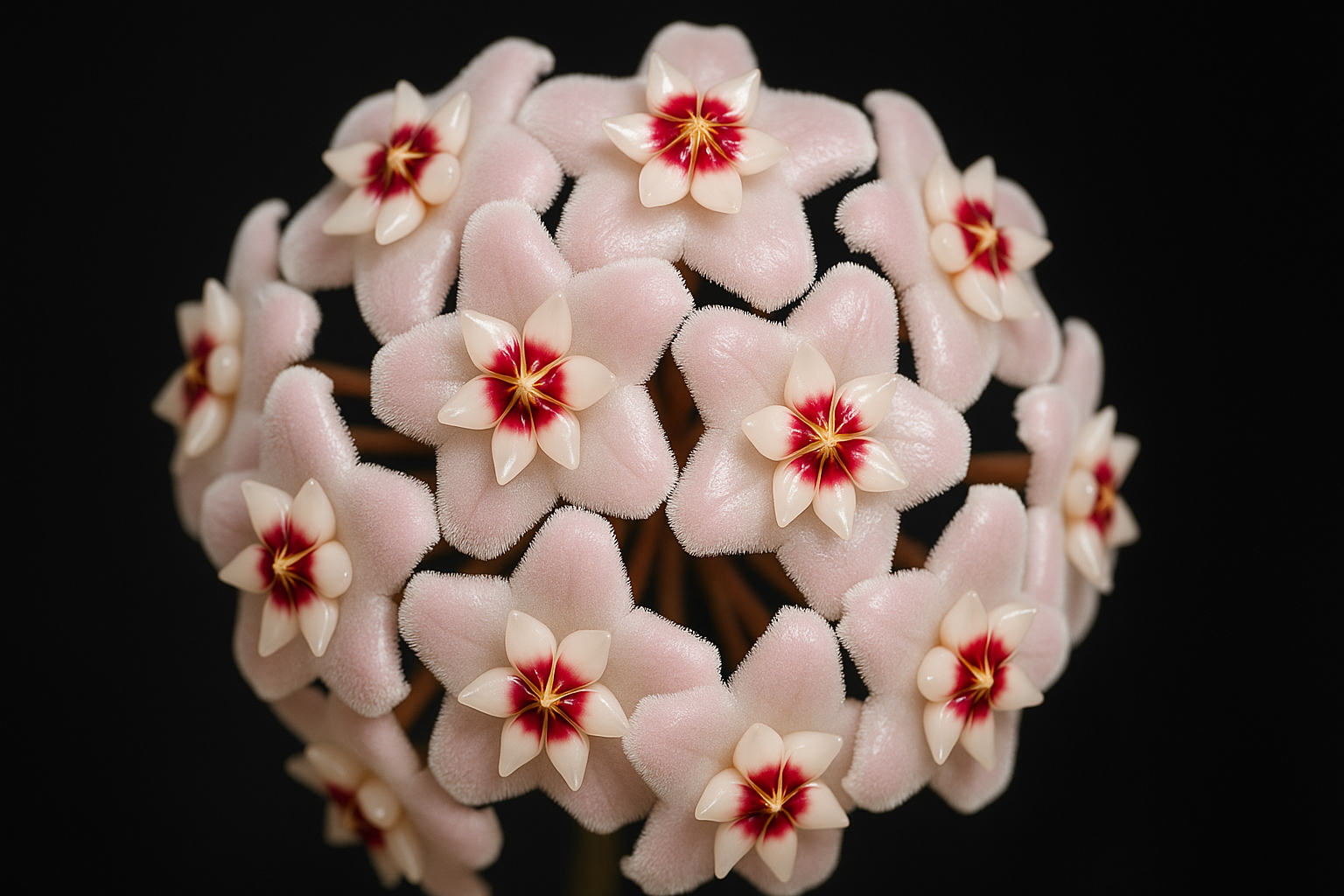
Why Hoya Is the Gateway Drug of Houseplants
Here's the thing about hoyas: they look like the kind of plant your grandmother kept in a ceramic pot on her bookshelf and forgot about for decades. And that's exactly what makes them dangerous.
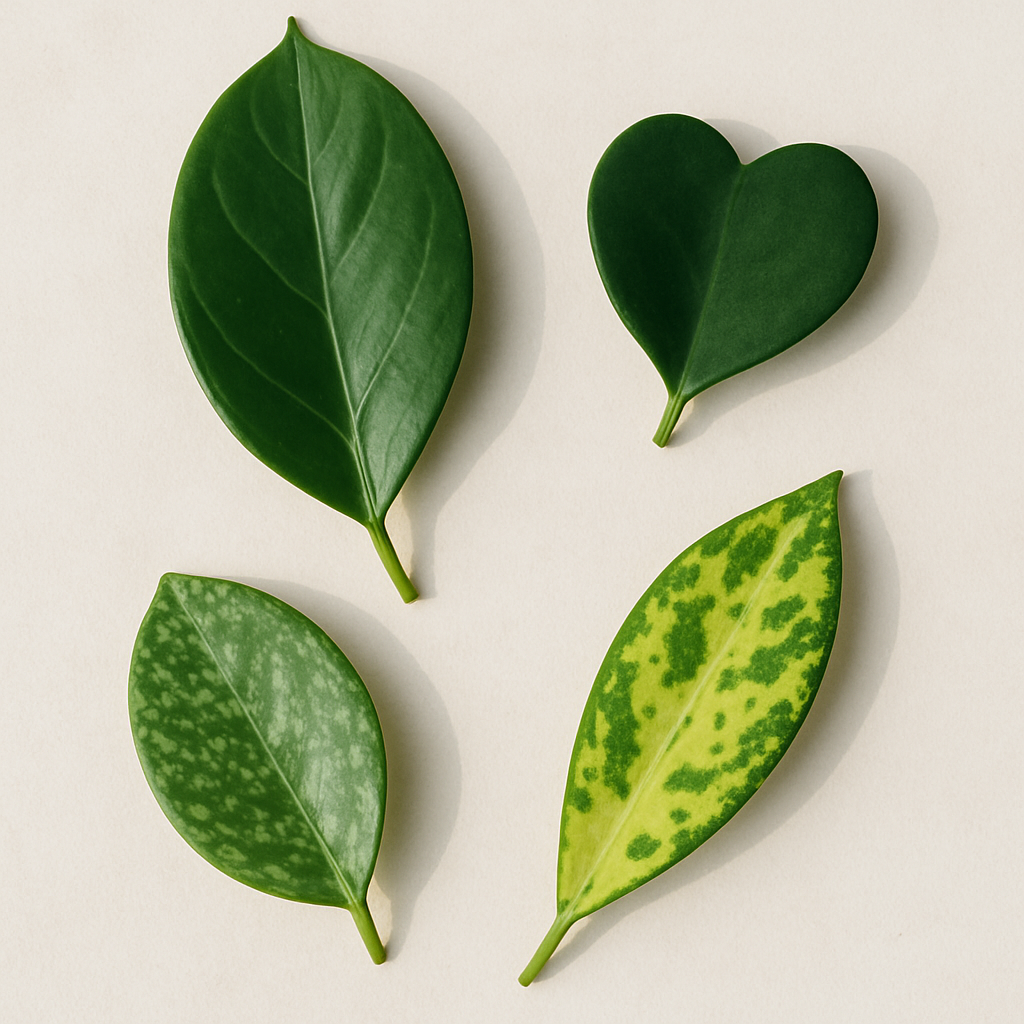
You start with one. It's fine. It's easy. It doesn't die even when you neglect it. Then you notice there's a whole world of hoya varieties — hundreds of species, thousands of cultivars, each with different leaf shapes, variegation patterns, and bloom colors. Some leaves are heart-shaped. Some are twisted like rope. Some are speckled, streaked, or edged in cream.
Suddenly you're on a Discord server trading rooted cuttings at 11 PM. You've joined a Facebook group specifically for Hoya kerrii variants. You have a "wishlist" and it's not a grocery list.
That's the hoya addiction. It starts innocent and ends with a shelf of 47 plants, each with a story about where you got it and how much you overpaid.
Hoya Care Basics: Light, Water & Soil
Light Requirements
Hoyas want bright indirect light. That's the non-negotiable. East-facing windows are ideal — they get morning sun (gentle) and spend the rest of the day in bright, indirect light. South-facing works too if there's some filtering (a sheer curtain, or the plant set back from the window).
Direct afternoon sun? It'll burn those pretty leaves. Morning sun is fine. If your plant is stretching (long gaps between leaves, smaller leaves), it's telling you it wants more light.
Some variegated varieties (looking at you, Hoya carnosa 'Krimson Queen') can handle a bit more direct light because the variegation helps protect the leaf surface. But when in doubt, err on the brighter side — hoyas are not low-light plants.
The Best Soil Mix for Hoyas
This is where most people mess up. Hoyas are epiphytes — in the wild, they grow on trees, not in soil. Their roots need air. Dense, moisture-retentive potting soil is a one-way ticket to root rot.
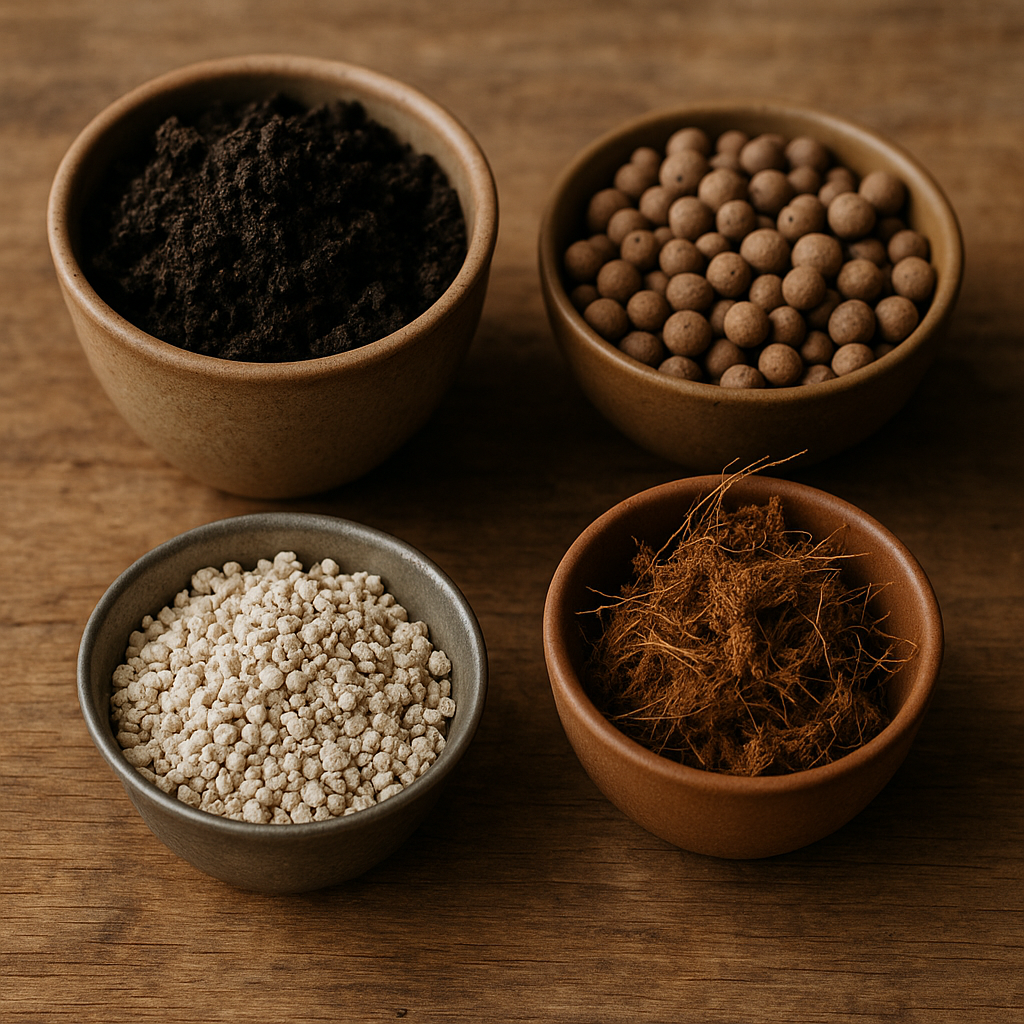
You need a chunky, fast-draining mix. Here's what works:
- Orchid bark (40-50%)
- Perlite (20-30%)
- Succulent or cactus mix (20-30%)
- Small amount of coco coir (optional, helps with moisture retention)
The goal: water should pour through in seconds, not minutes. If your soil stays wet for a week, it's too dense.
Get the chunky mix ingredients
Watering Your Hoya
The rule: water when the leaves start to feel slightly puckered or the top 2 inches of soil are dry.
Here's the thing about hoyas — they're semi-succulent. Those thick leaves store water. You can let them dry out more than you'd think. In fact, letting them stress slightly (leaves getting a tiny bit soft) actually encourages blooming.
The moisture meter is your friend here — especially if you're coming from plants that want consistently moist soil. Hoyas don't. They're drought-tolerant. If you're watering more than once a week in summer, you're probably overdoing it.
Check soil moisture accurately
How to Get Your Hoya to Bloom (Finally)
This is the question that haunts every hoya owner. You bought the plant. You gave it good light. It's been alive for years. But those waxy clusters? Nowhere to be seen.
Here's the honest truth: most hoyas need 2-7 years to reach blooming maturity. If you bought a small plant from a nursery, it might not be old enough. There's nothing you can do about this — it's biology.
But assuming your plant is mature, here's what actually encourages blooms:
Bright Light Is #1
No exceptions. If your hoya isn't in a bright spot, it won't bloom. Not east-facing window? Consider a grow light. A south-facing window with some direct morning sun is basically a bloom guarantee for most species.
Don't Prune the Tendrils
This is the mistake that costs people blooms. Those thin, wire-like tendrils? Those are where the flowers grow. If you cut them off because they look "undeveloped," you're cutting off next year's blooms.
The only thing you can remove is the peduncle — the thick stalk the flowers grew from — and only after the flowers have dropped and the peduncle has dried up naturally. Some people leave the old peduncle because it can rebloom from the same spot. Either way, don't cut it while it's still green and holding flowers.
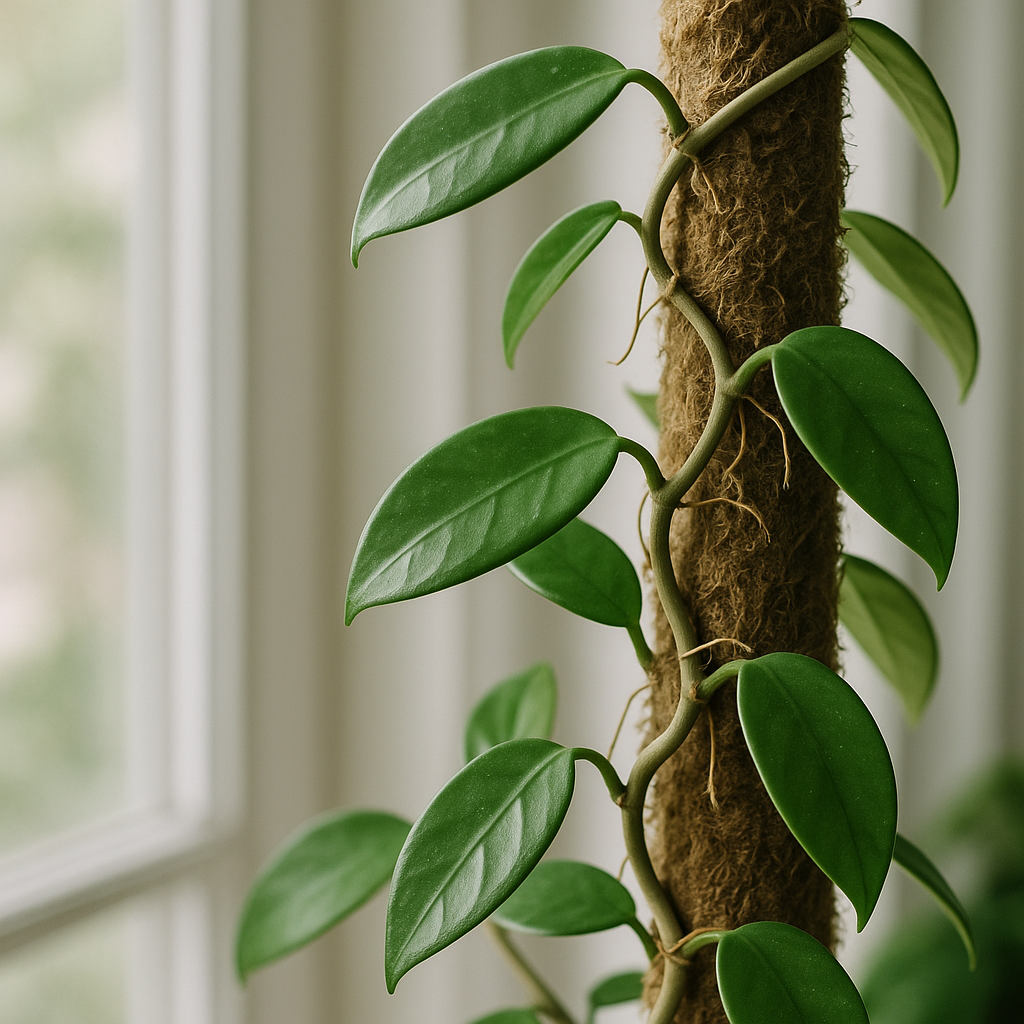
Give your hoya something to climb
Let It Get Root-Bound
Slightly cramped roots = more blooms. Don't repot every year. Let the root ball fill the pot. When you do repot, go up only one pot size, and expect the plant to focus on roots instead of blooms for a year after.
The "Don't Move It" Rule
Once you find a spot where your hoya is happy, leave it there. Moving the plant — even just rotating it — can disrupt bloom formation. The plant is adjusting to new light angles and will put energy into reorienting rather than blooming.
This is why you sometimes see huge, blooming hoyas in the worst possible spot (like a dark corner). The owner gave up trying to move it and it finally decided to flower.
Feed for Blooms
Use a phosphorus-heavy fertilizer during the growing season (spring-summer). Something like a 10-30-10 or orchid fertilizer. Don't overdo it — once a month is plenty. Too much nitrogen = big leaves, no flowers.
Common Hoya Problems & Solutions
Yellow Leaves
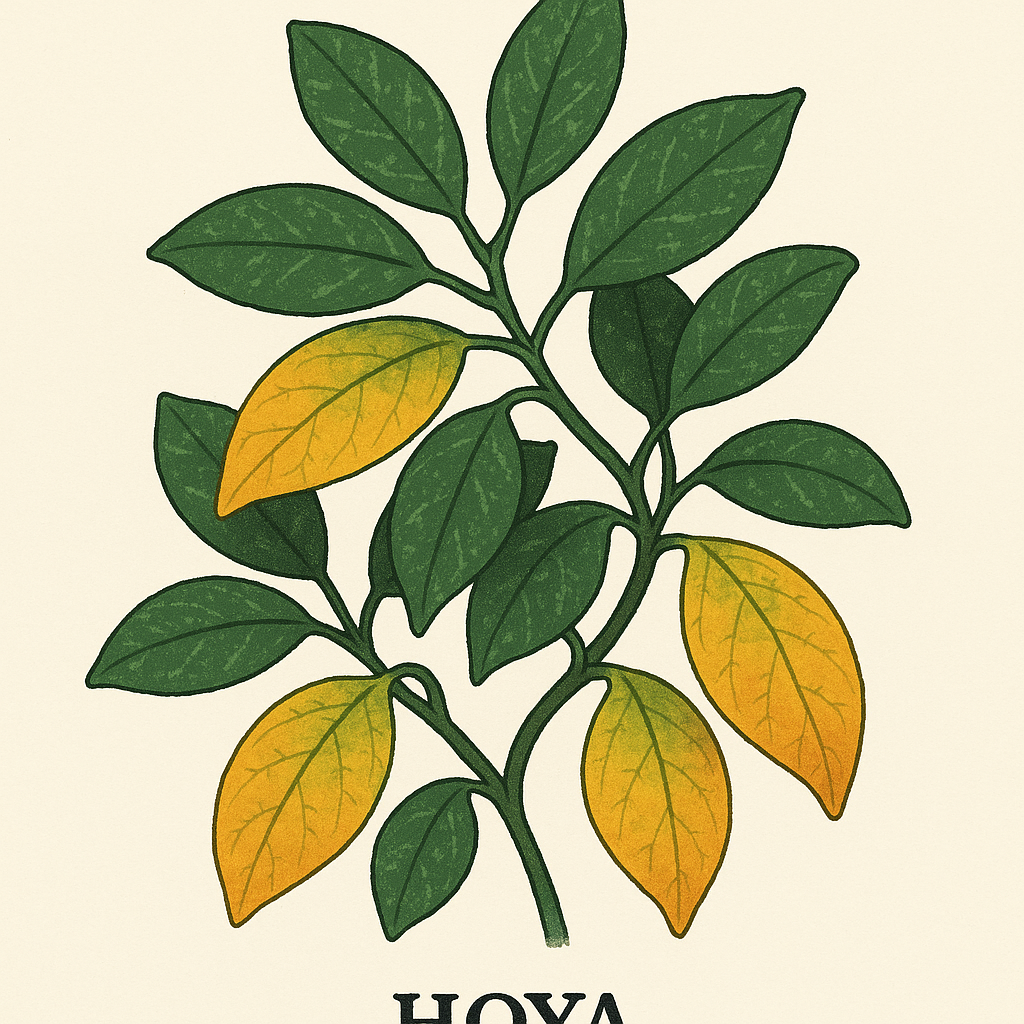
Yellow leaves on hoyas are almost always overwatering. Check the soil before you water again. If it's still moist, wait. If the soil smells funky or the roots are mushy, you've got root rot — cut back the damage, let it dry out, and repot into fresh chunky mix.
Occasionally, yellow leaves can mean the plant needs more light. But start with overwatering.
Leaf Drop
Sudden leaf drop usually means the plant was moved (temperature change, light change, location change). Hoyas hate being moved. If you just brought it home, give it time to settle. Consistent environment > occasional perfect conditions.
No New Growth
If your hoya is just sitting there, not pushing new leaves:
- Not enough light — move it brighter
- Needs fertilizer — feed during growing season
- Too big for its pot — if it's severely root-bound, it can't grow
- Wrong soil — if it's in dense soil, roots aren't healthy
Popular Hoya Varieties to Start With
Not sure where to start? Here are the ones that earned their place in the hoya community:
Hoya carnosa
The classic. Waxy, deep green leaves. Tolerates neglect. Blooms in clusters of star-shaped flowers with a sweet fragrance. This is the "grandmother's plant" — the one that's been around forever because it just works.
Hoya kerrii
The heart plant. Thick, heart-shaped leaves. Often sold as single-leaf cuttings (which won't grow, but look cute in a pot). Full plants climb and can produce those iconic heart clusters.
Hoya obovata
Round, thick leaves, sometimes with silver splashes. Fast grower, easy bloomer. The Hoya obovata 'Splash' variety has beautiful variegation that's earned it collector status.
Hoya australis
A workhorse. Fast-growing, tolerant of lower light than most, blooms readily. Great for beginners who want to experience hoya flowers without years of waiting.
Hoya compacta (Hindu Rope)
Twisted, rope-like leaves that hang beautifully in a basket. The "hindu rope" nickname comes from how the leaves curl and stack. Slower to bloom, but stunning when it does.
Why Collectors Keep Buying More
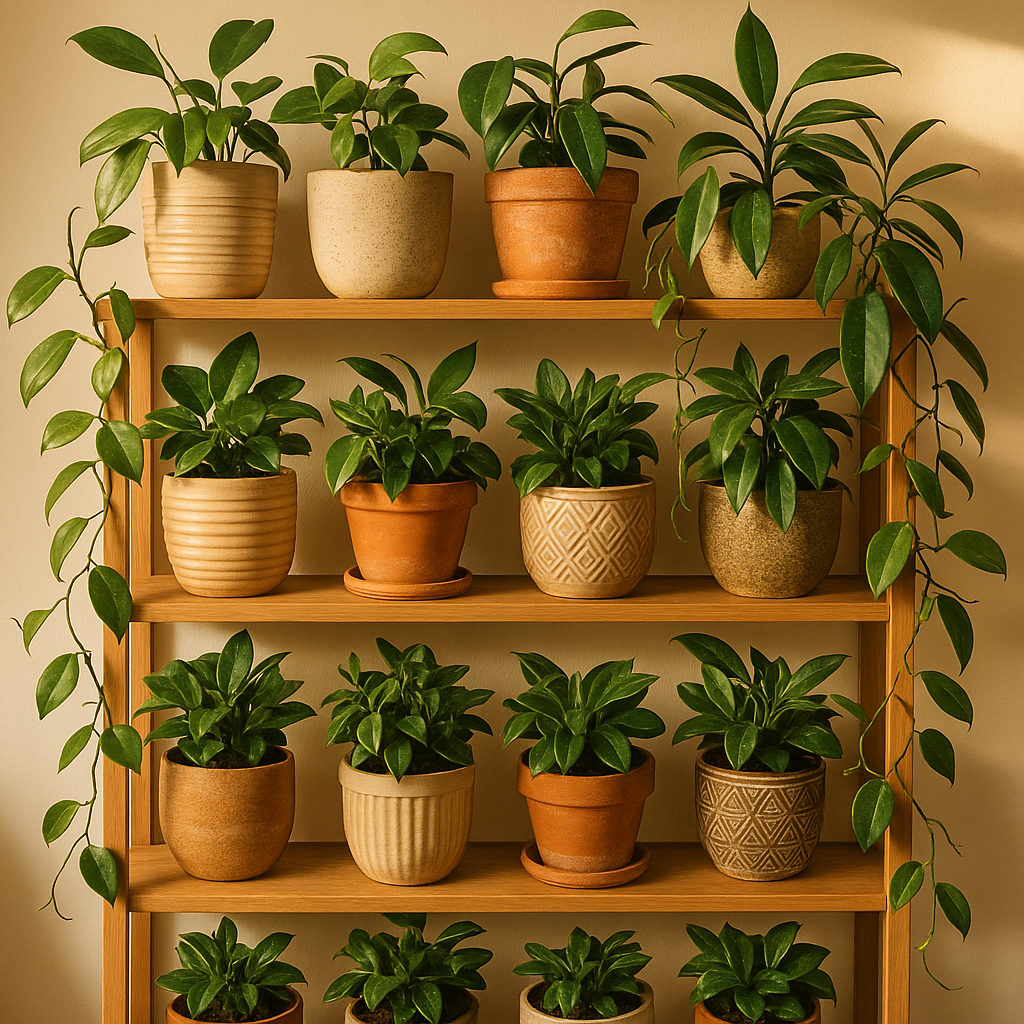
It starts with one plant. It ends with a rotation system.
The hoya community is thriving because:
- Species variety — There are hundreds of species, each with unique leaf shapes, textures, and growth habits
- Cultivar obsession — Same species, different variegation, different patterns. Collectors chase rare mutations
- The hunt — Some varieties are nearly impossible to find, making scoring one feel like winning
- Trading culture — Rooted cuttings trade hands in Facebook groups, Discord servers, and local plant swaps. It's a whole economy
The result? You end up with more hoyas than you planned, each one different, each one with its own care quirks. And somehow, you need more shelf space.
Bottom Line
Hoyas aren't like other houseplants. They don't demand constant attention. They don't die if you forget to water them for a week. They just... wait. And grow slowly. And eventually, when they're good and ready, they reward you with clusters of waxy, star-shaped flowers that smell like honey.
The key is patience. Bright light. Chunky's soil. Don't move it. Wait.
And accept that you'll probably end up with more than one.
Ready to dive deeper? Check out our guide to propagating houseplants to grow your hoya collection for free.