How to Move Plants Safely — Complete Relocation Guide for Plant Parents
The move is already stressful. Don't let your plants become collateral damage.
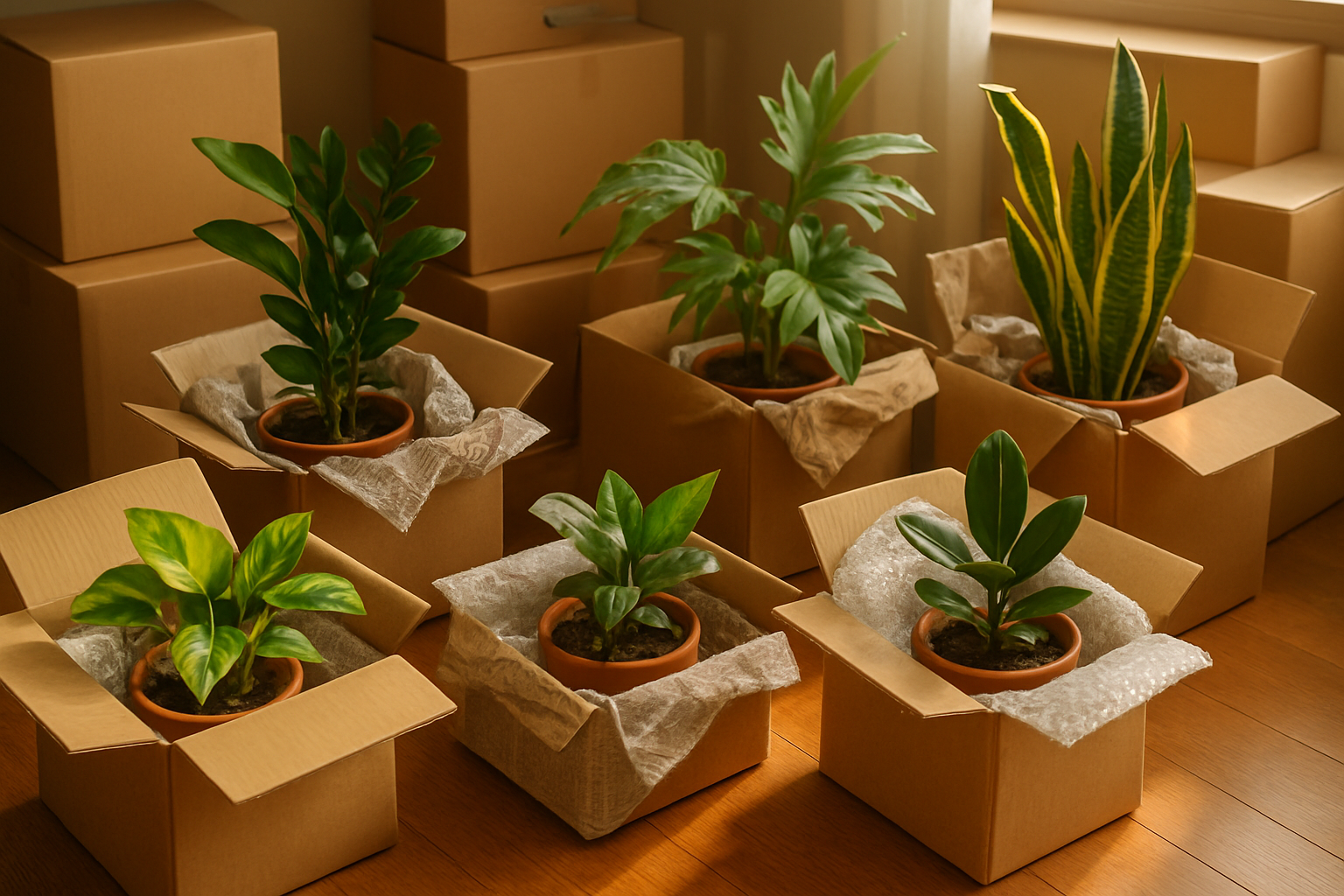
2-3 Weeks Before: The Prep Phase
Let's be real — you can't just grab your plants and throw them in a box the morning of your move. That way lies tragedy. Give yourself at least two weeks to prepare, and you'll thank yourself later.
The priorities:
-
Repot into lighter, durable pots. Terra cotta is heavy. Ceramic is heavier. Those plastic nursery pots your plant arrived in? That's the move-friendly option. Lightweight, stackable, and if one cracks, you're out $3, not $40. Shop Nursery Pots on Amazon
-
Prune aggressively. Remove dead leaves, yellowing foliage, and any obviously struggling growth. Your plant's energy should go to recovery, not trying to keep dying leaves alive through a traumatic road trip.
-
Check for pests. This is not the time to bring hitchhikers. Inspect stems, leaf undersides, and soil surface. If you find anything — treat it now, not later. You'll thank yourself when you're not doing pest control in an empty apartment.
-
Water sparingly. Pack plants when the soil is moist but not dripping. Soggy soil = root rot in transit. Bone-dry = crispy roots. The sweet spot is "damp enough to not stress, dry enough to not slosh."
Triage: What to Leave Behind
Here's the part no one wants to talk about: some plants aren't worth saving.
If a plant is already struggling, pest-ridden, or just barely hanging on — maybe let it go. You're moving to a fresh start, not dragging dead weight across state lines. Actually, "dragging dead weight" is pretty accurate for that 6-foot fiddle leaf fig that's been fighting you for two years anyway.
Consider leaving behind if:
- It's already half-dead or constantly dying
- It's a boundary plant (looking at you, aggressive pothos that took over the ceiling)
- It's in a heavy ceramic pot you hate anyway
- It's one of 47 identical succulents and you're only sentimental about one
The survivors will be more resilient, and your new home won't feel like a museum of past plant failures.
Packing Day: Materials and Techniques
Now for the fun part. You'll need:
- Boxes — Bankers boxes work for smaller plants. For anything over 12", you'll want something deeper.
- Newspaper or packing paper — Wrap soil surface to keep dirt in, leaves protected.
- Bubble wrap — For cushioning and wrapping large leaves. Shop Bubble Wrap on Amazon
- Plastic bags — Extra soil, in case of spillage.
- Masking tape — Not too tight, just enough to hold everything together.
For small plants (under 10"): Pack 2-3 plants per box if they fit without crushing. Wrap each pot in newspaper, add cushioning between pots, and fill empty spaces so nothing shifts. Poke a few holes in the box for airflow.
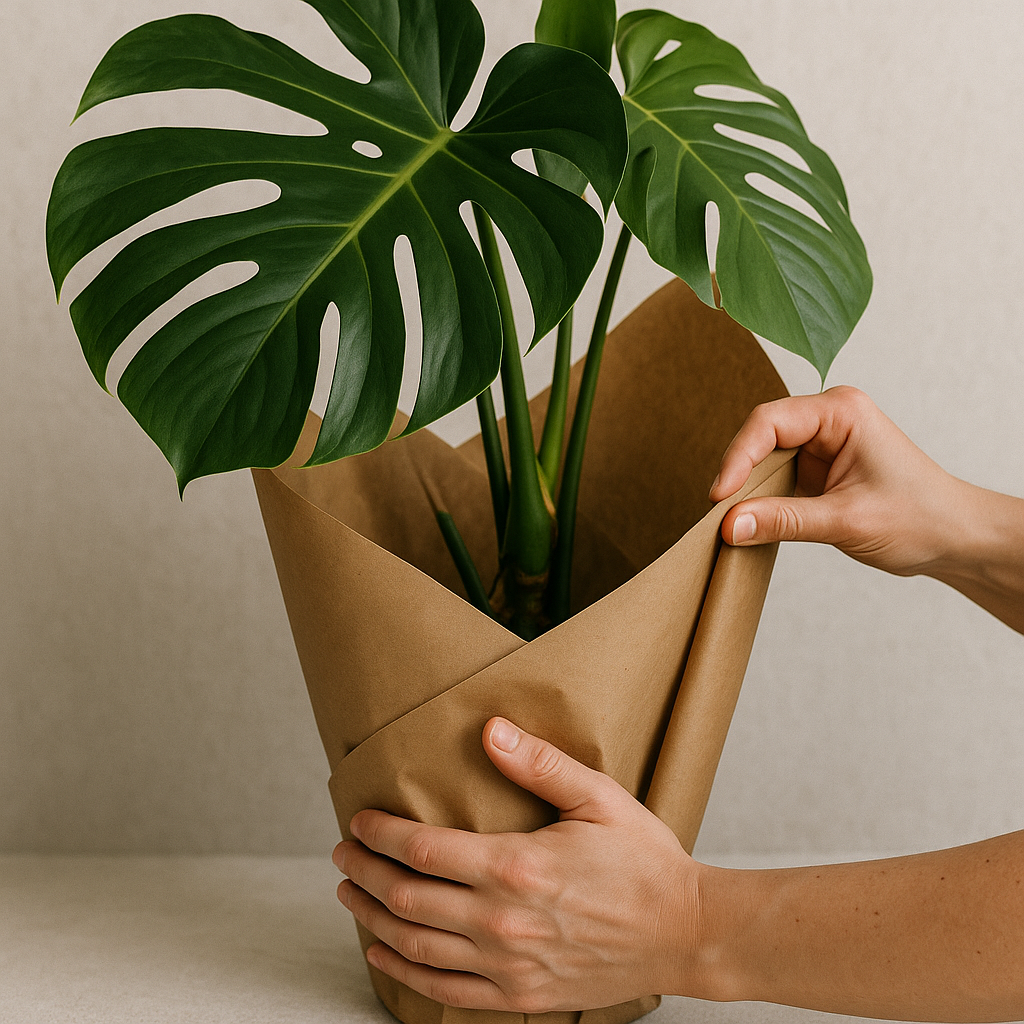
Wrapping Large Plants Like a Pro
Large specimen plants (5'+ monstera, fiddle leaf fig, bird of paradise) need more thought. You can't just box them.
The wrap method:
- Water 2-3 days before so soil is damp but not wet
- Gently tie up long leaves with soft plant ties or soft twine
- Wrap the whole thing in brown kraft paper or bedsheet — think "Christmas gift" not "cocoon"
- Secure with tape (loosely — you want airflow)
- Pot goes in a box or onto a plant cart if you're wheeling it
The goal: protect leaves from crushing, allow airflow, and keep the plant upright. Horizontal travel is harder on plants than you'd think — the stress of being sideways messes with their internal systems.
Transport: Getting Your Plants to the New Home
How you move your plants matters. A lot.
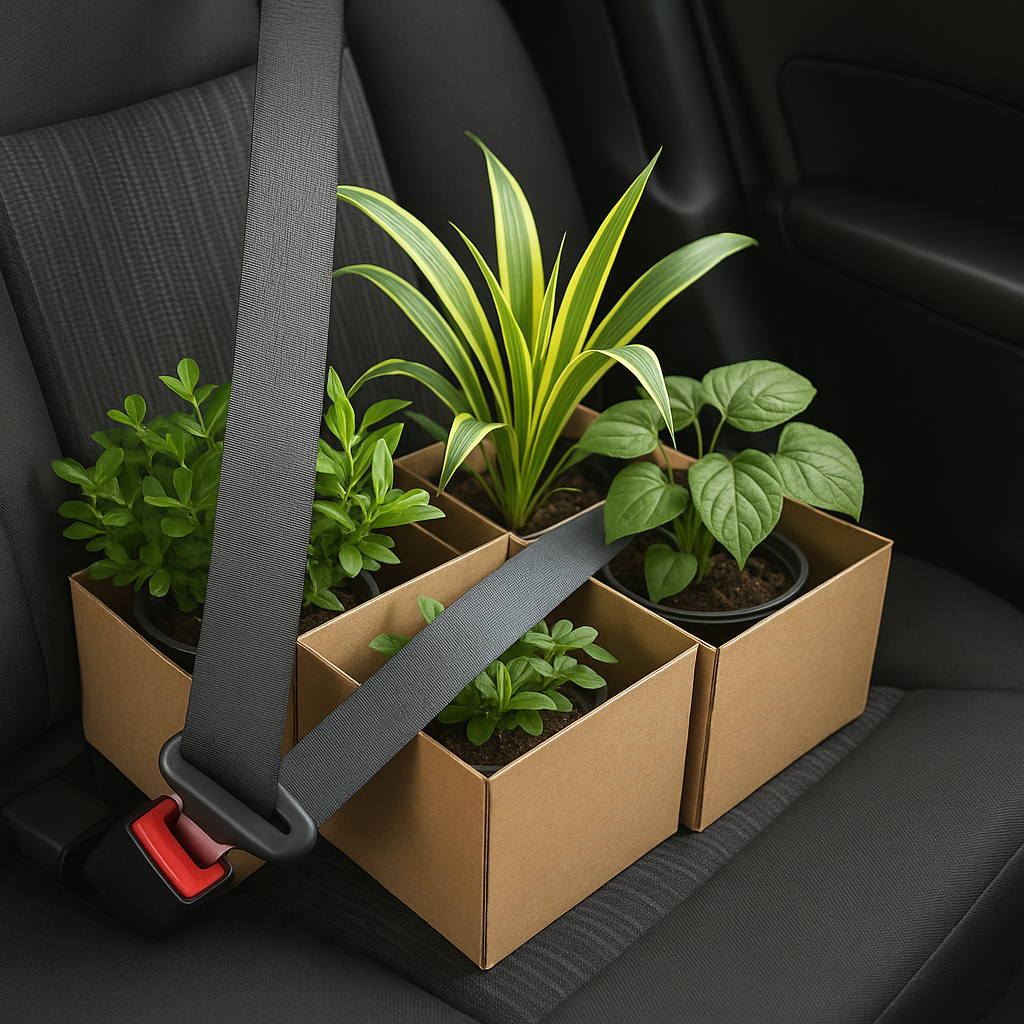
Temperature Control During Transit
This is where most plant moves go wrong. Temperature shock kills more plants than anything else.
Summer moves:
- Never leave plants in a parked car. Even with windows cracked, interior temps hit 150°F in 20 minutes. If you have to make a pit stop, take plants with you or park in shade.
- Air conditioning is your friend. Don't blast it directly on plants, but keep the car cool.
Winter moves:
- This is the harder scenario. Below 45°F, tropical plants start suffering. Below 32°F, you have minutes before damage.
- Transport in the heated cab, not the moving truck or trailer
- Wrap pots in newspaper or towels for insulation
- Bring a blanket to cover plants if needed
- If it's below freezing and your drive is more than 2 hours, consider waiting for a warmer day or hiring a plant-specific courier
The rule: If you're comfortable, your plants are probably comfortable. If you're too hot or too cold, they're too hot or too cold too.
Interstate Regulations: What You Need to Know
Moving across state lines? Here's where things get annoying.
The USDA has regulations about moving plants across state borders, especially for agricultural pests and diseases. Most houseplants are fine, but:
- Some states require phytosanitary certificates — This is a document saying your plants are pest-free. You get it from your state's Department of Agriculture. Not cheap, not fast, not fun.
- Citrus plants are often restricted — Many states don't allow citrus in due to citrus greening disease. If you're moving a lemon tree from California to Florida, do your research first.
- Nursery plants from big box stores — These sometimes come with restrictions because they're considered agricultural products.
For most houseplant parents moving their personal collection? You're probably fine. But if you're moving a fiddle leaf fig that came from Florida and you're headed to Texas — maybe check first.
First 48 Hours at Your New Home
The move is done. Now what?

Unpack in this order:
- Check soil moisture — If it's bone dry, water. If it's still damp, wait.
- Inspect for damage — Broken stems, crushed leaves, stressed-looking growth
- Place strategically — Don't immediately put them in their "forever spots." Give them a week in a bright, stable location to recover from the shock
- Don't repot immediately — Let them settle. Repotting stress on top of move stress is a death sentence
What to look for:
- Wilting (normal, give it 24 hours)
- Yellowing leaves (possible overwatering during transit, check soil)
- Leaf drop (stress response, usually bounces back)
The Recovery Period: What to Expect
Your plants went through trauma. They're not going to look their best for a couple weeks. That's normal.
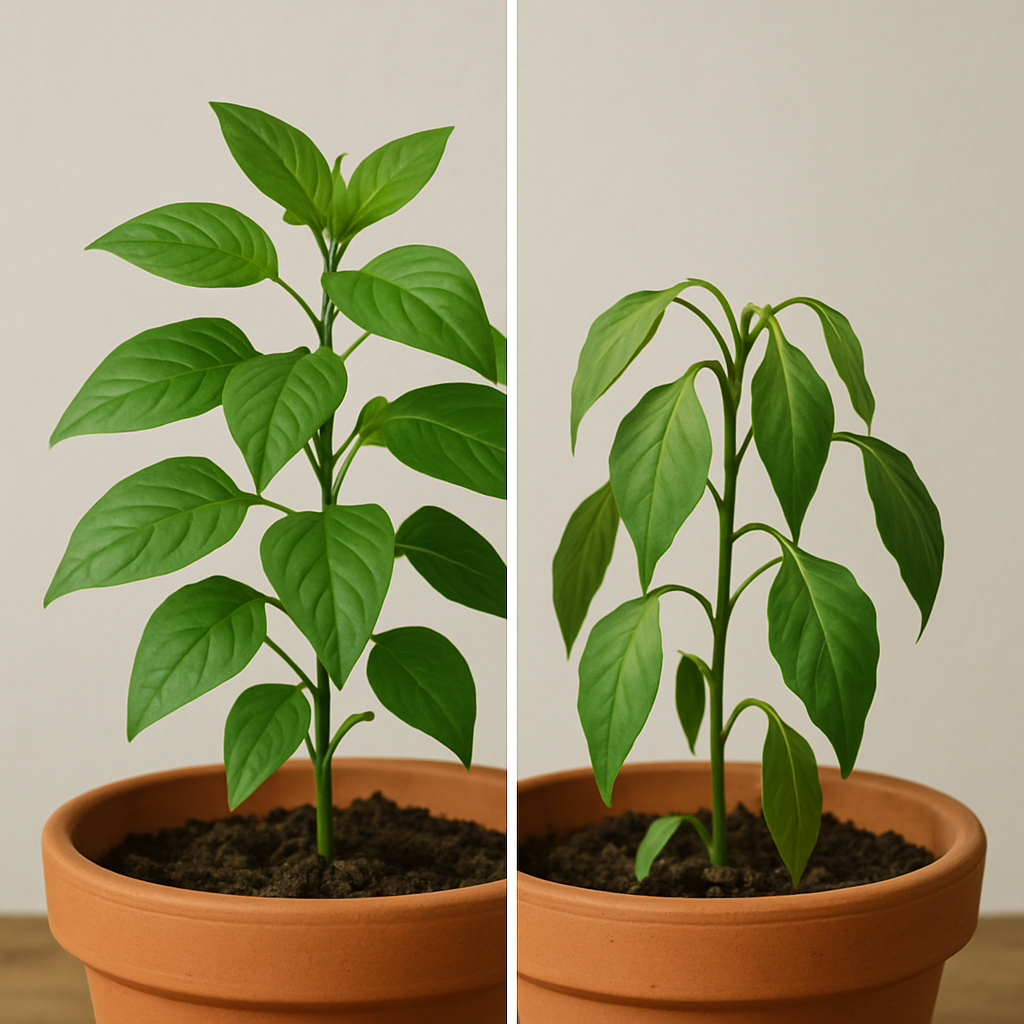
Normal post-move stress:
- Slight wilting
- A few yellow leaves
- Leaf drop (especially lower/mature leaves)
- No new growth for 2-4 weeks
Signs of serious trouble:
- Mushy stems (root rot)
- Completely crispy leaves (severe dehydration or heat damage)
- Persistent wilting despite moist soil (root damage)
- Moldy soil (too wet during transit)
Use a Check Plant Health After the Move to monitor soil moisture and avoid overwatering during recovery.
Post-Move Plant Quarantine
Yes, you need to do this. New environments mean new pest risks. Keep your plants isolated from any existing collection for at least two weeks. Check for pests weekly. If nothing shows up, you're good to integrate them with your other plants.
This is also a good time to give your existing plants a once-over. You don't want to accidentally introduce spider mites to your whole collection because one stressed plant brought friends.
When to Say Goodbye: Post-Move Triage
Sometimes a plant doesn't make it. It happens.
If a plant is clearly dying — mushy stems, total leaf drop, foul smell from soil — you can:
- Take cuttings — If there's anything viable, propagate it. A node from a dying monstera might still root.
- Compost it — Return it to the earth (unless it was pest-ridden)
- Accept it — Not every plant survives. You tried. The move claimed one, but the rest made it.
Don't beat yourself up. The plant that couldn't handle a move probably wasn't going to thrive long-term anyway. Focus on the ones that did.
You Can Do This
Moving with plants is an ordeal, but it's not impossible. The vast majority of houseplants survive a move if you:
- Prep 2-3 weeks ahead
- Avoid temperature extremes
- Pack for protection, not convenience
- Give them time to recover in the new space
Your green family made it to the new place with you. That's worth celebrating.
Need more plant care guidance? Check out our guides to fiddle leaf fig care, monstera care, and pest prevention.
Products We Love
These tools make moving plants way easier: