How to Care for Your Philodendron: The Complete Guide
Everything you need to keep your philodendron thriving — from watering disasters to humidity hacks.
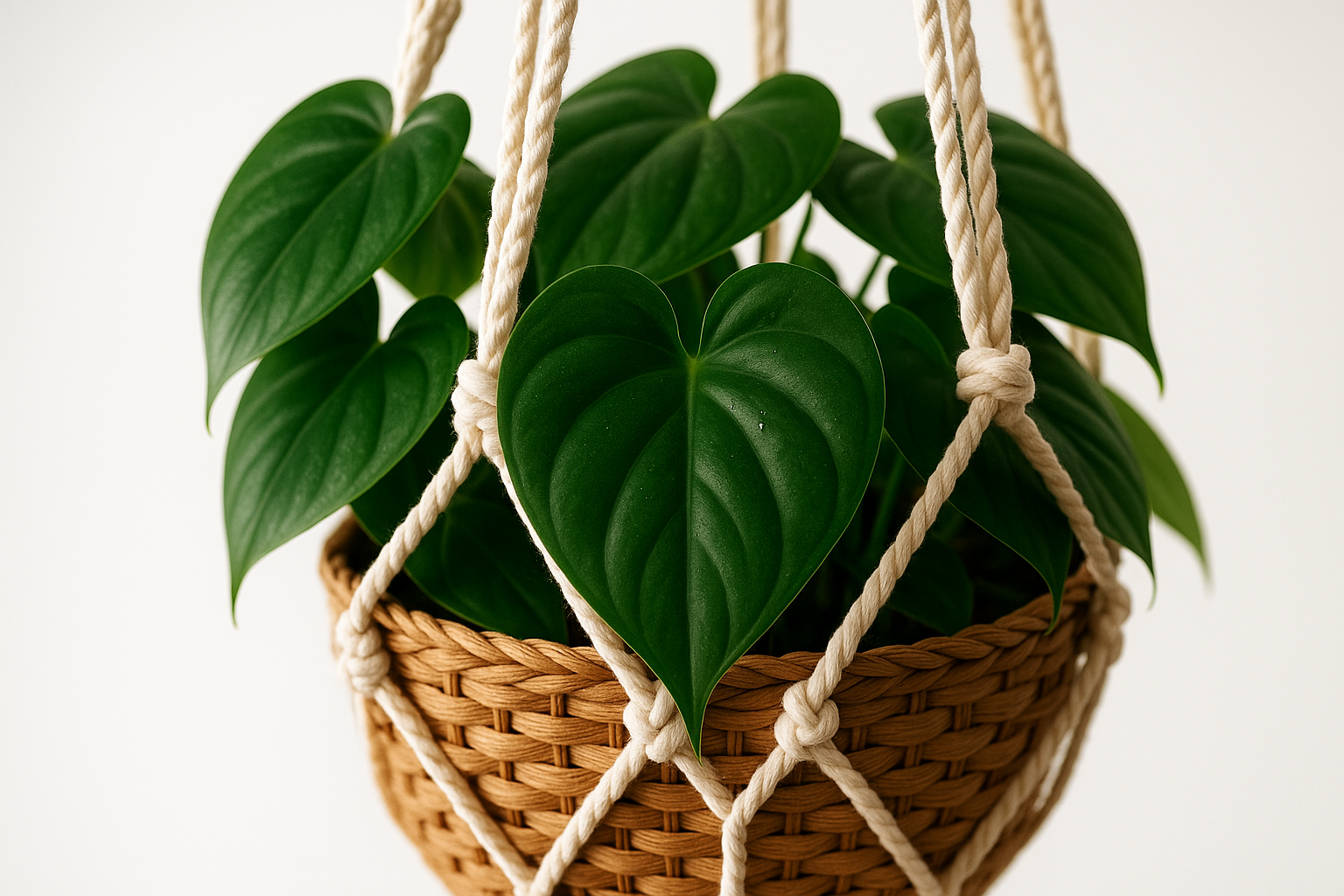
Why Philodendrons Are the Plant You Need
Look, I'm not going to pretend philodendrons are special because every plant person and their mother already knows about them. That's exactly the point.
Philodendrons earned their popularity the hard way — they're genuinely hard to kill. They forgive inconsistent watering. They tolerate low light (though they won't love it). They come in about 500 varieties (okay, botanically it's around 450, but it feels like 500).
Whether you're clutching your first heartleaf or you've got a full-on Selloum collection, this guide covers everything. We'll get into the vining vs. self-heading thing because that's the first fork in the road, and it actually matters for care.
Philodendron Types: Vining vs Self-Heading
Here's the thing most guides skip: not all philodendrons are created equal, and treating them the same is how you kill them.
Vining philodendrons trail or climb. They want something to vine up (or hang down from). These are the ones you see in macrame hangers or climbing moss poles:
- Heartleaf (Philodendron hederaceum) — The classic. Heart-shaped leaves, almost impossible to kill.
- Brasil — Variegated green and lime. Looks fancy, is equally tolerant.
- Lemon Lime — Bright chartreuse. Gives you confidence even when you're failing.
- Micans — Velvety leaves with bronze undertones. A little extra, but worth it.
Self-heading (upright) philodendrons grow in a rosette pattern. They don't trail — they clump. They generally want more space and more humidity:
- Selloum — Big, dramatic, deeply lobed leaves. Gets huge.
- Xanadu — More compact, denser growth. The polite version of Selloum.
- Birkin — White variegation that looks hand-painted. A bit dramatic about everything but stunning.
Knowing which type you have changes how you water, how you pot them, and whether you need a moss pole. Keep this in mind — we'll come back to it.
Support Your Vining Philodendron →
Light: The #1 Thing You're Getting Wrong
Philodendrons want bright indirect light. That's the phrase everyone throws around, but what does it actually mean?
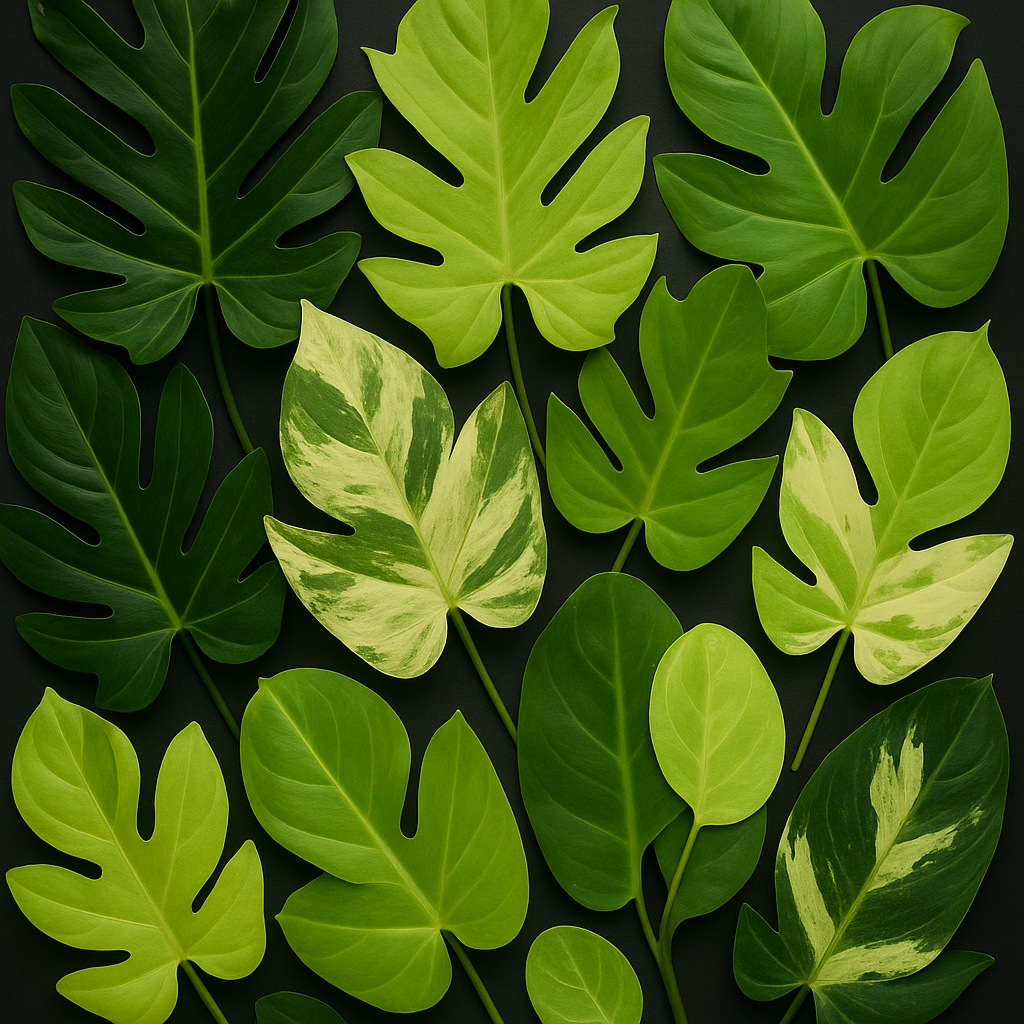
It means: close to a window, but not in the sun. Direct sun will scorch those leaves — you'll see brown patches or faded, bleached spots. Too far from a window and your plant gets leggy (long stems, small leaves, reaching for light).
The sweet spot:
- East-facing window: ideal. Morning sun is gentle.
- South or west: pull it back a few feet, or filter with a sheer curtain.
- North-facing: might work for heartleaf (most tolerant), but expect slower growth.
Signs your light is wrong:
- Too much: Brown scorched patches, faded bleached-looking leaves
- Too little: Leggy growth, small new leaves, variegation fading (on variegated varieties)
Low light ≠ no light. A bathroom with no windows is not "low light" — it's dark. Your philodendron will slowly die there. They are not ZZ plants.
Check out our lighting guide for more on bright indirect light explained.
Watering: The Goldilocks Problem
Here's where most people mess up: they're either watering too much or too little, and the plant is sitting there thinking "pick one."
The Top Inch Dry Method
This is the gold standard for a reason. Stick your finger in the soil up to the first knuckle. If it's dry, water. If it's moist, wait.
For most philodendrons in most conditions: 7-10 days between waterings is typical. But don't set a calendar reminder — check the soil.
The exception: Self-heading philodendrons (Selloum, Xanadu) tend to want slightly more moisture than vining types. They're thirstier. Don't let those dry out as much.
How to water properly:
- Water thoroughly until it drains from the bottom
- Empty the saucer after 20 minutes (philodendrons hate wet feet)
- Don't let them sit in water
Seasonal Watering Adjustments
Winter = slower growth = less water. Your plant is basically napping. Cut back to every 10-14 days depending on your home's humidity. Summer = thirstier. Every 5-7 days might be needed.
Also: if your philodendron is near a heat vent or in a dry room, it'll drink faster. Check the soil, not the calendar.
Humidity: The Secret to Lush Leaves
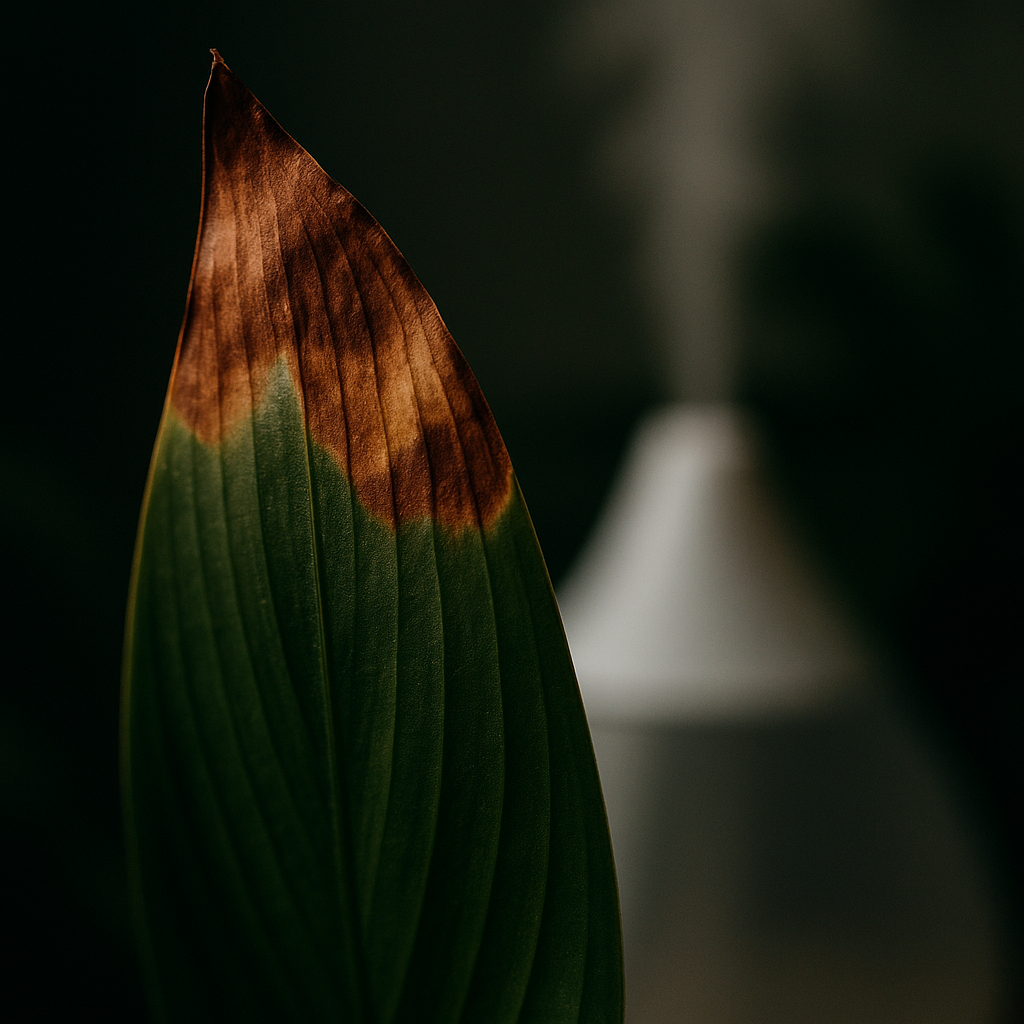
If your leaves are getting brown, crispy edges, humidity is almost certainly the culprit. Not underwatering. Not disease. Humidity.
Philodendrons are tropical. They want 50-60% humidity minimum. Most homes sit around 30-40% in winter (thanks, heating). That's a desert compared to what these plants are used to.
Target Humidity Levels
- Below 40%: Brown tips appear. Plant survives but looks rough.
- 50-60%: Happy place. Leaves get that glossy, lush look.
- Above 70%: Even better, but watch for fungal issues if airflow is poor.
Practical Humidity Methods
- Humidifier — The most effective solution. Run it near your plants, especially in winter.
- Pebble tray — Fill a tray with pebbles and water. The evaporating water raises humidity right around the plant. Not as effective as a humidifier, but better than nothing.
- Grouping plants — Plants transpire (release moisture), so clustering them creates a little humid microclimate.
- Bathroom or kitchen — These rooms are naturally more humid. Great for philodendrons if the light is decent.
Brown tips from low humidity are different from brown tips from salt buildup (mineral deposits from tap water). If your tips are brown but the rest of the leaf looks fine, try switching to filtered water for a few weeks and running a humidifier.
Soil & Potting Your Philodendron
Philodendrons are aroids, and aroids hate wet feet. That means drainage is non-negotiable.
The Perfect Aroid Mix
Your standard potting soil holds too much water. You want something chunky. Here's what works:
- Orchid bark (30-40%) — Adds drainage and air to the roots
- Perlite (20-30%) — Extra drainage insurance
- Coco coir or peat (20-30%) — Holds some moisture without getting soggy
- Worm castings (10%) — Optional, but adds nutrients
Or just grab a bag of Fox Farm or an aroid-specific mix. Yes, it costs more than the $4.99 miracle gro, but your plant will thank you.
When to Repot
- Roots coming out of the drainage holes
- Water runs straight through (root bound)
- Growth has slowed significantly despite good care
- It's been 12-18 months since last repotting
When you repot, go up only 1-2 inches in pot diameter. Too much extra soil = stays wet too long = root rot.
Fertilizer: Less Is More
Philodendrons are not heavy feeders. In fact, over-fertilizing is one of the fastest ways to kill them.
Growing season (spring/summer): Feed every 2-4 weeks with a balanced liquid fertilizer (10-10-10 or similar) diluted to half strength.
Dormant season (fall/winter): Stop fertilizing. The plant isn't growing, so it doesn't need the food. Excess nutrients build up in the soil and burn roots.
Signs of over-fertilizing:
- Brown leaf tips (can look like humidity damage)
- White crust on soil surface (salt buildup)
- Wilting despite moist soil
If you've over-fertilized: flush the soil with plain water several times to leach out the excess.
Common Problems & Solutions
Yellow Leaves: Overwatering vs. Underwatering
- Overwatering (most common): Yellow leaves that feel soft or mushy, often starting from the bottom. Soil stays wet too long. Solution: water less, check drainage, maybe repot into fresh dry soil if root rot has set in.
- Underwatering: Yellow leaves that feel crispy or dry, often accompanied by drooping. Soil pulls away from the pot edges. Solution: water thoroughly.
A note: if you have a self-heading philodendron like Selloum, they're more prone to yellowing from overwatering. Their root systems are more sensitive.
Brown Tips: Humidity vs. Salt Buildup
As mentioned above: low humidity = brown tips that start at the edges. Humidifier fixes this.
Salt buildup = brown tips from mineral deposits in tap water. Switch to filtered or distilled water, and flush the soil periodically.
Drooping Leaves: Thirsty vs. Root Rot
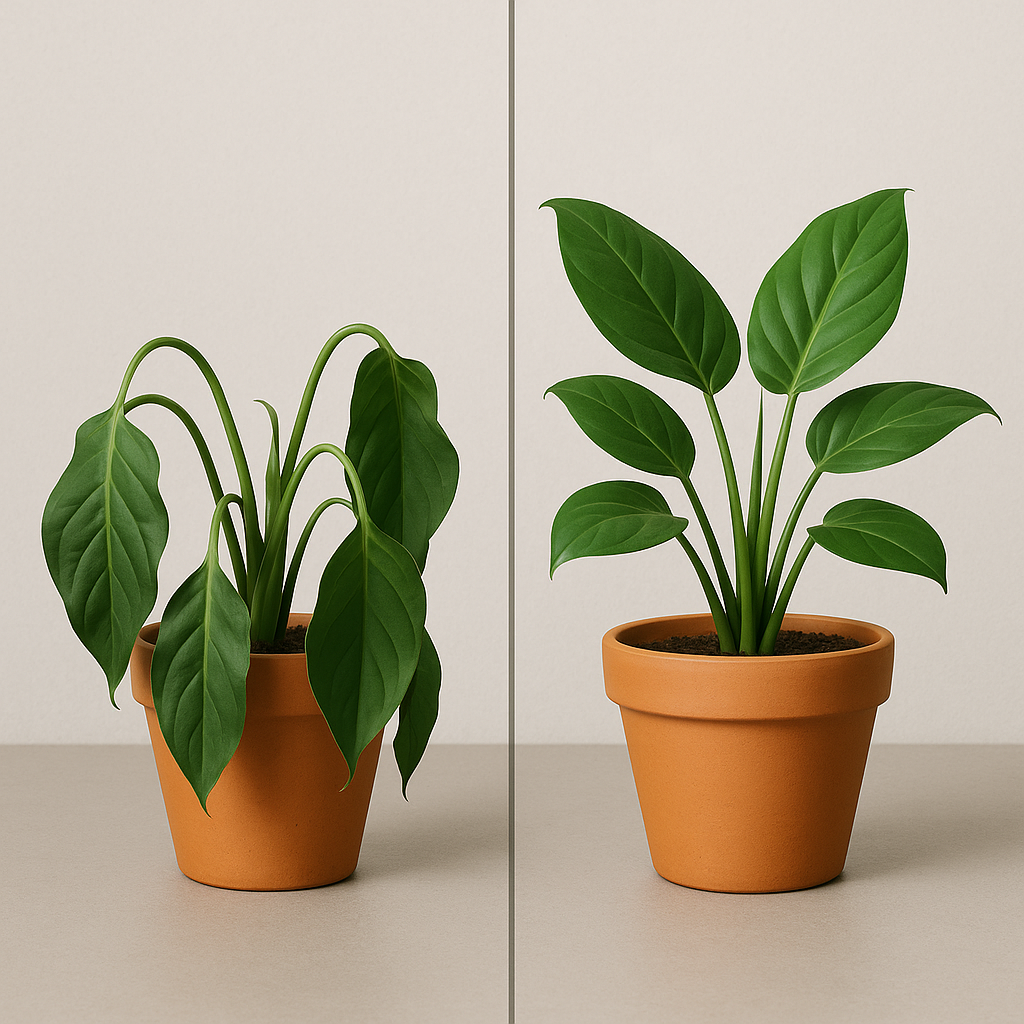
This is where people get confused. Both overwatering and underwatering can cause drooping.
- Thirsty: Soil is dry, leaves droop, plant perks up within hours of watering.
- Root rot: Soil is wet, leaves droop, plant does NOT perk up after watering. You might also smell rot or see mushy black roots.
If you're unsure, check the soil. If it's wet and the plant is drooping, you've got root rot and need to act fast.
Pest Control
Philodendrons aren't pest-magnets, but they can get:
- Mealybugs — White cottony fluff in leaf joints. Dab with rubbing alcohol on a q-tip.
- Spider mites — Tiny pests that leave fine webbing. Increase humidity (they hate moisture), wipe leaves down, spray with insecticidal soap.
- Scale — Brown bumps on stems. Scrape off, treat with neem oil.
Check your plants regularly. Catching pests early is way easier than dealing with an infestation.
For more detail, check out our Plant ER for philodendron-specific issues.
Propagation Basics: Grow Your Collection
Propagating philodendrons is stupid easy. If you can cut a stem and put it in water, you can do this.
Stem Cuttings
- Identify a node — This is the little bump where leaves and roots emerge. You MUST have a node. Without a node, no roots.
- Cut below the node — Use clean scissors or shears. Cut about 1/4 inch below the node.
- Remove lower leaves — Leave 1-2 leaves at the top, strip the ones that would be underwater.
- Root in water or soil — Water: change water every few days, roots appear in 2-4 weeks. Soil: dip in rooting hormone (optional), plant in moist perlite or aroid mix, keep humid.
- Wait — Don't tug to check for roots. You'll feel resistance when they're ready.
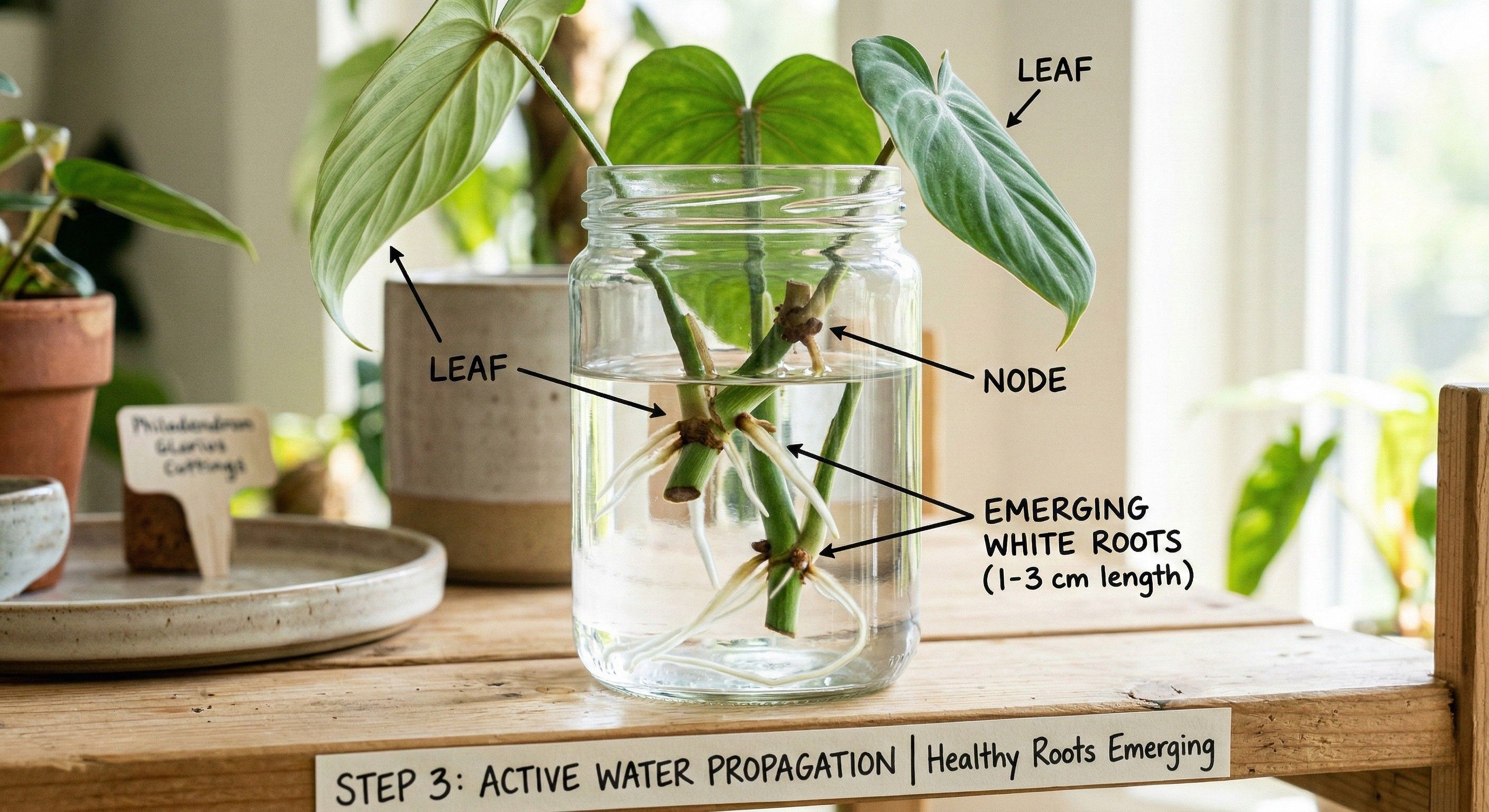
Pro tip: Propagate in spring or summer when the plant is actively growing. Fall/winter cuttings root slower.
Quick Care Cheat Sheet
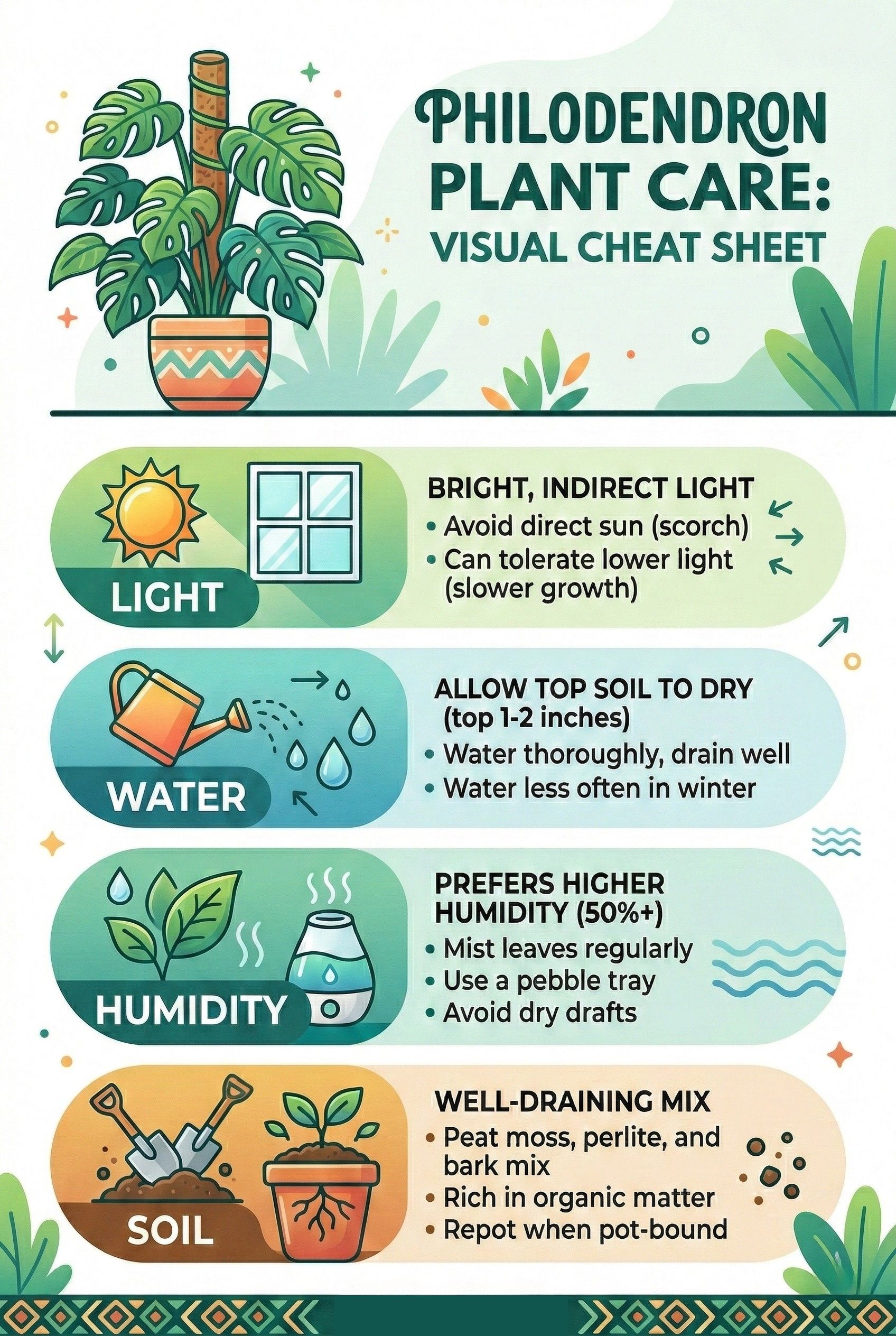
| Light | Bright indirect. No direct sun. |
| Water | Top inch dry. Every 7-10 days typically. |
| Humidity | 50-60%. Brown tips = humidity too low. |
| Soil | Chunkly aroid mix. Drainage is key. |
| Food | Every 2-4 weeks spring/summer. None fall/winter. |
| Temp | 65-80°F (18-27°C). No cold drafts. |
For seasonal adjustments, check out our Seasonal Care Calendar.
Products We Love
These are the tools we actually use for philodendron care:
- Digital Moisture Meter — Takes the guesswork out of watering
- Levoit Humidifier — Quiet, effective, and the plants agree
- Fox Farm Potting Mix — The chunky, well-draining mix your philodendron deserves
- Moss Pole for Climbing Plants — Give your vining philodendron something to cling to
Want to dive deeper? Check out our watering guide for the full methodology, or browse our propagation guide to turn one philodendron into ten.