Why Is My Fiddle Leaf Fig Dropping Leaves? (And How to Fix It)
The culprit is probably one of these 6 things — let's figure out which.
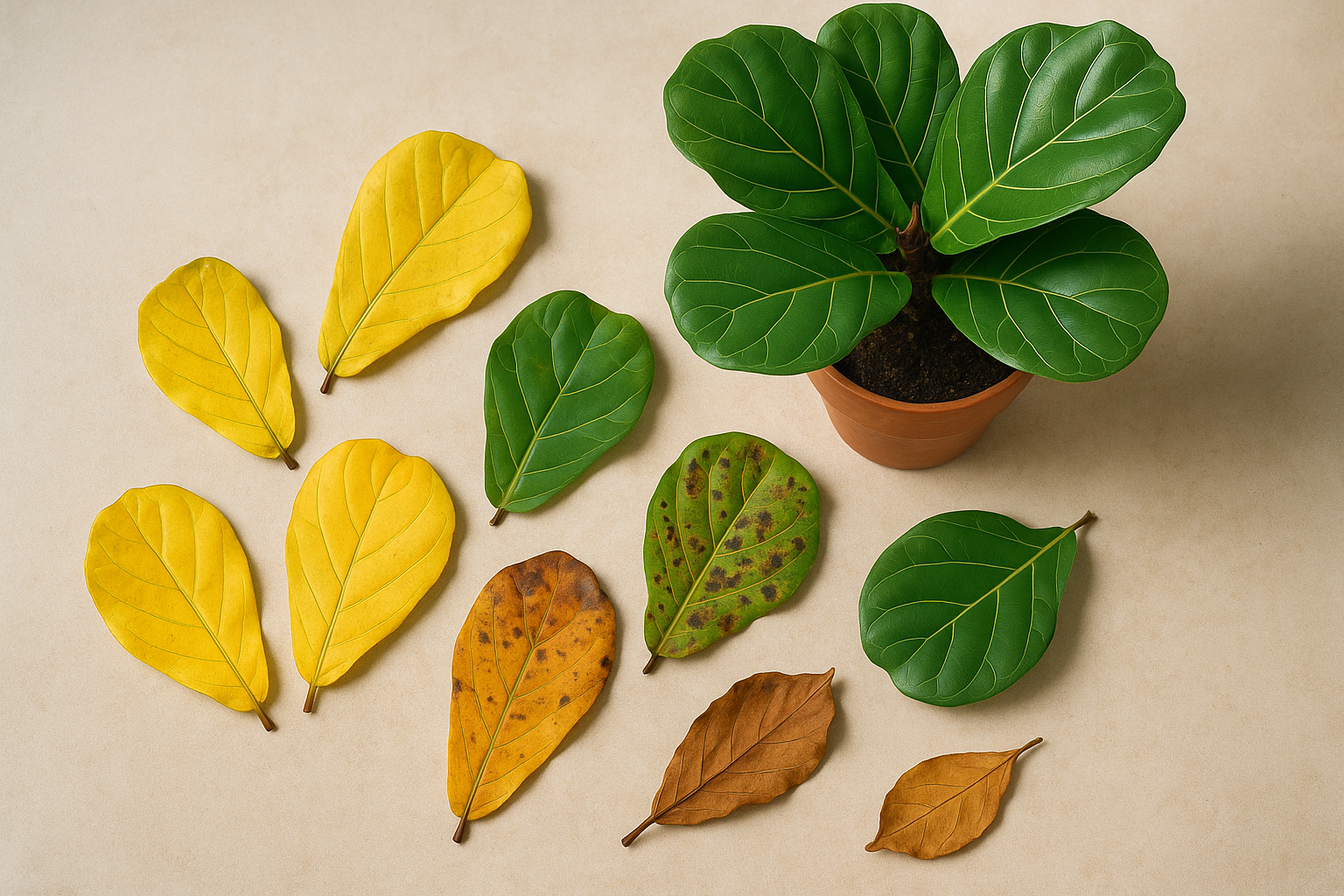
Quick Diagnostic Flowchart
Before we get into the details, here's the quick version:
- Bottom leaves dropping? → Check roots (root rot or underwatering)
- Top leaves dropping? → Check light and water
- All leaves at once? → Recent change? (moved, repotted, temperature drop)
- Gradual over weeks/months? → Slow decline from chronic issues
If your FLF dropped a leaf or two and looks otherwise fine, it might just be normal seasonal shedding. We'll cover that at the end. But if it's more than that — let's troubleshoot.
The 6 Main Causes of FLF Leaf Drop
1. Overwatering and Root Rot
This is the #1 cause. Actually, it's not even close.
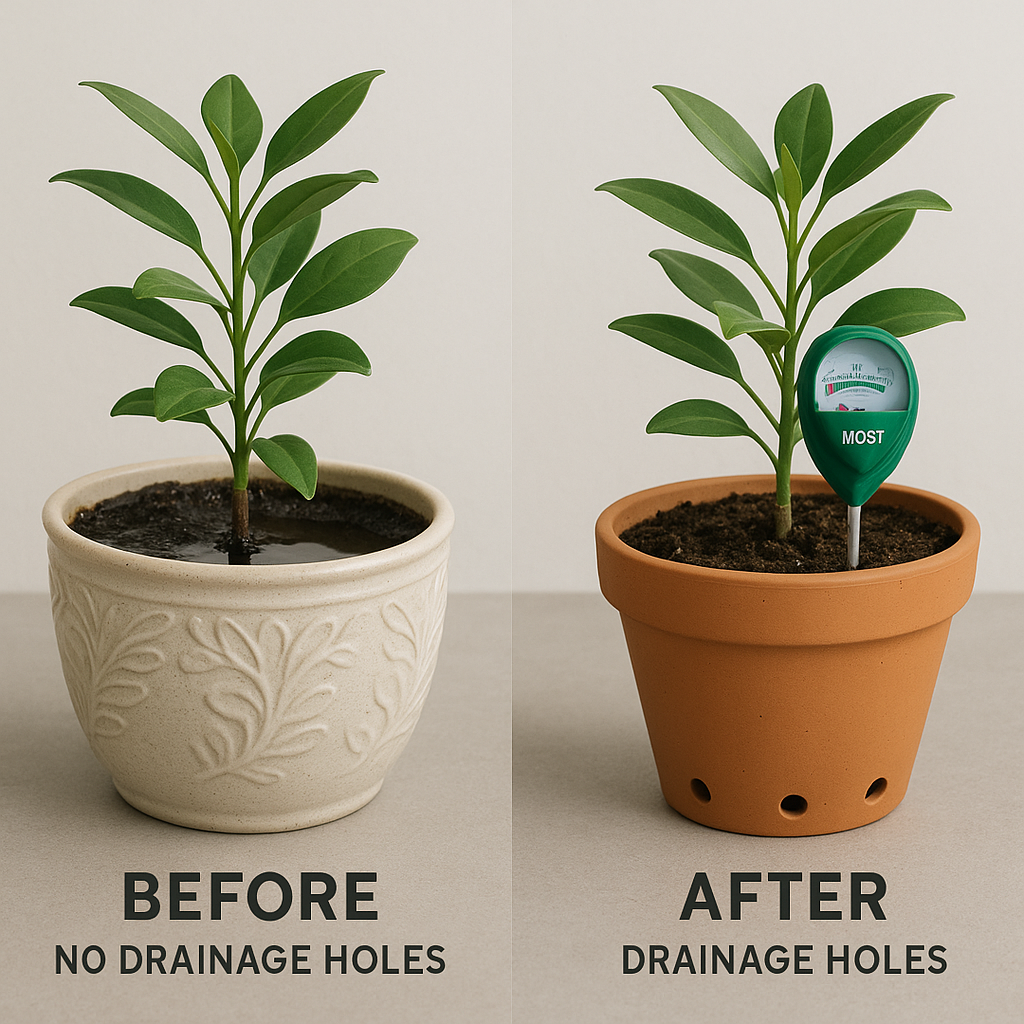
Fiddle leaf figs are drama queens. They will drop leaves at the slightest stress, and overwatering is the most common way people stress them out. The problem: FLFs like to dry out between waterings. When you water too frequently or use a pot without drainage, the roots sit in soggy soil. They can't breathe, they start to rot, and the plant responds by dropping leaves — usually from the bottom first.
Signs it's overwatering:
- Bottom leaves turn yellow or develop brown spots
- Soil stays wet for more than a week
- Pot has no drainage or you're watering "just in case"
- Leaves feel soft or limp even when soil is wet
The fix is simple in theory: water less. In practice, if root rot has set in, you need to check the roots, trim the rotten ones, and repot in fresh, well-draining soil.
2. Underwatering and Drought Stress
Yes, the opposite causes leaf drop too. FLFs are picky — too wet kills them, too dry stresses them out.
Signs it's underwatering:
- Leaves look droopy or limp
- Soil pulls away from the sides of the pot
- Pot feels very light when you pick it up
- Leaves turn brown at the edges first
- Top few inches of soil are completely dry
The fix: water thoroughly until water drains from the bottom, then let it dry out again. Don't let it get to the "bone dry" stage regularly.
Check Soil Moisture Accurately
3. Light Issues — Too Much or Too Little
FLFs are divas about light. Not enough light = can't photosynthesize properly = drops leaves. Too much direct sun = leaf burn = drops leaves.
Signs of light problems:
Too little:
- Leggy growth (long stems with big gaps between leaves)
- Small, pale new leaves
- Leaves dropping from the middle or bottom of the plant
Too much:
- Brown, crispy spots on leaves (sunburn)
- Leaves facing the window look scorched
- Leaf drop on the sun-facing side
Most FLFs do best in bright, indirect light — think near an east-facing window or a few feet back from a south/west window. Direct afternoon sun is too harsh.
4. Temperature Stress and Drafts
FLFs hate change. They hate cold drafts, they hate hot radiators, they hate being near doors that open to freezing temperatures.
Signs of temperature stress:
- Leaves drop after a cold night or when placed near a drafty window
- Leaves curl inward (trying to conserve moisture)
- Brown edges or spots, especially on newer leaves
- Dropping leaves in winter despite otherwise good care
Keep your FLF away from: exterior doors, drafty windows, AC vents, radiators, and kitchens (temperature fluctuations). Ideally, keep the room above 60°F.
5. Low Humidity
In their native environment (West African rainforests), FLFs get consistently high humidity. In most homes — especially with winter heating — humidity drops to desert levels. This causes leaf drop, especially on new growth.
Signs of low humidity:
- Brown, crispy leaf edges
- New leaves stunted or coming in deformed
- Leaf drop concentrated on new growth
- Gets worse in winter when heat is on
A humidifier helps. Grouping plants together helps. Pebble trays provide a little boost (not a lot, but a little).
6. Pests and Disease
Spider mites, mealybugs, and scale can all cause leaf drop. These are less common than watering issues, but they happen.
Signs of pests:
- Fine webbing between leaves (spider mites)
- White, cottony spots (mealybugs)
- Sticky residue on leaves (scale or spider mites)
- Leaves with tiny dots or discoloration
Check the undersides of leaves regularly. If you find pests, treat with insecticidal soap or neem oil. Isolate the plant from your other houseplants.
How to Identify Which Cause — Leaf Drop Pattern Decoder
Here's the pattern decoder — match your leaf drop to the cause:
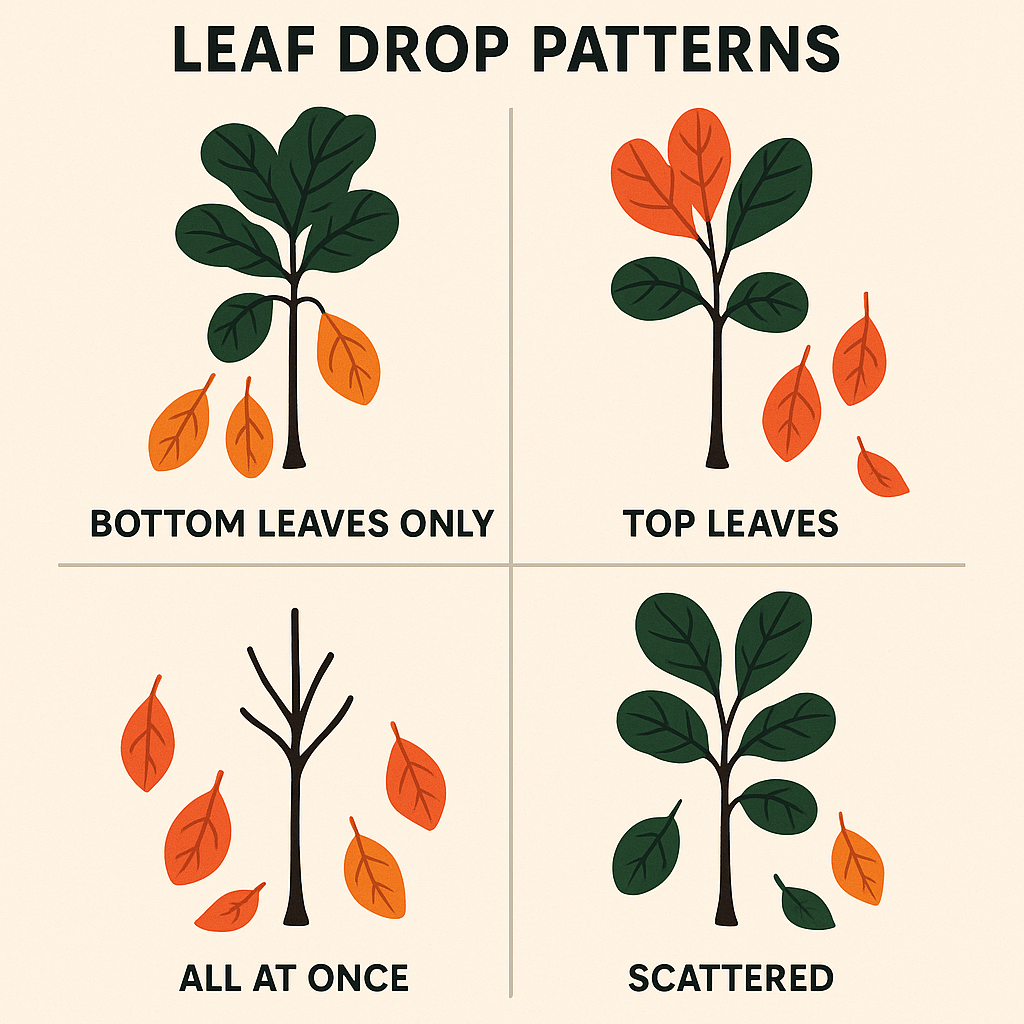
Bottom Leaves Dropping = Root Issues
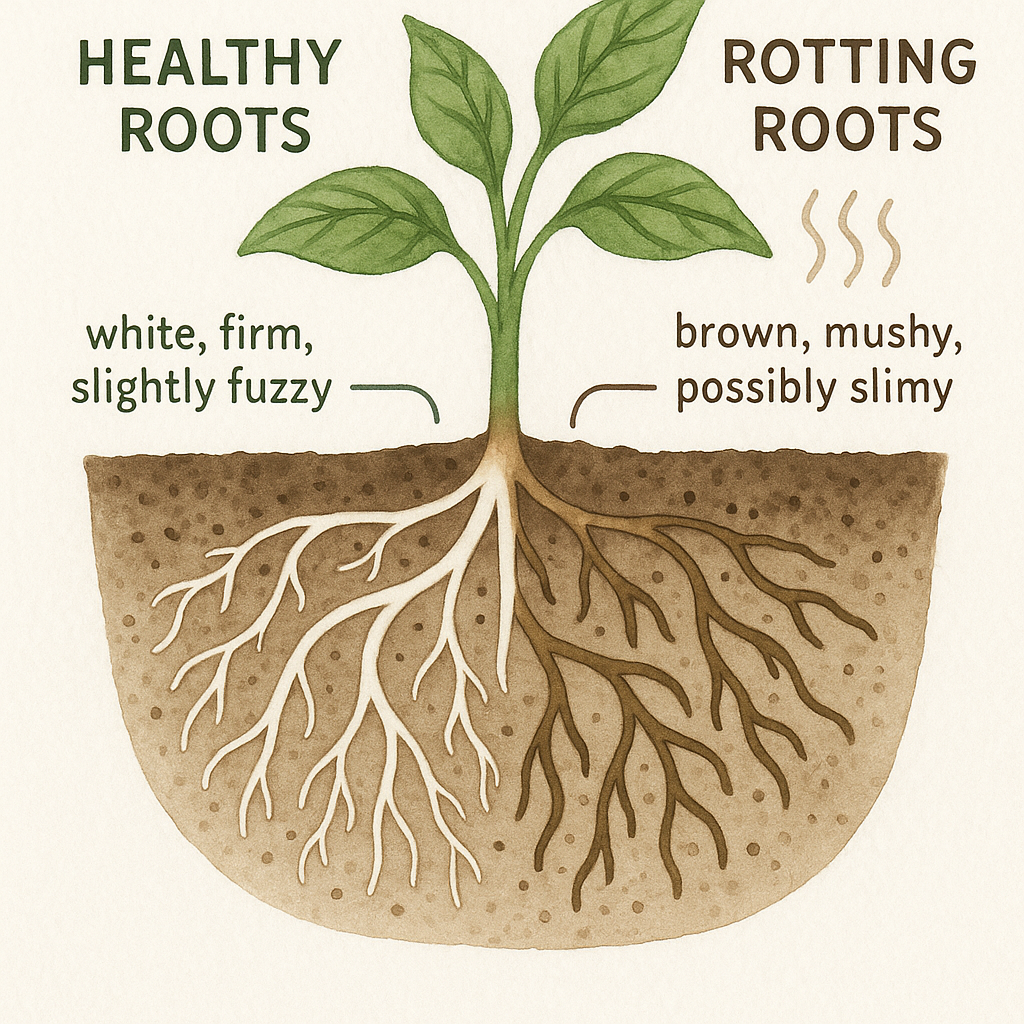
Root rot from overwatering, or severe underwatering. Check the roots — healthy roots are firm and white/light tan. Rotten roots are mushy and brown. If it's root rot, you'll need to trim dead roots and repot.
Top Leaves Dropping = Light/Water Issues
Something's wrong with the top of the plant's needs — either not enough light, or watering problems. Check your light placement and your watering routine.
All Leaves Drop at Once = Shock
Something suddenly stressed the plant. Did you move it? Repot it? Leave it in a cold draft? Temperature drops, relocation, and repotting shock can cause dramatic leaf drop. Give it time to recover.
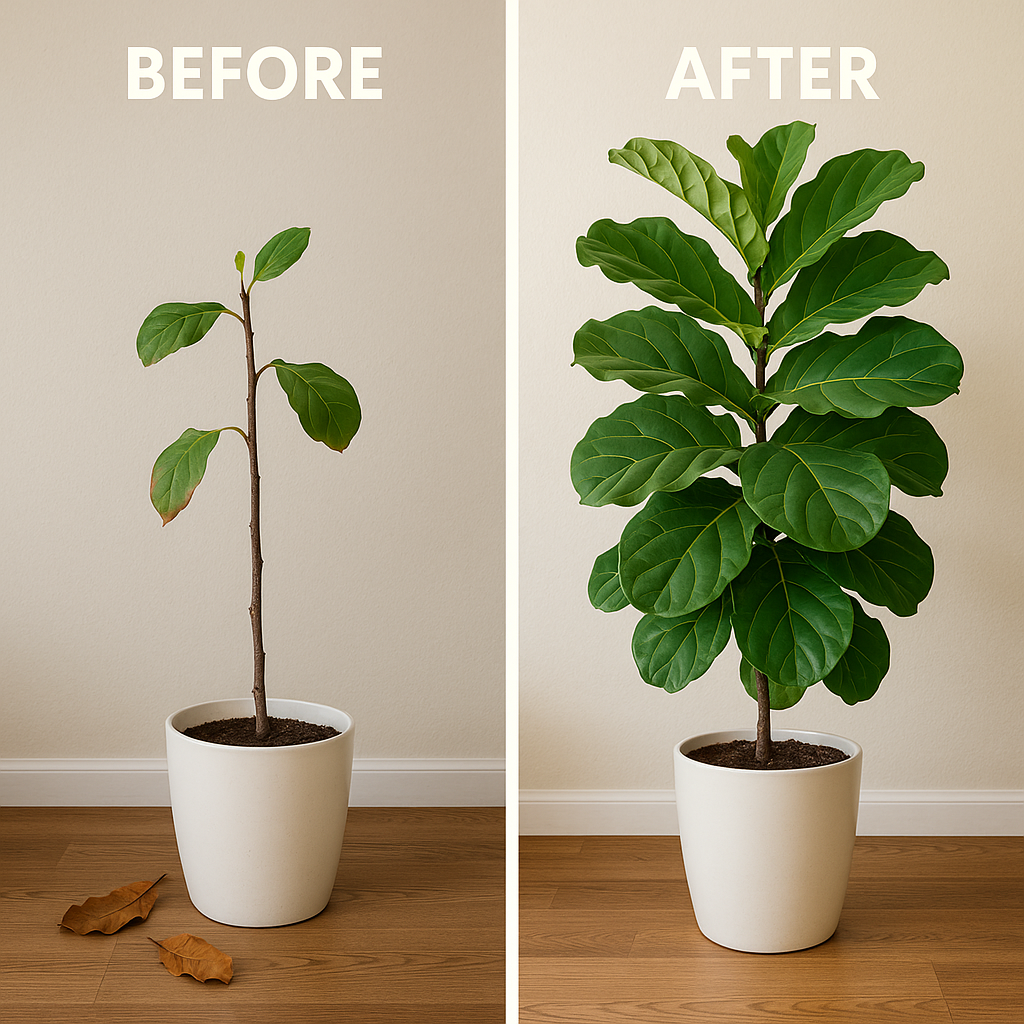
Gradual Leaf Drop Over Time = Chronic Decline
This is a slow build-up of problems — probably not enough light, or watering wrong (either too much or too little) for weeks/months. Fix the underlying issue and be patient.
Step-by-Step Recovery Guide
1. Assess Current Damage
How many leaves are left? Is the stem still firm? Are there any green buds or new growth? If the stem is mushy or the plant is nearly bare, it's an emergency. If it's lost some leaves but the stem is firm, it's probably recoverable.
2. Adjust Watering Routine
This fixes most problems. Check soil moisture before watering. Use the "finger test" — stick your finger 2 inches into the soil. If it's dry, water. If it's damp, wait.
Check Soil Moisture Accurately
3. Check Light and Placement
Move to bright, indirect light if it isn't getting enough. Move away from direct hot sun if it's getting sunburned. East-facing window is ideal.
4. Treat Root Rot If Present
If you've got root rot:
- Take the plant out of the pot
- Trim all brown, mushy roots with clean scissors
- Let it sit out for an hour or so
- Repot in fresh, well-draining soil (not regular potting mix — get something made for FLFs or add perlite)
- Water sparingly until new growth appears
5. Increase Humidity
Run a humidifier near your FLF, especially in winter. Or at least group it with other plants so they create a slightly more humid microclimate.
6. Monitor for Recovery
New growth is the sign you've turned a corner. It can take 2-6 months to see significant recovery, depending on how damaged the plant was. Be patient.
When It's Normal — Seasonal Leaf Drop
A healthy FLF will naturally drop 1-3 leaves per year, usually in fall/winter as light levels drop. This is normal. The leaves will be older (bottom of the plant), they'll turn yellow first, and the plant keeps growing new leaves at the top.
Normal leaf drop:
- 1-3 leaves per year
- Older leaves (bottom of plant)
- Yellowing first, then falling
- New growth continues
Not normal leaf drop:
- More than a few leaves at once
- Leaves dropping from all over (not just bottom)
- No new growth for months
- Stem getting soft or mushy
Prevention Checklist
Keep your FLF healthy long-term with these basics:
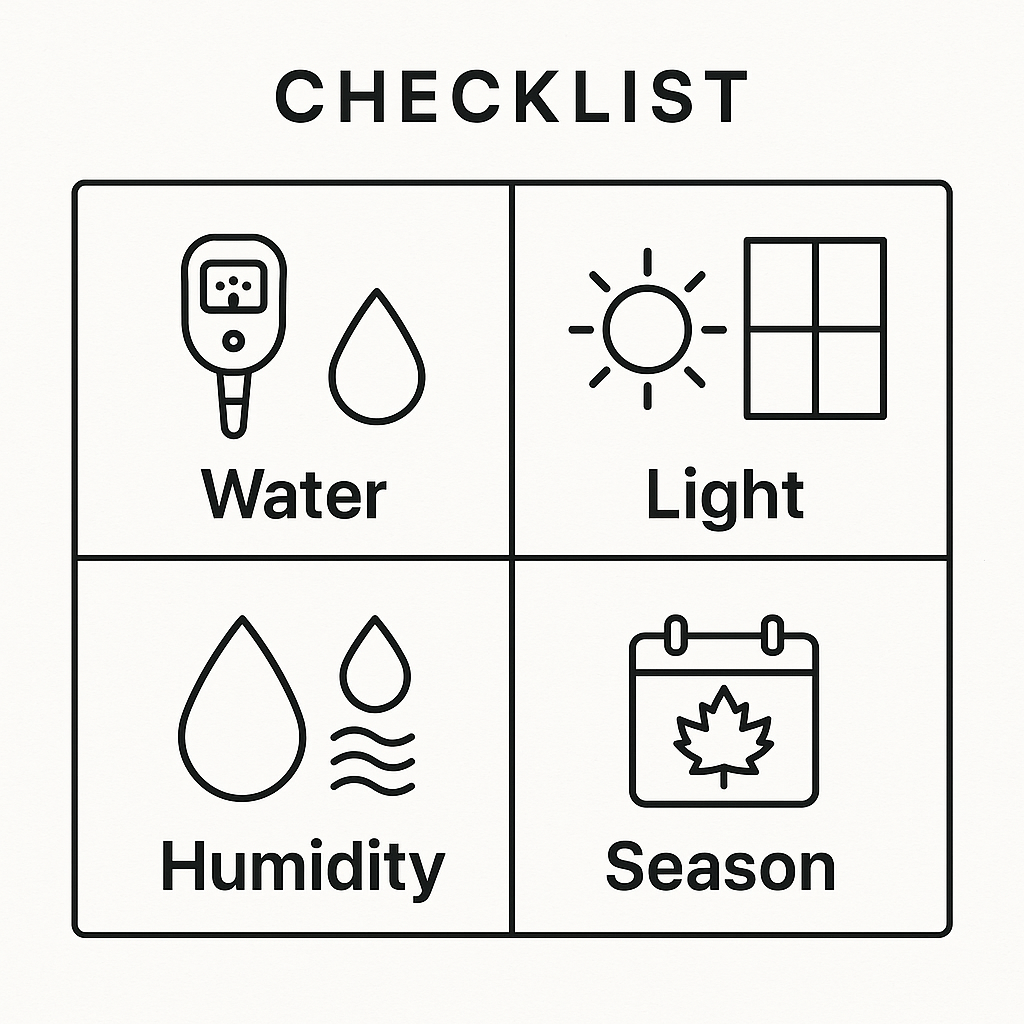
- Water correctly — Let soil dry between waterings, check before watering, use pot with drainage
- Proper light — Bright, indirect light. Not direct hot sun.
- Humidity — Keep above 40% if possible. Use humidifier in winter.
- Seasonal adjustments — Water less in winter (growth slows), move away from cold windows
Want more FLF help? Check out our Fiddle Leaf Fig Care Guide for the basics, or our Plant ER for general troubleshooting.
Products We Love
We use these products ourselves and recommend them:
- Fiddle Leaf Fig Specialty Potting Soil — Well-draining mix specifically made for FLFs
- Moisture Meter — Takes the guesswork out of watering
- Small Humidifier for Indoor Plants — Boosts humidity in the immediate area
- Fiddle Leaf Fig Fertilizer — Supports healthy growth during growing season