DIY Potting Mix Recipes — Custom Soil for Every Plant Type
Stop buying overpriced bags of dirt. Here's how to mix exactly what your plants actually need.
Potting Mix vs Potting Soil: What's the Difference?
Let's clear this up because the industry uses these terms interchangeably and it's infuriating.
Potting soil is literally dirt. It comes from the ground. It compacts. It holds water forever. It's fine for garden beds, terrible for containers.
Potting mix is a blend of ingredients designed for container plants. It drains. It aerates. It doesn't compact into a brick after two waterings.
Most "potting soils" you buy at the hardware store are actually mixes — they just couldn't be bothered with accurate labeling. But the distinction matters when you're making your own: you're not making dirt, you're making a growing medium.
Essential Potting Mix Ingredients You Need
Here's your ingredient roster. You'll use these in various ratios depending on what you're growing.
The Base
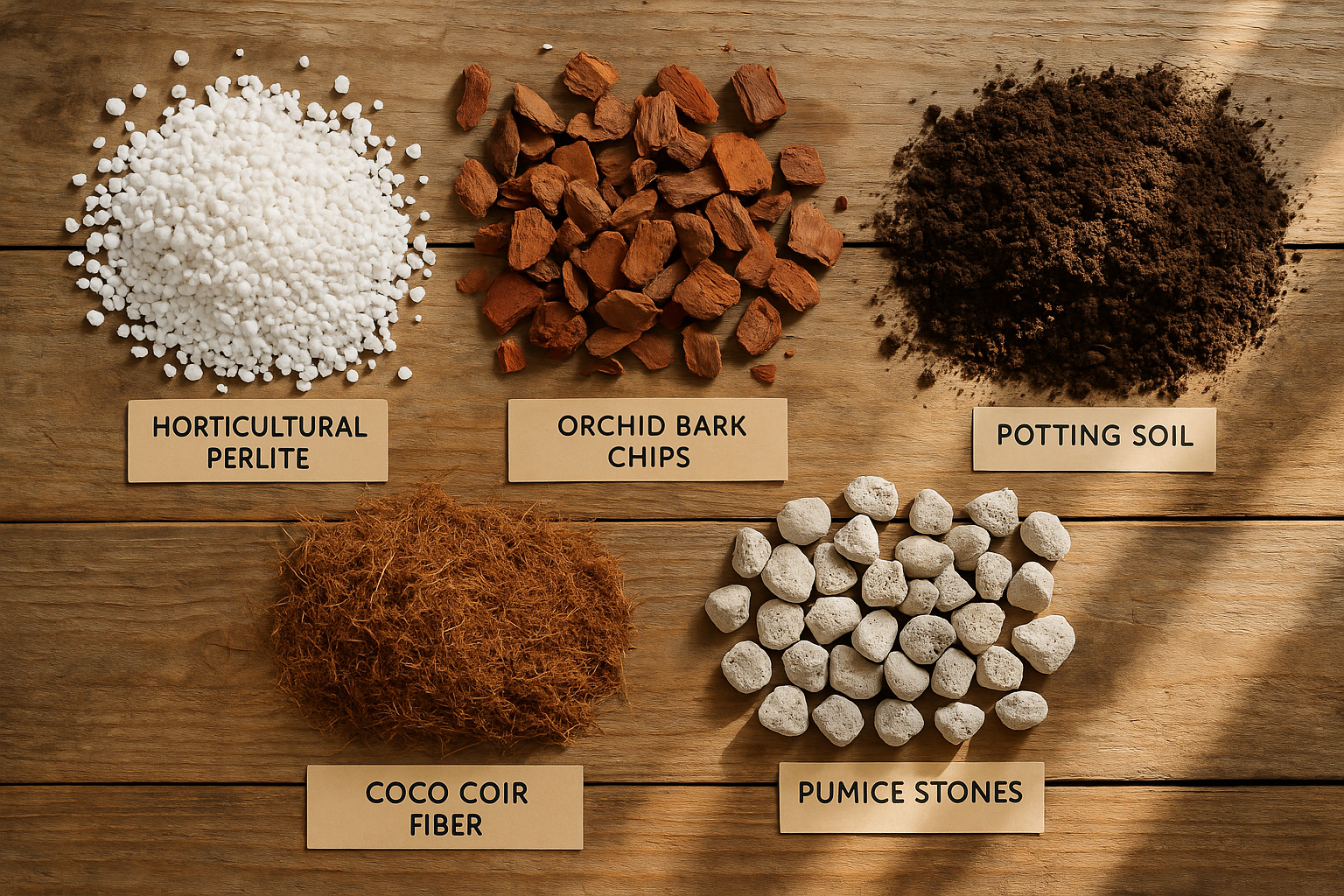
Coco coir — The sustainable replacement for peat moss. Holds moisture, provides structure. Comes in bricks you rehydrate. One brick expands into a week's worth of mixing.
Potting soil (or compost) — The organic foundation. Provides nutrients and body. Don't cheap out here — sterile, bagged soil beats garden dirt full of weed seeds and pathogens.
The Drainage Crew
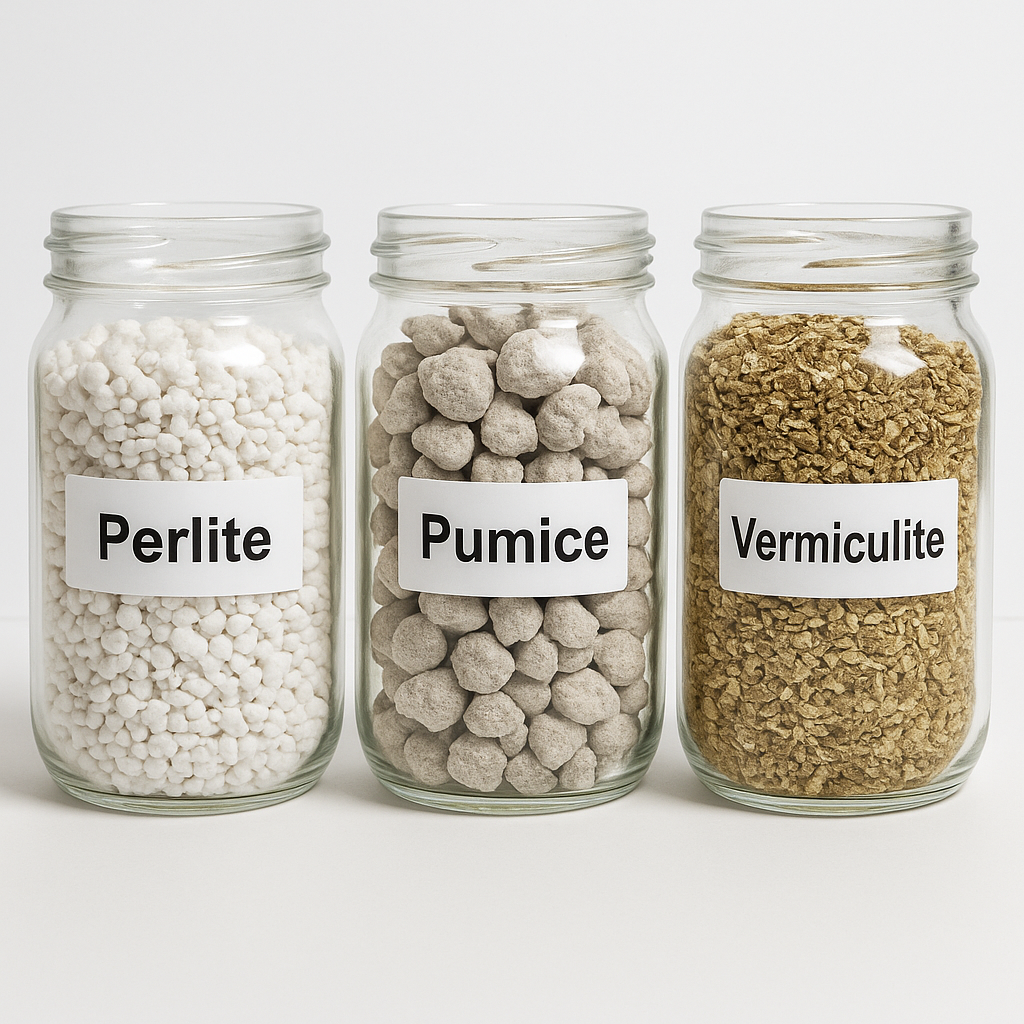
Perlite — White volcanic glass pebbles. Cheap, effective, increases drainage. The stuff you see floating in nursery pots. Downside: it floats to the top over time and makes your pot look like popcorn.
Pumice — Volcanic rock, heavier than perlite, doesn't float. Better for tall plants where you don't want migration. More expensive but stays put.
Vermiculite — Holds water AND nutrients. Good for seed-starting, not great for plants that hate wet feet. Different use case.
The Texture Additions
Orchid bark — Chunky pine or fir bark. Essential for aroids and tropicals. Provides aeration and something for roots to grab.
Charcoal — Optional but nice. Helps with odor control and absorbs some impurities. More useful in terrariums than regular pots.
5 Essential DIY Potting Mix Recipes
Here's where we get practical. Mix these up in a bucket, a wheelbarrow, or a large storage tub. Don't stress about exact measurements — these ratios are guidelines, not legal contracts.
All-Purpose Potting Mix
Good for: Pothos, philodendrons, peace lilies, most common houseplants
- 2 parts potting soil
- 1 part coco coir
- 1 part perlite
This is your baseline. It's got drainage, it's got moisture retention, it's got nutrients. Most plants survive in this indefinitely.
Tropical/Aroid Potting Mix
Good for: Monstera, pothos, philodendron, syngonium, scindapsus — anything that wants to climb
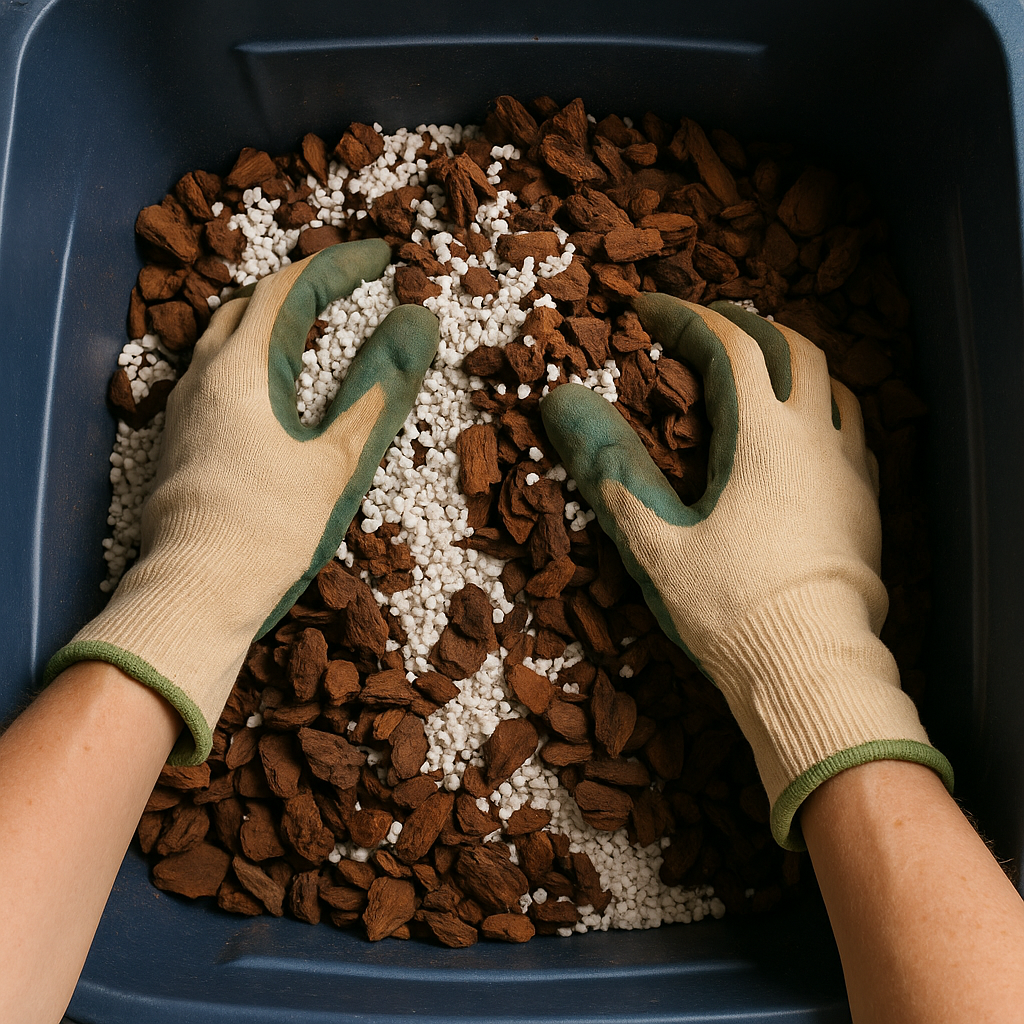
- 2 parts potting soil
- 1 part orchid bark
- 1 part coco coir
- 1 part perlite
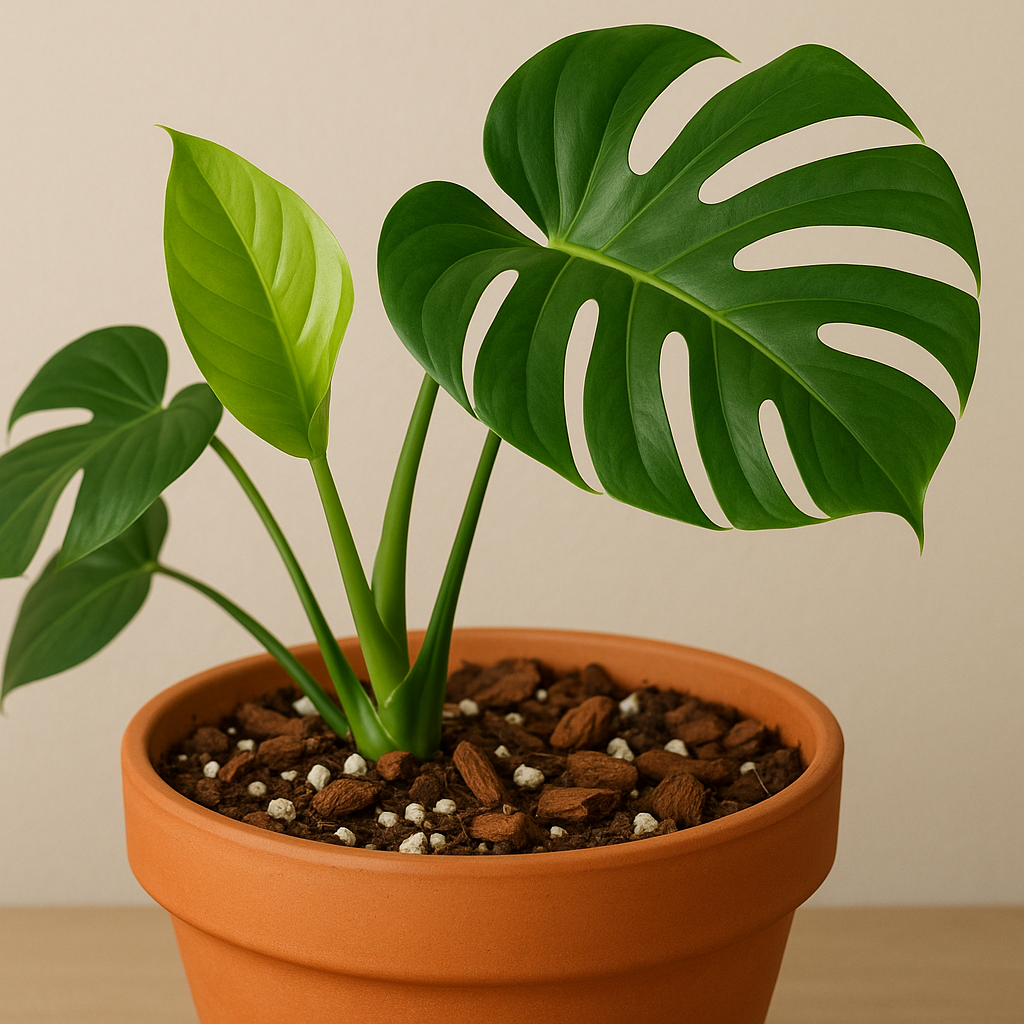
This is chunky. It drains fast. It dries faster than you'd expect. Monsteras in this mix will produce bigger leaves with better fenestrations because the roots can breathe.
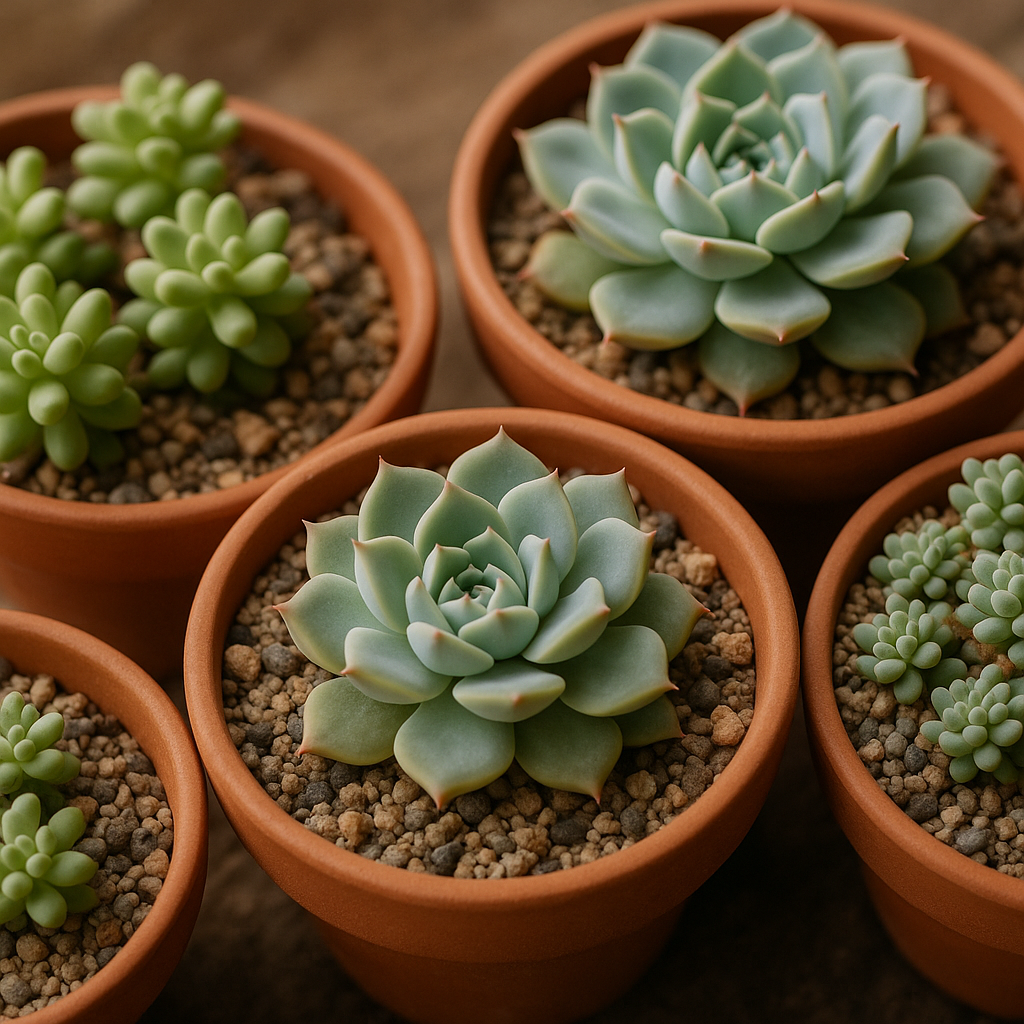
Succulent & Cactus Potting Mix
Good for: Echeveria, sedum, jade plants, string of pearls, any desert plant
- 2 parts potting soil
- 2 parts pumice
- 1 part coarse sand
This drains like a sieve. If you water this mix and water sits on top for more than 10 seconds, something's wrong. These plants WANT to dry out fast.
Seed-Starting Mix
Good for: Germinating seeds, cuttings
- 1 part coco coir
- 1 part perlite
- 1 part vermiculite
No soil here — you want sterile, moisture-retentive, and aerated. Soil brings fungus and pathogens that kill delicate seedlings.
Heavy Feeder Potting Mix
Good for: Fruiting plants, flowering plants, monsteras in active growth
- 2 parts potting soil
- 1 part compost
- 1 part coco coir
- 1/2 part perlite
Extra nutrients for plants that eat a lot. Add a handful of worm castings if you've got them.
How to Choose the Right Mix for Your Plants
Not sure which recipe to use? Here's the quick version:
| Plant Type | Drainage Need | Recommended Mix |
|---|---|---|
| Tropical (Monstera, Pothos) | High | Tropical/Aroid |
| Succulent/Cactus | Very High | Succulent Mix |
| Foliage (Peace Lily, Dracaena) | Medium | All-Purpose |
| Herbs, Vegetables | Medium | All-Purpose or Heavy Feeder |
| Seedlings | High | Seed-Starting |
The general rule: if it has thick roots or stores water (succulents, orchids), go chunky. If it has fine, delicate roots (ferns, African violets), go finer and hold more moisture.
DIY vs Store-Bought: Is It Worth It?
Let's do math.
Store-bought potting mix: $4-8 per bag, ~5-8 quarts DIY ingredients (buying in bulk):
- Potting soil: $4-5 for 20 quarts
- Perlite: $4 for 8 quarts
- Coco coir: $8 for 20 quarts (rehydrated)
- Orchid bark: $8 for 8 quarts
Per quart, DIY runs about 30-50% cheaper once you've stocked up on basics. The first batch costs more because you're buying perlite/bark/coir upfront. After that, you're just topping up.
Is it worth it? If you have more than 3 plants, yes. If you have 15 plants like some of us, absolutely. If you have one pothos in a nursery pot, just buy the bag.
Common DIY Potting Mix Mistakes (And How to Fix Them)
Problem: Mix stays wet too long
Cause: Not enough drainage material. Fix: Add more perlite or pumice. Seriously, just dump some in. You can't really over-drain.
Problem: Mix compacts
Cause: Too much fine material, no chunky bits. Fix: Add orchid bark, pumice, or perlite. The chunkier, the better.
Problem: Plants declining for no obvious reason
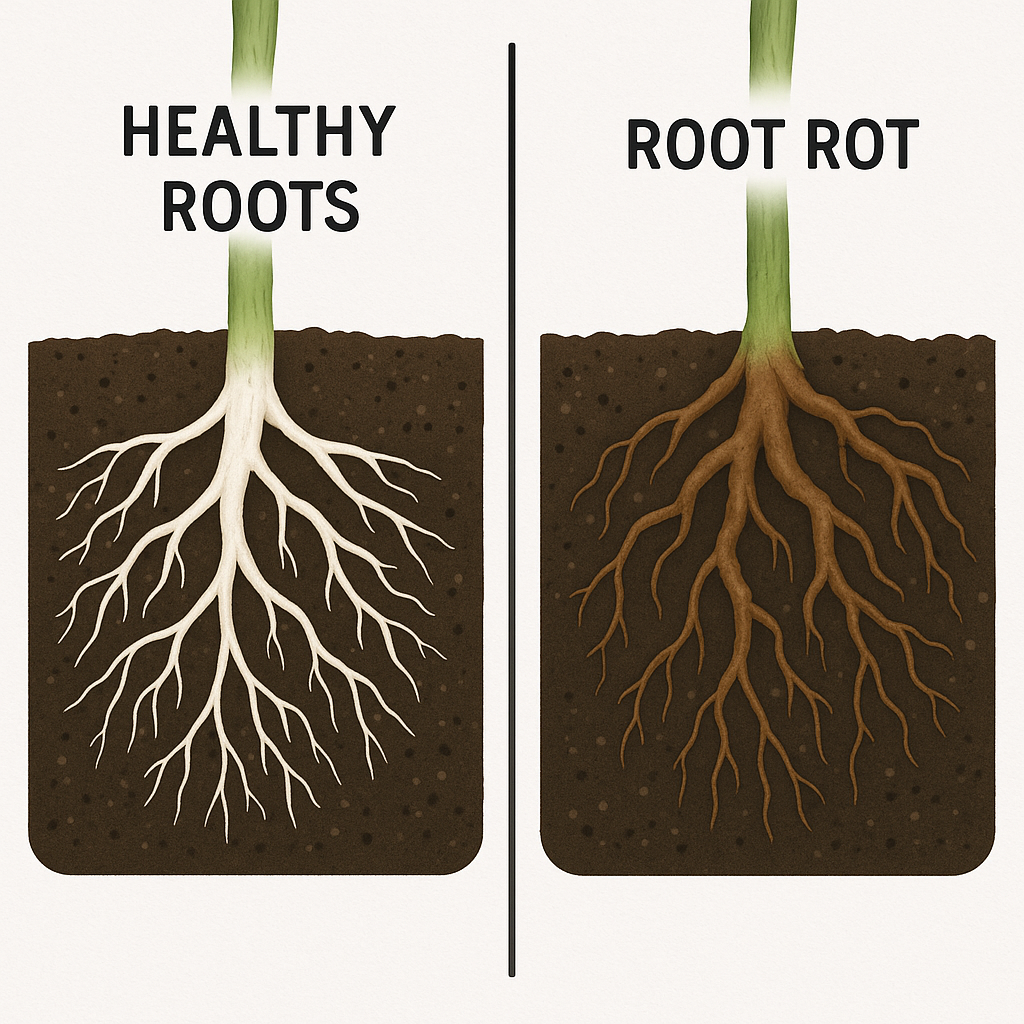
Cause: Could be root rot from overwatering, could be nutrient deficiency. Fix: If roots are brown and mushy, that's rot — cut it off, let the plant dry out, repot into chunkier mix. If roots look fine but growth is sad, add worm castings or a slow-release fertilizer.
Bottom Line
Making your own potting mix isn't rocket science. It's not even gardening science. It's just mixing stuff in a bucket with some basic ratios.
Start with the all-purpose. Graduate to the tropical mix if you've got Monsteras. Go gritty if you've got succulents. Adjust as you learn what your plants prefer.
The beautiful thing about DIY is you can tweak. Too wet? More perlite. Dries too fast? More coco coir. Your plants will tell you what they need — you just have to listen.
Need help diagnosing what's wrong with your plant? Check out our root rot treatment guide. Want to know how often to water after repotting? Our watering guide has you covered.