Dark Foliage Houseplants Care Guide — Black Velvet, Burgundy & Chocolate Plants
The plants that make your plant shelf look like it belongs in a witch's study. Here's how to keep them that way.
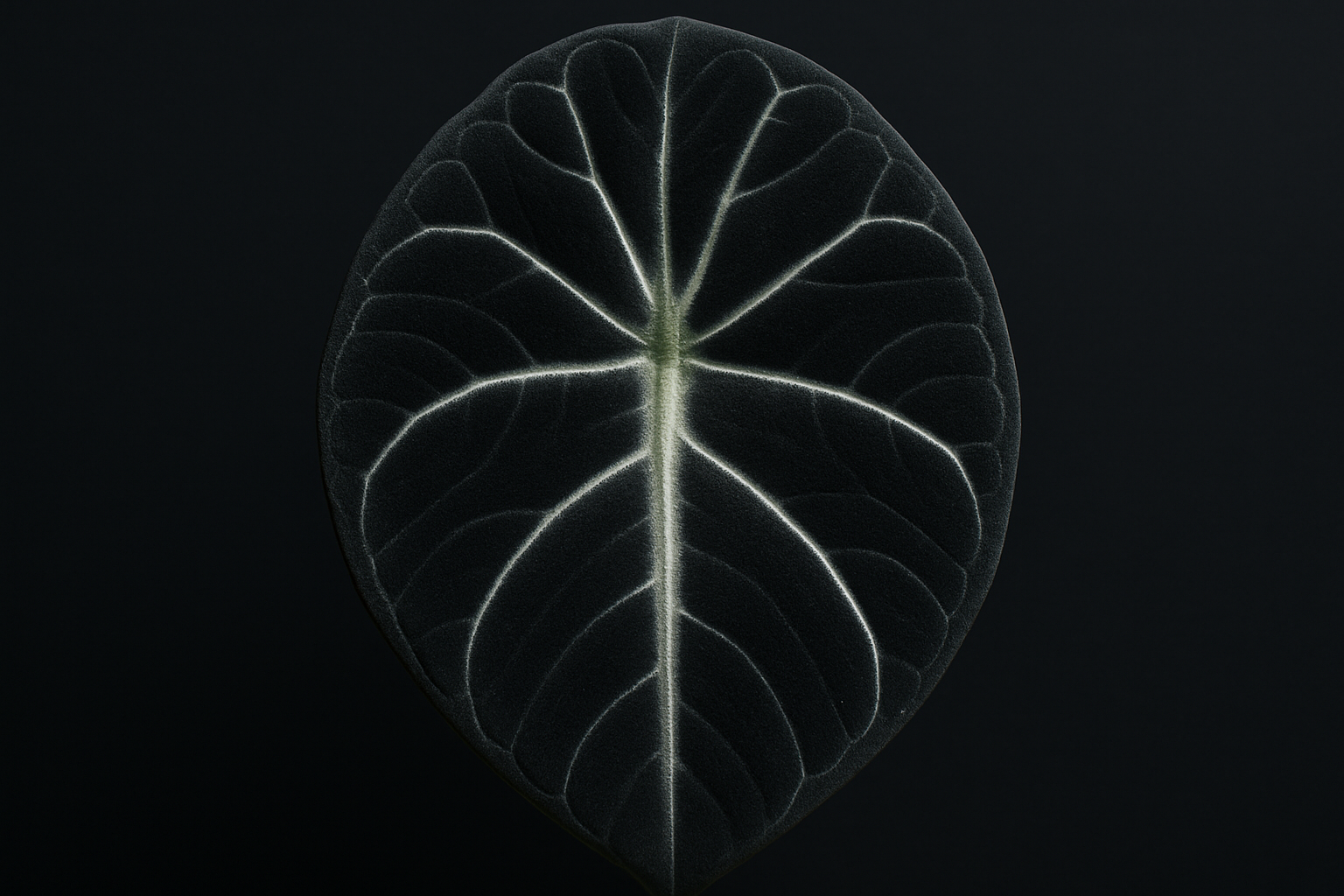
Why Dark Foliage Plants Are Having a Moment
Let's be real: the maximalist "more is more" plant era has peaked. The jungle. The monstera mania. The endless propagation trades. It's not gone, but the aesthetic has shifted.
Enter: the moody plant. Dark foliage plants — deep burgundy, near-black, chocolate brown — have moved from goth novelty to mainstream design staple. Interior designers are pairing them with concrete pots and white walls. Pinterest has entire boards dedicated to "dark academia plant aesthetic." Thewitchy plant trend has landed in mainstream shelter magazines.
But here's the thing: most of the content covering these plants is just pretty pictures. "Look at this black plant! Buy it!" No actual care depth. No troubleshooting. No acknowledgment that these plants have specific needs — and that those needs are different from their bright-green cousins.
Dark foliage plants aren't just a color variant. They're a care category. And that's what this guide is for.
The Dark Foliage Lineup — Plant Profiles
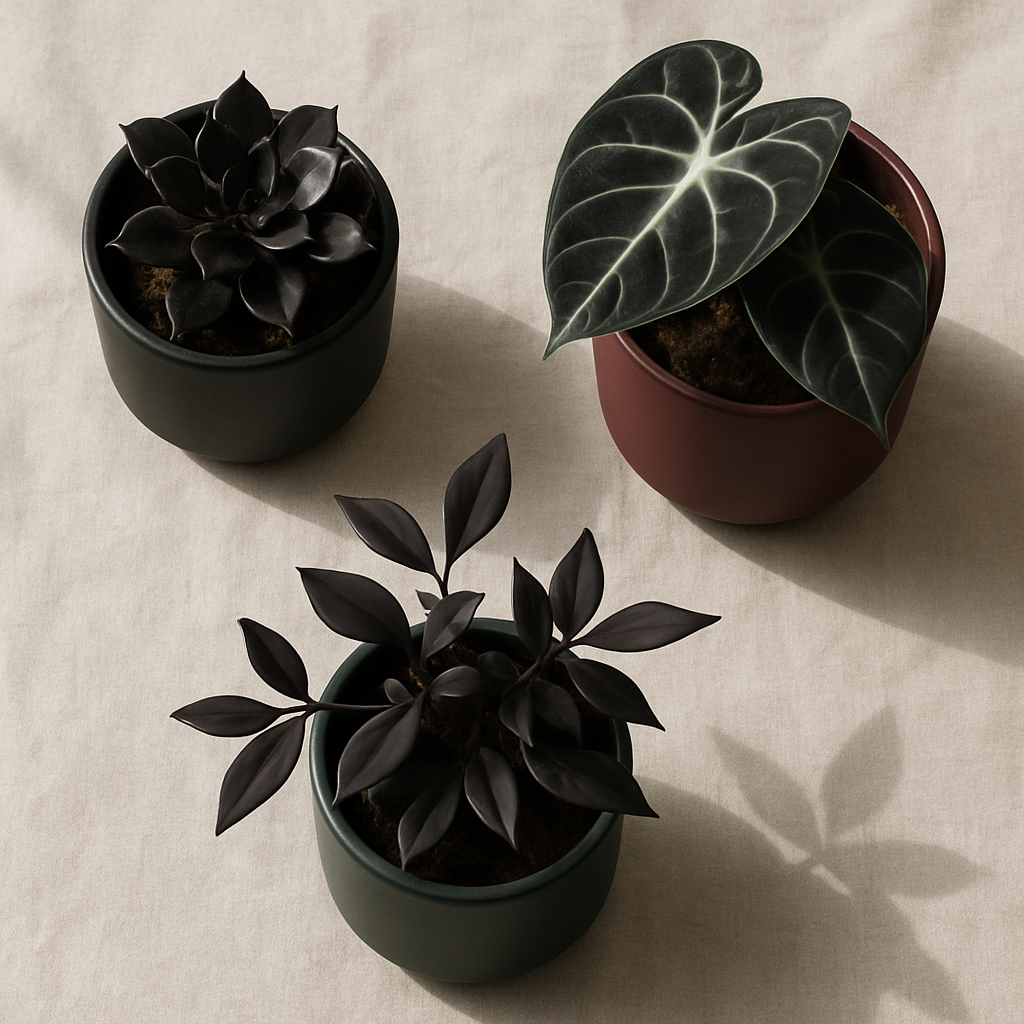
These are the dark foliage MVPs — plants that have earned their place in the "moody plant" category through beauty, popularity, and (somewhat) manageable care requirements.
Alocasia Black Velvet
The star of the show.
Alocasia reginula — commonly called Black Velvet — has the most dramatic foliage in this category. The leaves are a deep, velvety purple-black with silvery-white veining that looks almost painted on. They're not huge plants (usually 12-18" at maturity), but they command attention.
Care summary: High humidity (60%+), warm temps (65-85°F), bright indirect light. Not forgiving of drought or root rot. Needs excellent drainage.
The catch: Alocasia Black Velvet is drama. It's beautiful and it's difficult. If you're new to dark foliage, start with one of the others on this list before taking on the Alocasia.
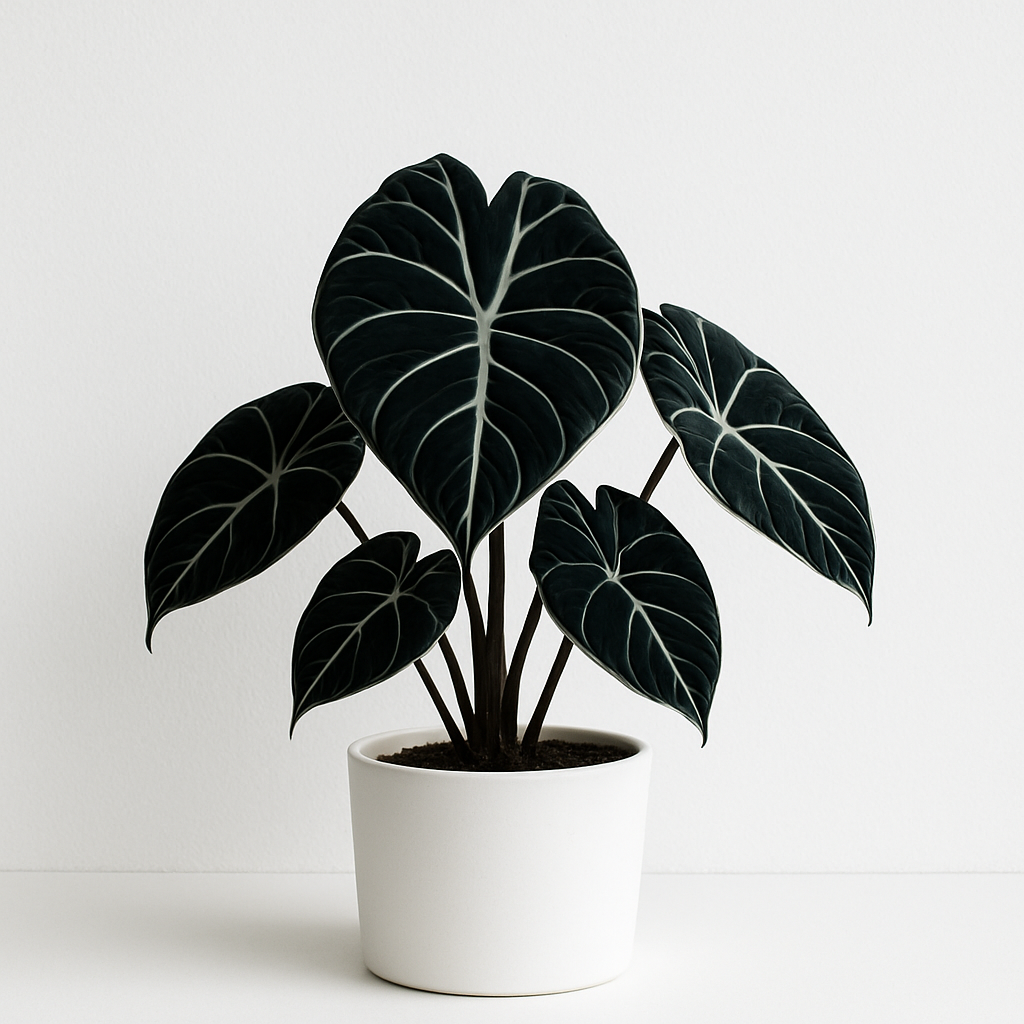
If you're serious about keeping one alive, check out our Alocasia Black Velvet care guide for the full breakdown. And if things go sideways — yellowing leaves, drooping, refusing to grow — our Alocasia dying guide covers the most common failure modes.
ZZ Raven
The "I kill everything" dark plant.
ZZ plants (Zamioculcas zamiifolia) are already famous as nearly unkillable houseplants. The Raven variety takes that reputation and adds the dark foliage aesthetic — new growth emerges bright green and matures to a deep, almost black green. It's gorgeous. And it's easy.
Care summary: Low to bright indirect light, water only when completely dry, no humidity requirements, forgiving of neglect. This is the entry point for dark foliage plant newbies.
For more on standard ZZ care (the Raven variety follows the same general rules), see our ZZ plant care guide.
Rubber Plant Burgundy
The classic dark plant.
Ficus elastica 'Burgundy' has been the dark foliage standard for decades. Deep, glossy burgundy-black leaves, usually with a pale midrib. It can grow into a substantial plant (3-6 feet indoors) and makes a real statement.
Care summary: Bright indirect light (more light = deeper color), water when top 2-3" of soil are dry, moderate humidity. More forgiving than Alocasia but still needs attention to watering.
Oxalis triangularis
The purple butterfly plant.
Oxalis triangularis — sometimes called "purple shamrock" — isn't a true foliage plant, but its dark purple clover-shaped leaves are dramatic enough to earn their place here. The plant also produces white or pale pink flowers and goes dormant seasonally.
Care summary: Moderate light, water when soil surface is dry, can tolerate lower humidity. Goes dormant in winter (leaves die back, returns in spring). Easy and striking.
Philodendron Black Cardinal
The affordable drama.
Philodendron 'Black Cardinal' has broad, paddle-shaped leaves that mature from bronzy-green to a deep, dark burgundy-black. It doesn't climb aggressively like some philodendrons, making it easier to display as a statement plant.
Care summary: Low to medium indirect light (lower light won't kill it but will make it less dark), water when top inch of soil is dry, moderate humidity. Relatively forgiving.
Care Fundamentals: The 4 Pillars
Here's where most dark foliage care guides fall short. They tell you what to do without explaining why. Let's fix that.
Light — Keep It Bright But Not Direct
Dark foliage plants need more light than people think. The dark pigment in the leaves is created by anthocyanins — compounds that require light to produce. Too little light and the new growth comes in green, washed out, or leggy.
But here's the nuance: Direct sun is the enemy.
Direct sunlight fades the dark color, can scorch the leaves, and goes against what these plants evolved for (they grew under forest canopy, not in open sun). Bright indirect light is the sweet spot.
Signs of insufficient light:
- New leaves are green or washed-out instead of dark
- Leggy growth, long gaps between leaves
- Slow or stopped growth
Signs of too much light:
- Pale, scorched patches on leaves
- Faded color
- Crispy edges
For low-light rooms: A small clip-on grow light can supplement. Many dark foliage plants — especially the tropical ones like Alocasia — will benefit from the boost.
Water — The Overwatering Trap
Overwatering is the #1 killer of dark foliage plants. Not underwatering. Not pests. Overwatering.
Why? Two reasons:
-
Dark foliage plants are often from humid environments (tropical forests). People assume that means "water a lot." It doesn't. It means they want humidity in the air, not water in their soil.
-
Dark foliage = low light tolerance — but not when it comes to water. Many dark plants can tolerate lower light, but they can't tolerate wet feet. The combination of lower light (slower drying soil) and frequent watering is a root rot factory.
The fix: Wait until the top 2-3 inches of soil are dry before watering. Use the "lift the pot" method or a moisture meter — don't water on a schedule.
For Alocasia specifically: They like to stay slightly moist but not wet. Let the top inch dry, then water thoroughly. In winter or low-light conditions, let them dry out more between waterings.
Humidity — Why 60%+ Is Non-Negotiable
This is where dark foliage plants separate from generic houseplant advice. Most "easy" houseplants are fine at 30-40% humidity. Dark foliage plants — especially Alocasia, Philodendron, and tropical varieties — want 60% or higher.
The symptoms of low humidity:
- Brown crispy leaf edges
- Slow, stunted growth
- Yellowing lower leaves
- Leaf drop (severe cases)
- Spider mite infestations (low humidity creates ideal conditions for them)
How to raise humidity:
-
Pebble trays — Place your plant on a tray filled with pebbles and water. The evaporating water increases humidity around the plant. Won't work for high-humidity plants alone, but helps as a supplement.
-
Grouping — Plants transpire, releasing moisture. Grouping plants together creates a microclimate with higher humidity.
-
Humidifier — This is the reliable solution.
- Bathroom placement — If you have good light, bathrooms can provide the humidity some dark plants crave.
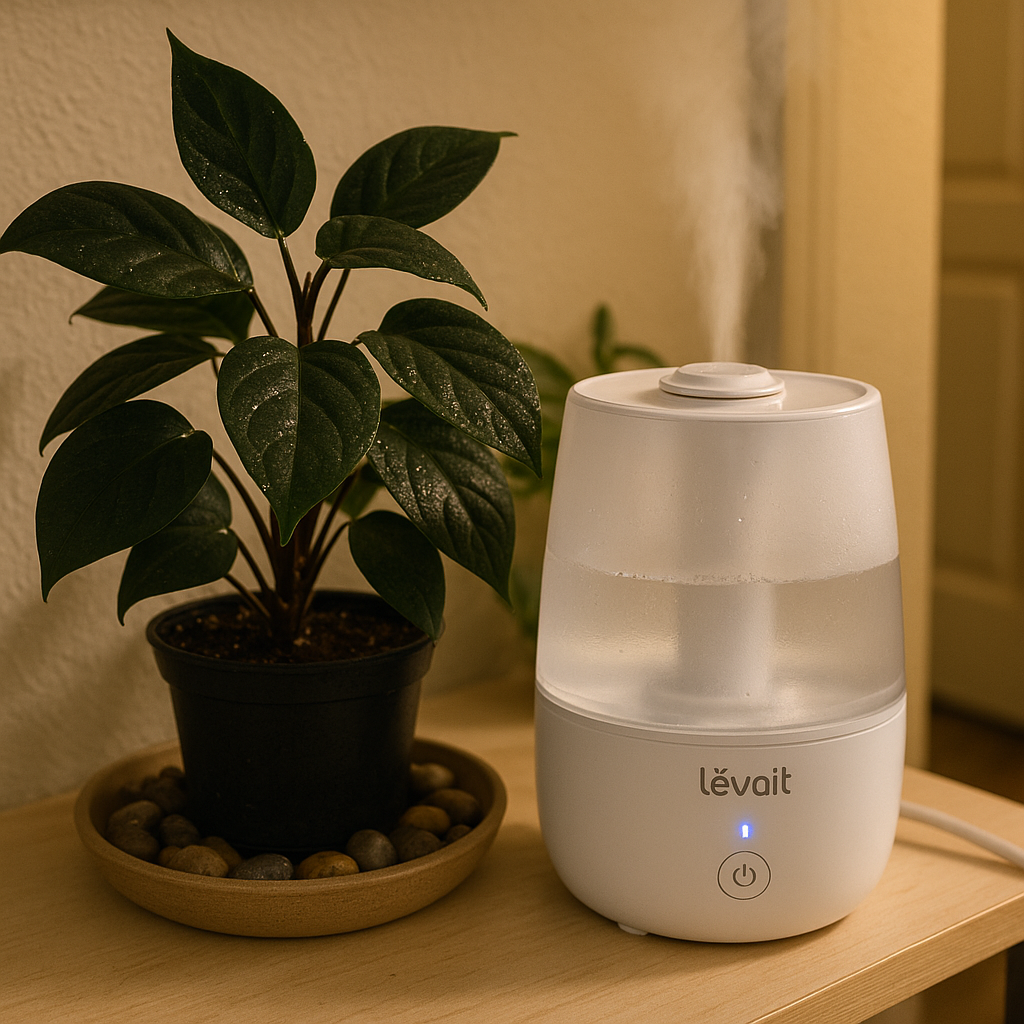
For more on hitting your humidity targets, see our guide to raising humidity for houseplants.
Soil — Chunky Is Everything
The #1 mistake people make with dark foliage plants (especially Alocasia): using regular potting soil.
Regular potting soil holds moisture. Dark foliage plants — particularly those from tropical forests — want chunky, fast-draining, air-retentive mix. The difference matters.
What the ideal dark foliage soil mix looks like:
- Well-draining base (perlite, pumice)
- Organic matter (coco coir, peat)
- Chunk (orchid bark, coarse perlite)
- Fast-draining
Recipe: 50% potting mix + 30% perlite + 20% orchid bark. Or buy a pre-mixed aroid mix and add extra perlite.
For more detail on the right mix, see our chunky potting soil mix guide.
Common Problems & How to Fix Them
Spider Mites on Dark Foliage
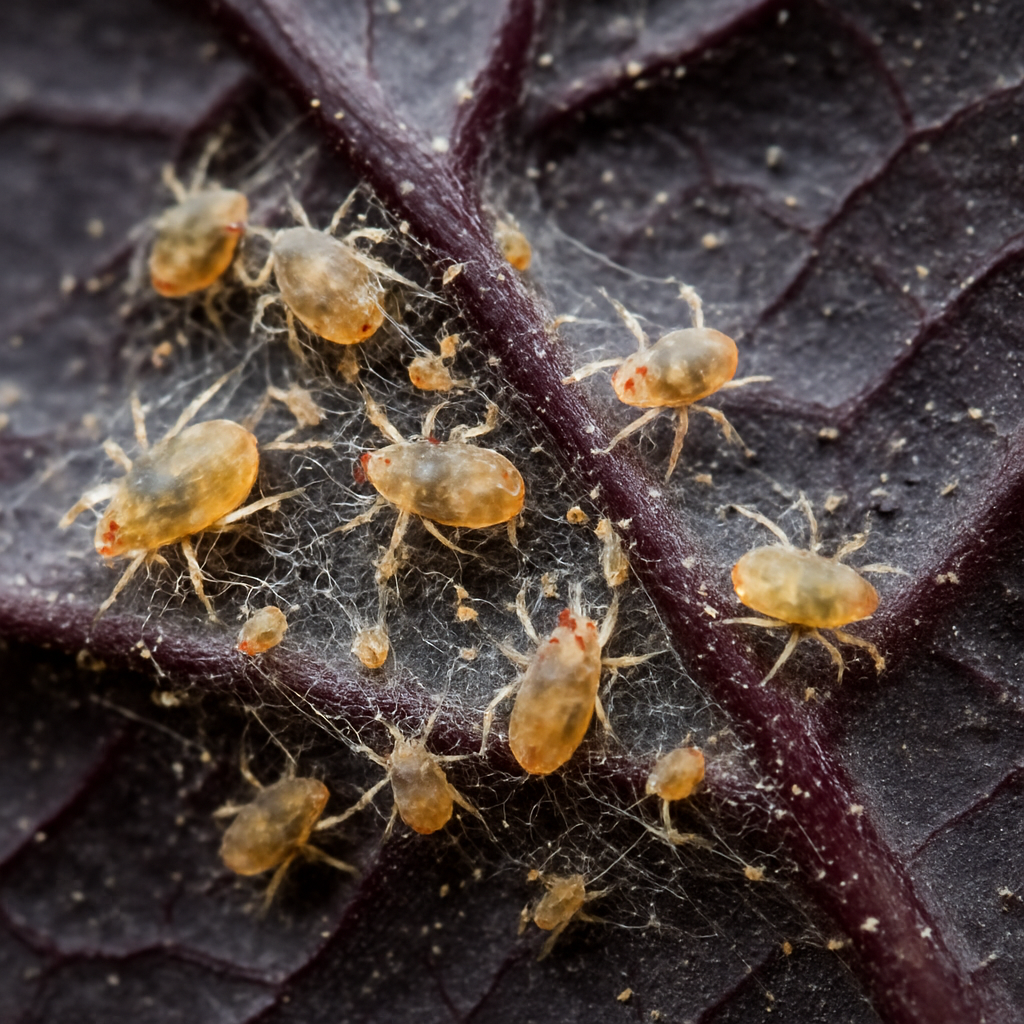
Spider mites are the #1 pest problem for dark foliage plants. They're small, they reproduce fast, and they love dry, warm conditions. Low humidity is basically a mite invitation.
What to look for:
- Fine webbing between leaves or on leaf undersides
- Tiny speckles or stippling on leaf surfaces (mite damage)
- Leaves looking dusty or dirty (actually mite debris)
- Yellowing or stippled leaves
How to deal with them:
-
Isolate the plant immediately. Spider mites spread through contact with other plants.
-
Spray down the plant — Use a strong stream of water to physically knock off mites. Do this in the shower or outdoors.
-
Neem oil or insecticidal soap — Apply to all leaf surfaces, especially undersides. Repeat every 3-5 days for 2-3 weeks.
-
Increase humidity — Spider mites hate humidity above 60%. Raise your humidity and they'll struggle.
-
Continue monitoring — Mites can hide in soil, on pot rims, in adjacent plants. Check everything.
Prevention: Keep humidity high, inspect new plants before bringing them inside, and check existing plants regularly.
Yellowing Leaves
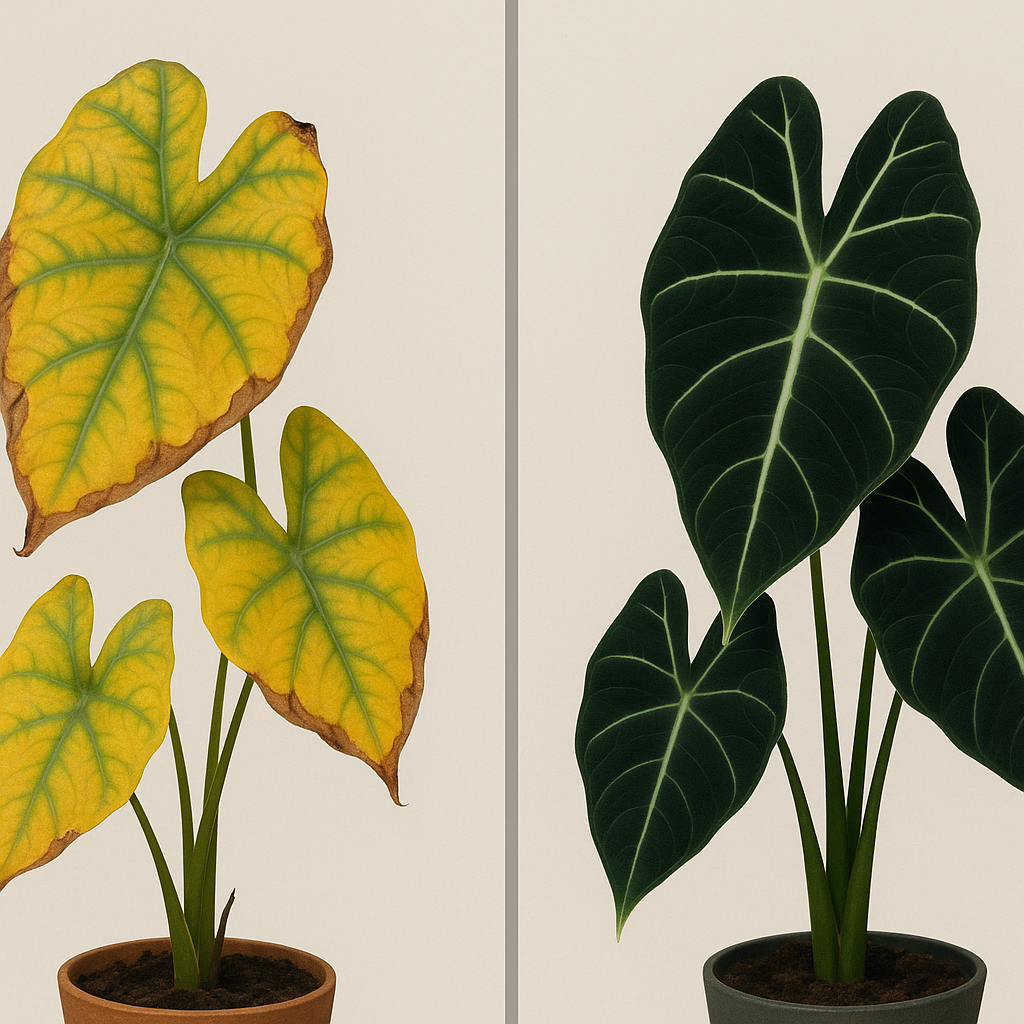
Yellow leaves on dark foliage plants usually mean one of two things: overwatering or natural aging.
If the yellow leaf is at the bottom of the plant and the rest of the plant looks fine, it's likely just the oldest leaf dying off. Remove it and move on.
If the yellowing is spreading, affecting multiple leaves, or the plant looks unwell:
- Check soil moisture — are you overwatering?
- Check the roots — signs of root rot include mushy brown roots and a sour smell
- Check for pests — spider mites cause yellowing
- Consider if the plant has been moved to very different light or temperature
Root Rot & Overwatering Recovery
If you've caught it early:
- Remove the plant from its pot
- Gently shake off soil and inspect roots
- Cut away any brown, mushy, or smelly roots with clean scissors
- Let the plant air out for a few hours
- Repot in fresh, chunky, dry mix
- Wait 1-2 weeks before watering
If you've caught it late — root rot has spread through most of the root system — the prognosis is poor. You can try propagation from any remaining healthy tissue (rhizome cuttings for Alocasia), but don't get your hopes up.
The prevention: Moisture meters, chunky soil, and watering only when the plant needs it.
Brown Leaf Edges
Usually one of two causes:
-
Low humidity — The most common cause for dark foliage plants. Increase humidity with a humidifier or pebble tray.
-
Fertilizer burn — If you've been heavy-handed with fertilizer, salts can build up and burn the leaf edges. Flush the soil with water and ease back on feeding.
Styling Your Dark Foliage Plants
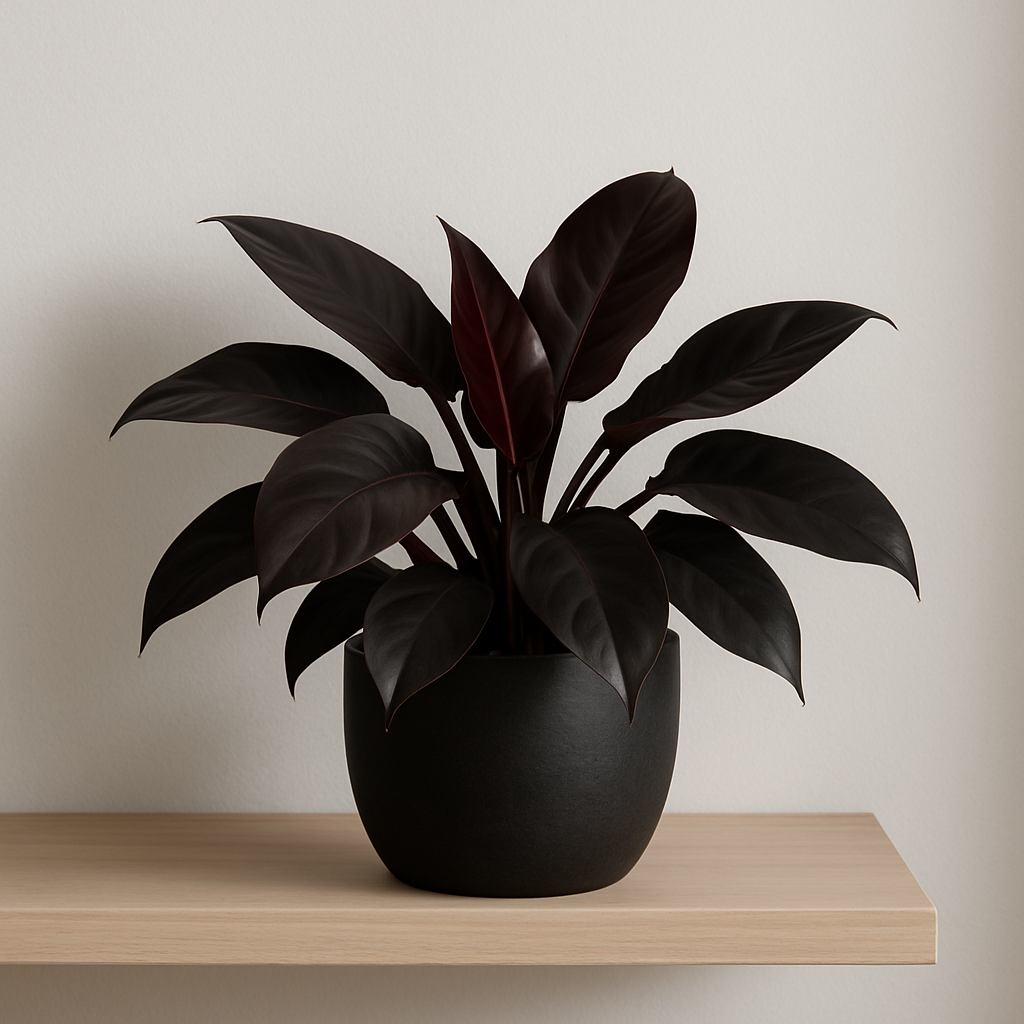
Dark foliage plants are design assets. Use them that way.
The contrast principle: Dark plants look best against light backgrounds. White walls, light shelves, neutral surfaces — these create the dramatic contrast that makes dark foliage pop.
Pot color choices:
- White or cream pots: Classic, clean, lets the plant be the hero
- Matte black or charcoal pots: Modern, moody, seamless
- Terracotta or earth tones: Warm but can get lost with very dark plants
- Concrete or stone: Industrial, texture-rich, works with the moody aesthetic
Grouping tip: A cluster of dark foliage plants together can look intense (in a great way). Mix with lighter green or variegated plants for balance.
Plant stands: Elevate your dark plants. A good plant stand does double duty — showcases the plant and makes it visible in the room.
Where to Buy Dark Foliage Plants
Dark foliage plants have moved from specialty nurseries to mainstream online plant shops. Here's where to look:
- Etsy — Good for smaller, starter-sized plants. Check seller reviews carefully.
- Bloomscape — Widely available, decent quality, standard shipping.
- Homedics (no, wait) — For more rare varieties, try specialty nurseries and importers.
- Local nurseries — Worth checking if you want to see the plant before buying.
For a curated list of online plant shops we trust, see our best online plant shops guide.
For harder-to-find varieties — certain Alocasia forms, rare Philodendrons — Etsy and specialty nurseries are your best bets. Expect higher prices for rare dark foliage specimens.
FAQs — Dark Foliage Houseplants
Do dark foliage plants need more light than green plants? Generally, yes. The dark pigment (anthocyanins) requires light to produce. Too little light and you'll get washed-out or green new growth. Keep them in bright indirect light for best color. That said, plants like ZZ Raven and Philodendron Black Cardinal tolerate lower light better than Alocasia.
What's the easiest dark foliage plant for beginners? ZZ Raven. It's nearly indestructible, tolerates low light, and rarely has pest problems. Rubber Plant Burgundy is also forgiving. Alocasia Black Velvet is the hardest of the common dark plants.
Why are the leaves on my dark plant turning green? Not enough light. Move to a brighter location (still indirect) or supplement with a grow light.
How often should I water dark foliage plants? Let the top 2-3 inches of soil dry out between waterings. In winter or low light, let them dry more. Use a moisture meter to remove the guesswork.
Do I really need a humidifier for dark foliage plants? If you're growing Alocasia or other tropical dark foliage plants and your home humidity is below 50-60%, yes. A humidifier is the most reliable way to maintain consistent humidity. Pebble trays help but aren't enough for high-humidity plants alone.
Why do my dark foliage plants get spider mites so easily? Spider mites love dry conditions, and dark foliage plants often need higher humidity than most homes provide. Low humidity is the primary trigger. Keep humidity above 60%, inspect plants regularly, and isolate any new plants before adding them to your collection.
Can I grow dark foliage plants in a north-facing window? Some yes (ZZ Raven, Philodendron Black Cardinal), some no (Alocasia Black Velvet needs more light). North-facing windows provide low light — fine for tolerant varieties, inadequate for light-hungry dark plants.
The Bottom Line
Dark foliage plants aren't just a passing trend. They're a design choice with real care requirements — and those requirements are different from standard houseplant advice.
The key takeaways:
- Humidity is non-negotiable for tropical dark foliage (Alocasia, Philodendrons). Target 60%+.
- Bright indirect light — not direct sun, not low light. The middle ground.
- Chunky, fast-draining soil — not regular potting mix.
- Water carefully — overwatering is the #1 killer.
- Watch for spider mites — low humidity invites them.
Get those right and your dark foliage plants will thrive, not just survive.
Want more plant-specific guides? Check out our Alocasia varieties guide or browse our full collection of houseplant care guides.
Products We Love
We use and recommend these products for dark foliage plant care:
- Levoit Classic 300S Humidifier — The reliable humidifier for maintaining 60%+ humidity
- XLUX Soil Moisture Meter — Essential for eliminating overwatering guesswork
- Galaxy Orchids Premium Orchid Bark Mix — The best chunky add-in for dark foliage soil mixes
- Hoffman Horticultural Perlite — Keeps soil light, fast-draining, and oxygenated