Common Houseplant Mistakes That Kill Plants — Beginner Errors to Avoid
You're not bad at plants. You're just making fixable mistakes — and so is everyone else.
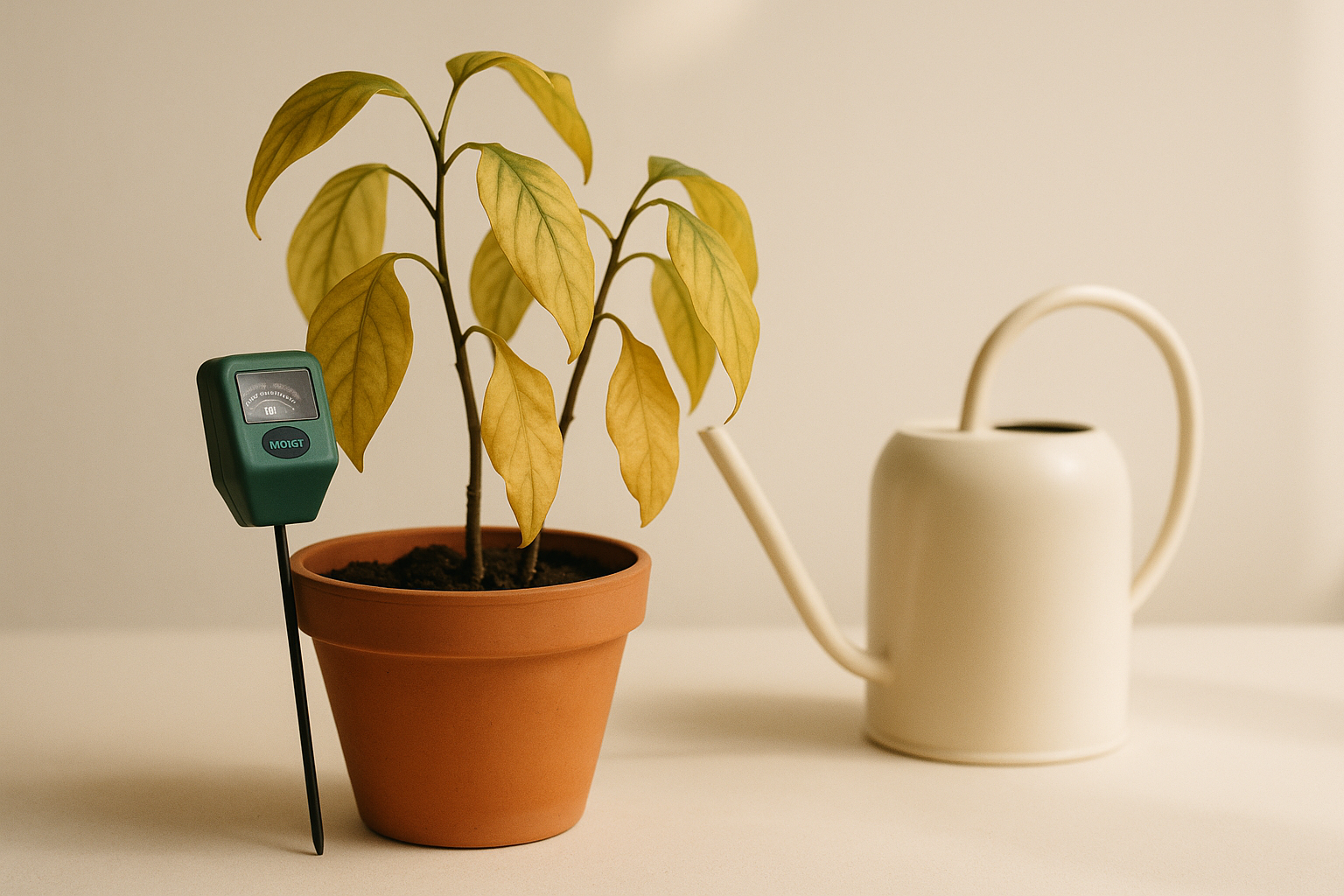
- Overwatering kills more houseplants than anything else — stop watering on a schedule
- Soil type and drainage holes matter more than most people realize
- Light requirements are not flexible — "low light" doesn't mean "dark corner"
- Most dying plants can still be saved if you catch the problem early
You killed another plant. You watered it. You put it near a window. You did everything you thought you were supposed to do. And somehow it's dead.
Here's the thing: most plants don't die from neglect. They die from well-intentioned beginners doing the exact wrong thing with total confidence. The common houseplant mistakes that kill plants aren't dramatic — they're mundane, repeatable, and very fixable once you know what you're looking for.
This is that list. Seven mistakes, why each one kills your plant (the actual biology, briefly), and what to do instead.
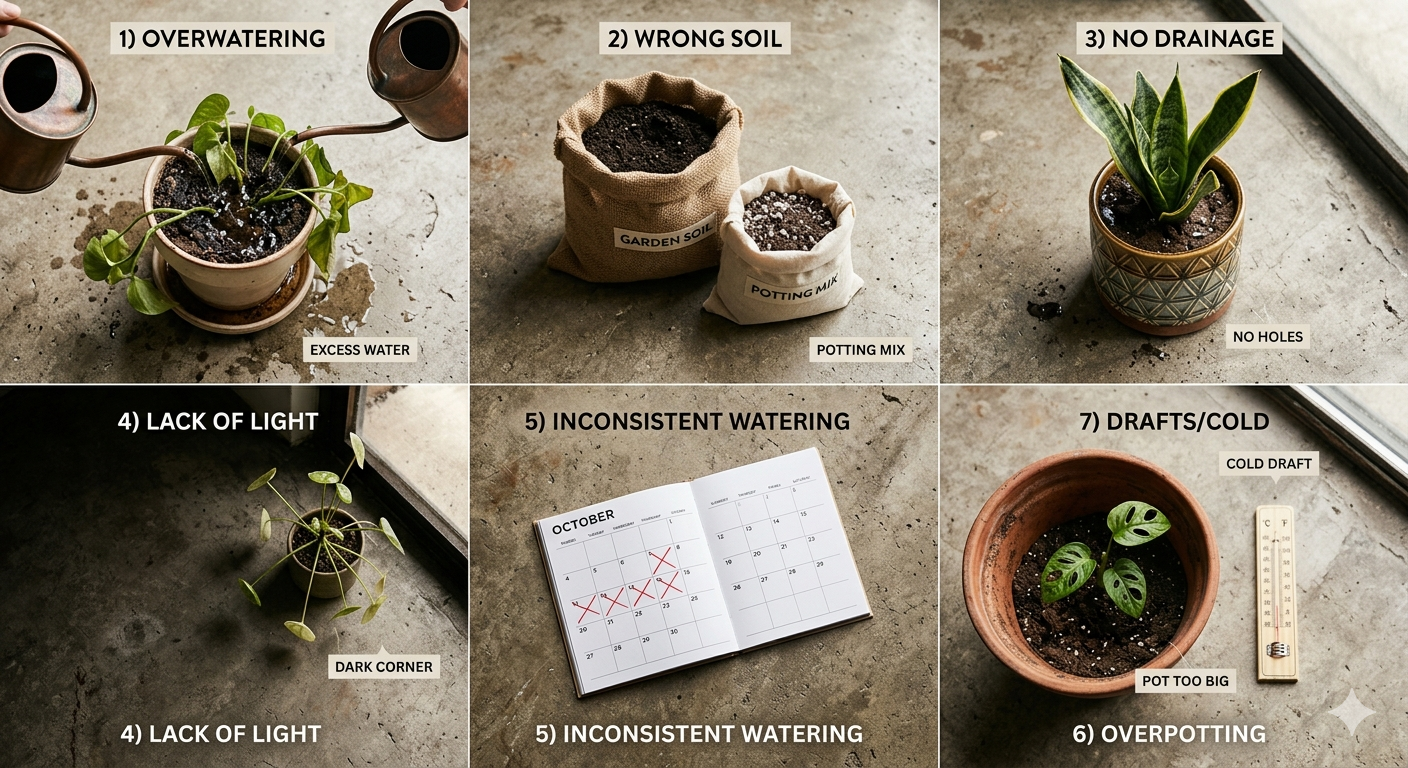
Mistake #1: Overwatering (The #1 Killer)
If you only fix one thing after reading this, make it this one. Overwatering isn't just "too much water" — it's depriving your plant's roots of oxygen. Roots need air pockets in the soil to breathe. Constantly wet soil collapses those air pockets, roots suffocate, then rot sets in. And once rot starts, it spreads fast.
Signs You're Overwatering Without Knowing It
- Yellow leaves (especially lower leaves)
- Leaves that are mushy or translucent
- Soil that's still wet several days after watering
- A sour or mildew smell from the pot
- Brown tips on otherwise-yellow leaves
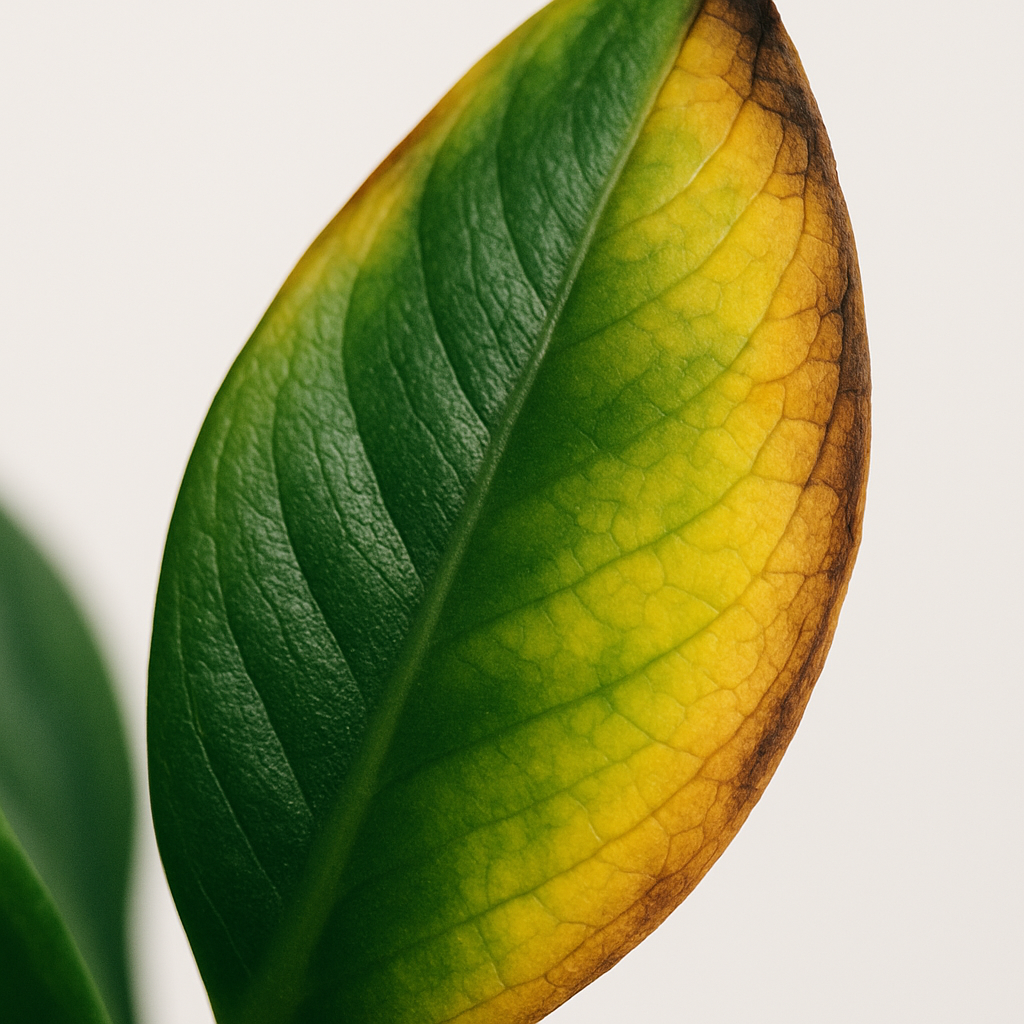
The sneaky part: overwatered plants often look thirsty. Drooping, wilting, looking generally sad — those symptoms show up for both too much and too little water. Before you water a drooping plant, check the soil first.
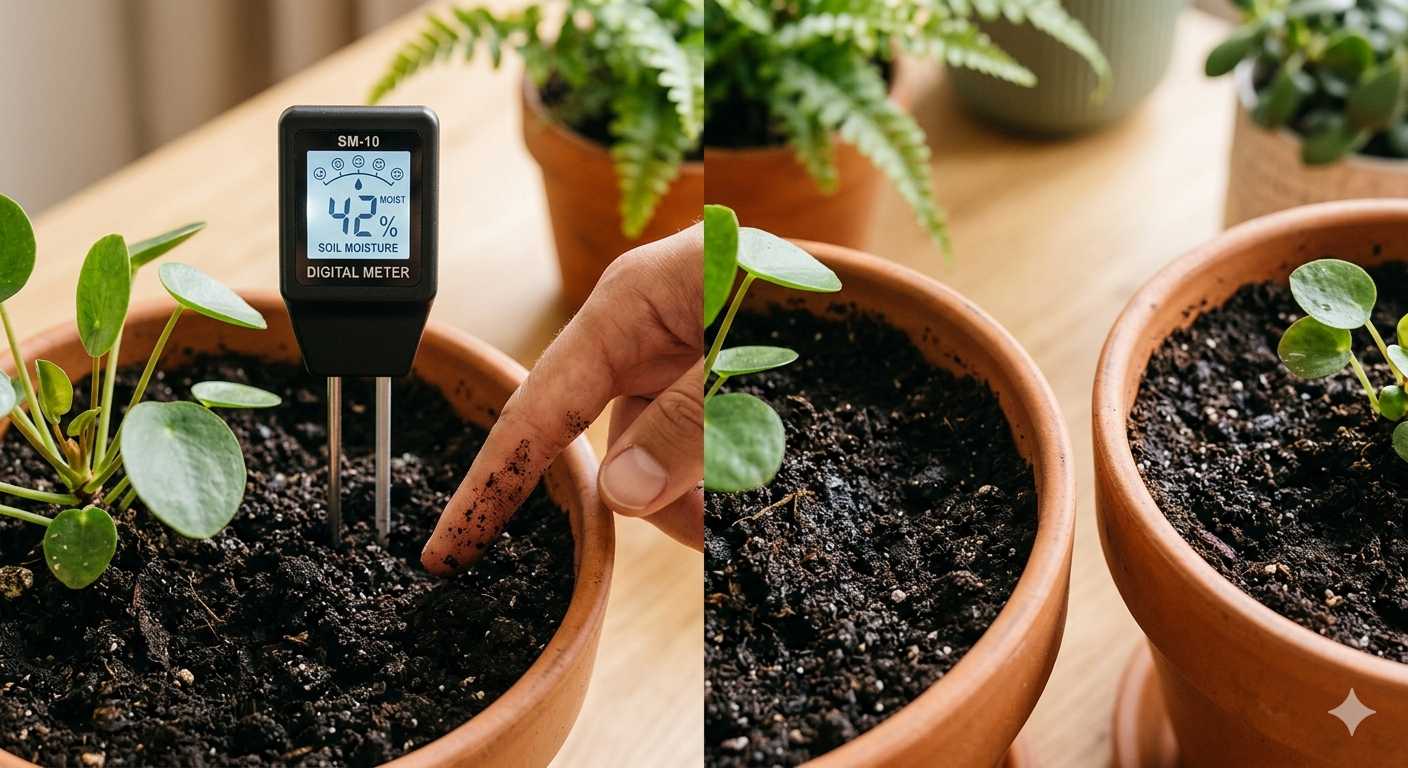
The single fastest fix: stop guessing whether the soil is dry. Stick your finger two inches into the soil — if it's still damp, wait. Or use a moisture meter and take the guesswork off the table entirely.
Check Soil Moisture Before You Water — XLUX T10 Moisture Meter →
If you think you've already overwatered and root rot might be involved, check our guide on how to treat root rot — it covers what to look for and when it's salvageable.
Mistake #2: Using the Wrong Soil
Generic potting mix from the dollar store is not the same as quality indoor potting soil. And garden soil — the stuff meant for outdoor beds — is actively harmful to most houseplants.
Here's why: garden soil compacts indoors. It was designed to be turned, aerated, and rained on. Inside a pot, it turns into a dense, airless block that strangles roots and holds so much moisture it practically invites rot.
What the Right Soil Actually Does
Good indoor potting mix is engineered to:
- Stay loose and well-aerated even in a pot
- Drain quickly so roots aren't sitting in water
- Provide the right nutrient balance for indoor growing
A quality potting mix makes everything else easier — watering rhythm, drainage, root health. It's the single cheapest upgrade most beginners can make.
Get the Right Soil for Healthier Roots — Fox Farm Ocean Forest →
Mistake #3: No Drainage Holes
Decorative pots are beautiful. They're also plant coffins if they don't have drainage.
Without a drainage hole, excess water has nowhere to go. It pools at the bottom of the pot. Your plant's roots sit in standing water. Root rot is practically inevitable.
Why Drainage Holes Are Non-Negotiable
Even if you're careful about watering, mistakes happen. You water a little too much. A well-meaning roommate waters it again while you're away. Without drainage, that water has no exit. With drainage, it just runs through.
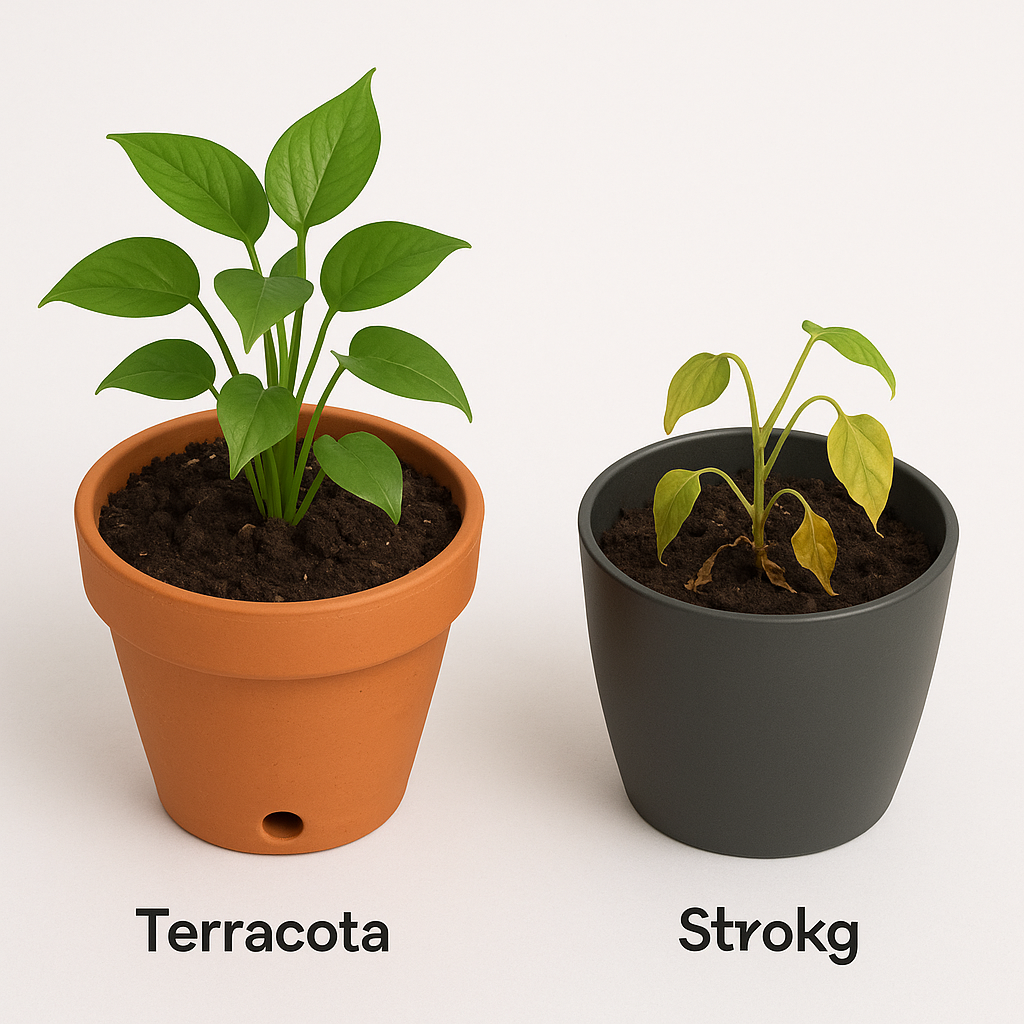
Pot Materials 101
- Terracotta: The best starter pot. Porous clay wicks moisture away from the soil, so it naturally helps prevent overwatering. Has drainage holes as standard.
- Ceramic glazed: Pretty, heavier, holds moisture longer. Fine if you're careful about watering — but use one with drainage.
- Plastic: Lightweight and retains moisture (better for plants that like wet soil, like ferns). Should still have drainage holes.
The "pretty pot" trap is real. You bought a gorgeous ceramic pot without holes, you put your plant in it, it dies in two months, and you blame yourself. Blame the pot.
Start with the Right Pots — Breathable Terracotta with Drainage →
Mistake #4: Ignoring Light Requirements
"Low light" doesn't mean "the dark corner of your bedroom." It means "bright indirect light isn't strictly necessary" — but every plant still needs some light to photosynthesize.
Signs Your Plant Is Stretching for Light
- Long, leggy stems with wide gaps between leaves (called etiolation)
- Small, pale new leaves instead of full-sized ones
- The plant leaning dramatically toward the nearest window
- Slow or no growth over several months
The fix is usually just moving the plant closer to a window. But "closer to a window" also means understanding direction:
- South-facing windows: Most light, best for sun-lovers
- East/West-facing windows: Moderate indirect light, works for most houseplants
- North-facing windows: Lowest light, best for true low-light plants like pothos and ZZ plants
If you're in a space with genuinely poor light, a grow light can bridge the gap — it's not a dramatic intervention, just a fix for a real problem.
Mistake #5: Watering on a Schedule
"Water every Tuesday" is a plant death sentence. Plants don't care what day of the week it is — they care about soil moisture levels, which change based on season, temperature, pot size, plant size, and humidity.
In winter, a plant that needed water every 7 days in summer might only need water every 14-21 days. Water it on your Tuesday schedule and you're overwatering it into the ground.
The Finger Test, Pot Lift Test, and Moisture Meter Method
Finger test: Stick your index finger two inches into the soil. Still damp? Wait. Dry? Water.
Pot lift test: Learn what a dry pot feels like vs. a wet pot. Once you know the difference, you can check without touching the soil. Lightweight = dry. Heavy = still wet.
Moisture meter: Takes all the guesswork out. You stick the probe in, the dial tells you. Especially useful for plants in large pots where the surface is dry but the bottom is still saturated.
Go Beyond Moisture — Measure Light and pH Too — SunJoe 3-in-1 Meter →
For a deeper look at building a watering rhythm that actually works, our watering guide breaks it down by plant type.
Mistake #6: Wrong Pot Size
Bigger pot does not mean happier plant. A pot that's too large holds more soil than the roots can use — and that excess soil stays wet, creating a rot-friendly environment around the roots. A pot that's too small compresses the root system and stops growth.
Too Big = Root Rot Waiting to Happen
If a plant's roots can only use half the soil in a pot, the other half stays wet indefinitely. That pooled moisture is where root rot starts.
Rule of thumb: When repotting, go up one size — usually 1-2 inches in diameter. That's it. Don't jump from a 4-inch pot to a 10-inch pot because you think the plant deserves more room.
Too Small = Stunted Growth
Signs your plant needs a larger pot:
- Roots circling the bottom or poking out of drainage holes
- Water rushing straight through when you water (no absorption)
- Plant seems stuck — no new growth for months despite good conditions
When you do size up, use fresh potting mix, water thoroughly, and give the plant a few weeks to settle in.
Mistake #7: Not Adjusting for Seasons
Plants are not static. They change with the seasons, and your care routine should too.
In winter, most houseplants go semi-dormant. They slow down. They need less water, less fertilizer, and lower expectations. If you're still watering at the same frequency as summer, you're waterlogging plants that have essentially hit pause.
Winter = Dormant = Different Water Needs
- Reduce watering frequency by 30-50%
- Hold off on fertilizing entirely until spring
- Watch out for cold drafts near windows — even "cold-hardy" houseplants don't appreciate freezing air
- Keep plants away from heating vents (dry, hot air stresses them)
Summer = Active Growth = More Resources
- Water more frequently as the soil dries faster
- Resume fertilizing (monthly for most houseplants)
- Repotting season — spring and early summer are ideal
- Monitor for pests, which thrive in warm, humid conditions
Bonus: Signs Your Plant Is Trying to Tell You Something
Plants communicate. You just have to know what you're looking at.
Yellow leaves: Usually overwatering. Could also be nutrient deficiency or too little light if it's consistently all-over yellowing with no wet-soil correlation.
Brown leaf tips: Usually low humidity or salt buildup from tap water or fertilizer. Less often a watering issue.
Drooping: Could be underwatering (soil is dry, plant is thirsty) or overwatering (soil is wet, roots are struggling). Always check soil first before watering.
Leggy stems: Not enough light. Move it closer to a window.
Crispy edges on otherwise green leaves: Low humidity, or possibly wind from an AC/heating vent blowing directly on the plant.
For a full symptom checklist, the Plant ER guide walks through diagnosis step by step — useful when you can see something's wrong but can't pinpoint the cause.
How to Save a Dying Plant
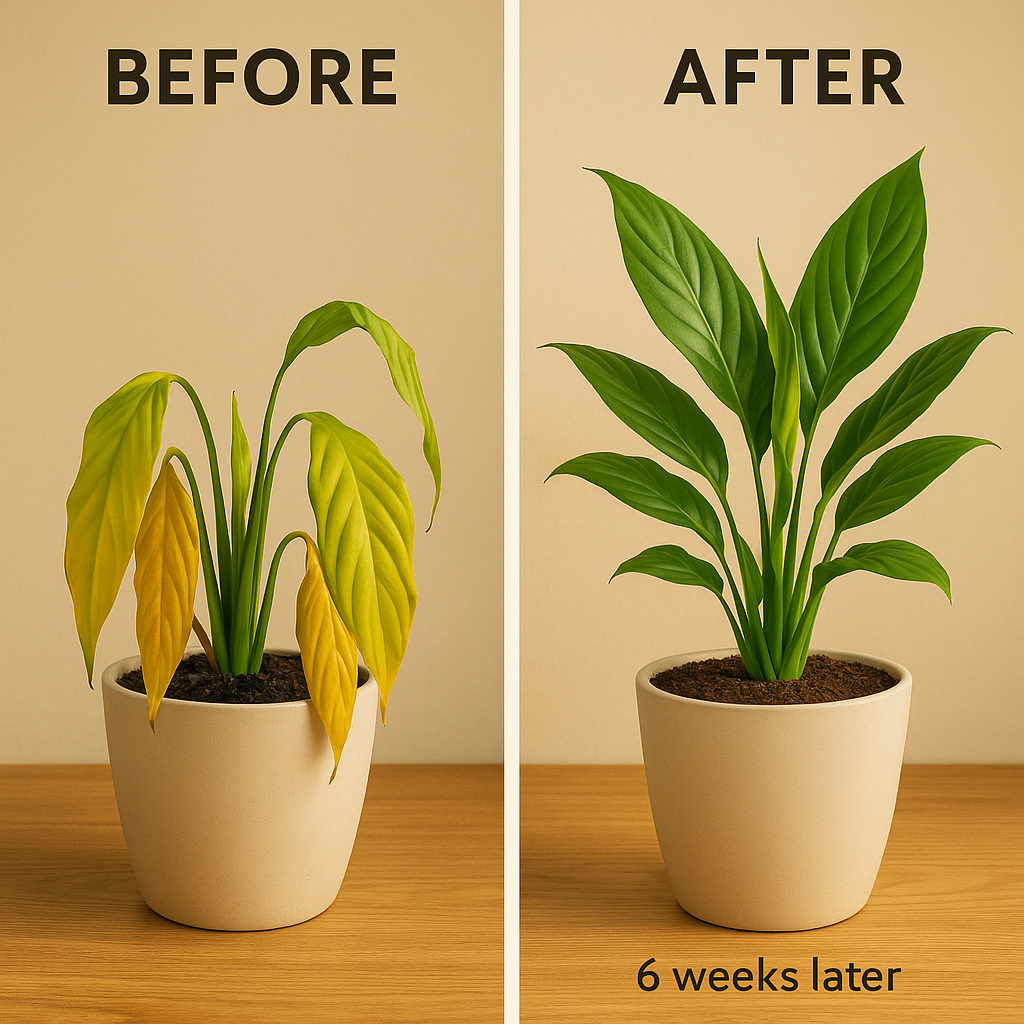
Most plants that look dead are not actually dead. They're stressed. There's a difference, and it's usually visible at the roots.
Step 1: Check the Roots
Tip the plant out of its pot and look at the roots. Healthy roots are white or light tan and firm. Rotten roots are brown or black, mushy, and may smell. If you see rot, trim the damaged sections with clean scissors and repot in fresh, dry soil.
Step 2: Assess Soil Moisture
Is the soil soaking wet? Let it dry out completely before watering again. Is it bone dry and pulling away from the pot edges? Water thoroughly, letting it drain fully.
Step 3: Adjust Light
If the plant is in a dark corner, move it. If it's in direct harsh afternoon sun, move it. Most houseplants want bright indirect light — near a window but not in the sun's direct path.
Step 4: When to Propagate Instead of Save
If more than 50% of the roots are rotted, the plant is unlikely to recover fully. Instead of fighting it: take healthy cuttings and propagate them. You get new plants from the wreckage. It's not defeat — it's efficiency.
The truth about the common houseplant mistakes that kill plants is that none of them are catastrophic on their own. They're small, repeatable errors that compound over weeks until the plant gives up. Fix the watering. Fix the soil. Fix the pot. Most plants will respond.
You didn't kill your plants because you're bad at this. You killed them because nobody told you these seven things upfront.
Now you know.
Products We Love
Tools that prevent every mistake on this list:
- XLUX T10 Soil Moisture Meter — No batteries, no fuss. Stick it in the soil and know instantly whether to water. The fix for Mistake #1 and Mistake #5.
- Fox Farm Ocean Forest Potting Mix — Premium potting soil that stays loose, drains well, and gives roots the oxygen they need. The fix for Mistake #2.
- Terracotta Pots with Drainage, 4-inch 6-pack — Breathable clay, drainage holes included, affordable starter pack. The fix for Mistake #3 and Mistake #6.
- SunJoe 3-in-1 Soil Meter (Moisture + Light + pH) — Measures moisture, light levels, and soil pH. For the plant parent who wants the full picture.