Calathea Care Guide: Complete Beginner's Guide (2026)
The "difficult" plant that isn't actually difficult — once you know these three things.
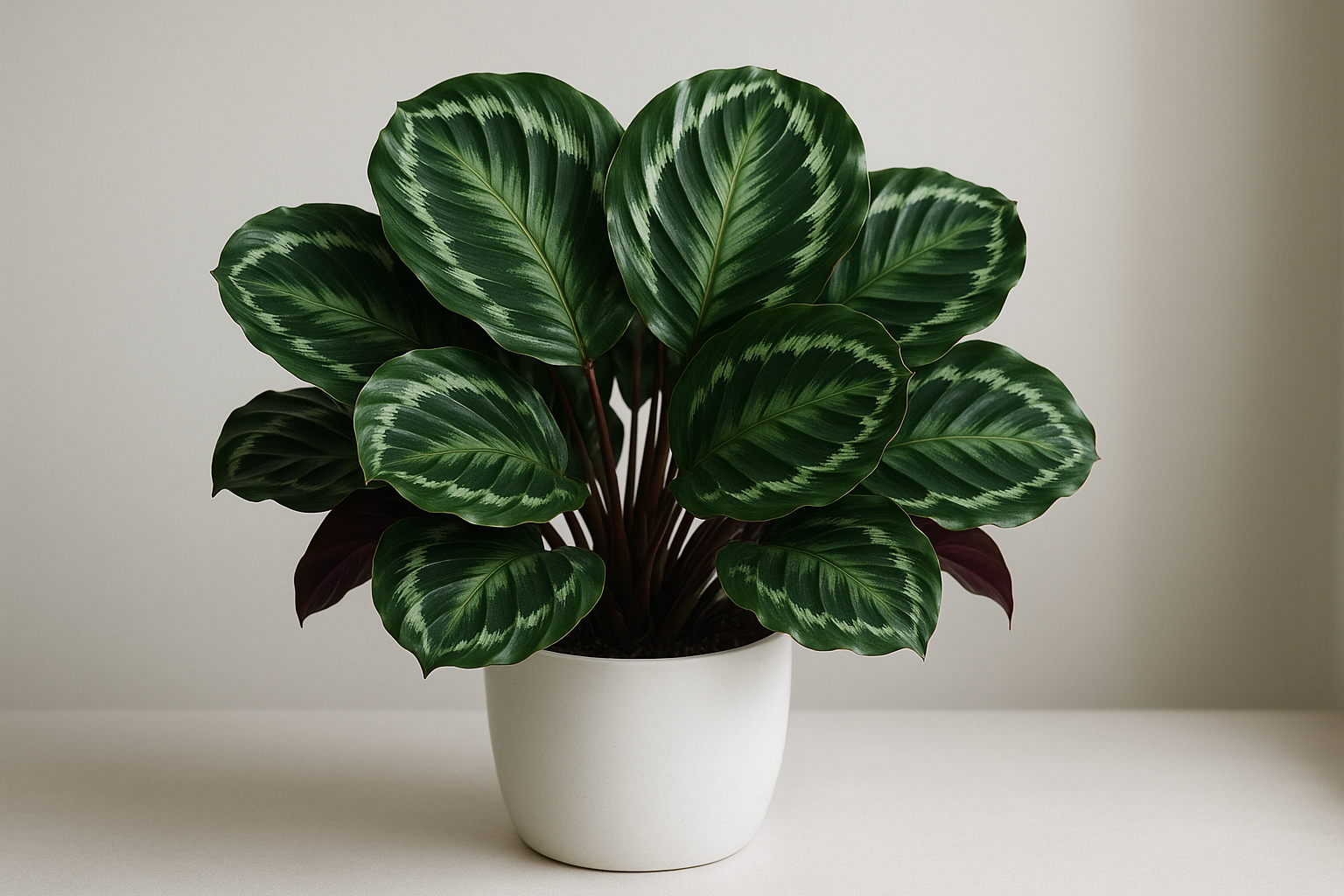
Why Calathea Gets a Bad Rap (And Why It Shouldn't)
Calathea has a reputation as the "difficult" plant. The diva of the houseplant world. The plant that will die if you look at it wrong.
Here's the thing: that reputation is earned — but it's also overblown.
Yes, Calathea is pickier than a pothos. It won't forgive you for neglecting it for three weeks while you vacation. It has opinions about water quality that would make a sommelier look basic.
But here's what most guides don't tell you: 90% of Calathea problems come from just three things.
- Water quality — tap water minerals build up and burn the leaves
- Humidity consistency — inconsistent humidity causes crispy edges
- Light — too much direct sun fries them, too little stunts growth
Get these three right and your Calathea will thrive. Get them wrong and it'll slowly brown itself into oblivion while you panic-googling "why is my Calathea dying."
This guide covers all three in detail, plus soil, potting, troubleshooting, and which varieties are actually forgiving enough for beginners. Let's get into it.
What Makes Calathea Different: The Prayer Plant Secret
Calathea belongs to the Marantaceae family — the "prayer plant" family. These plants have a party trick: nyctinasty, or the ability to move their leaves in response to light.
During the day, Calathea leaves spread out to catch as much light as possible. At night? They fold upward, like hands in prayer. Hence: prayer plant.
This movement is controlled by specialized cells at the base of each leaf (called pulvinae) that change water pressure. It's not magic — it's botany. And it's one of the reasons Calathea feels "alive" in a way most houseplants don't.
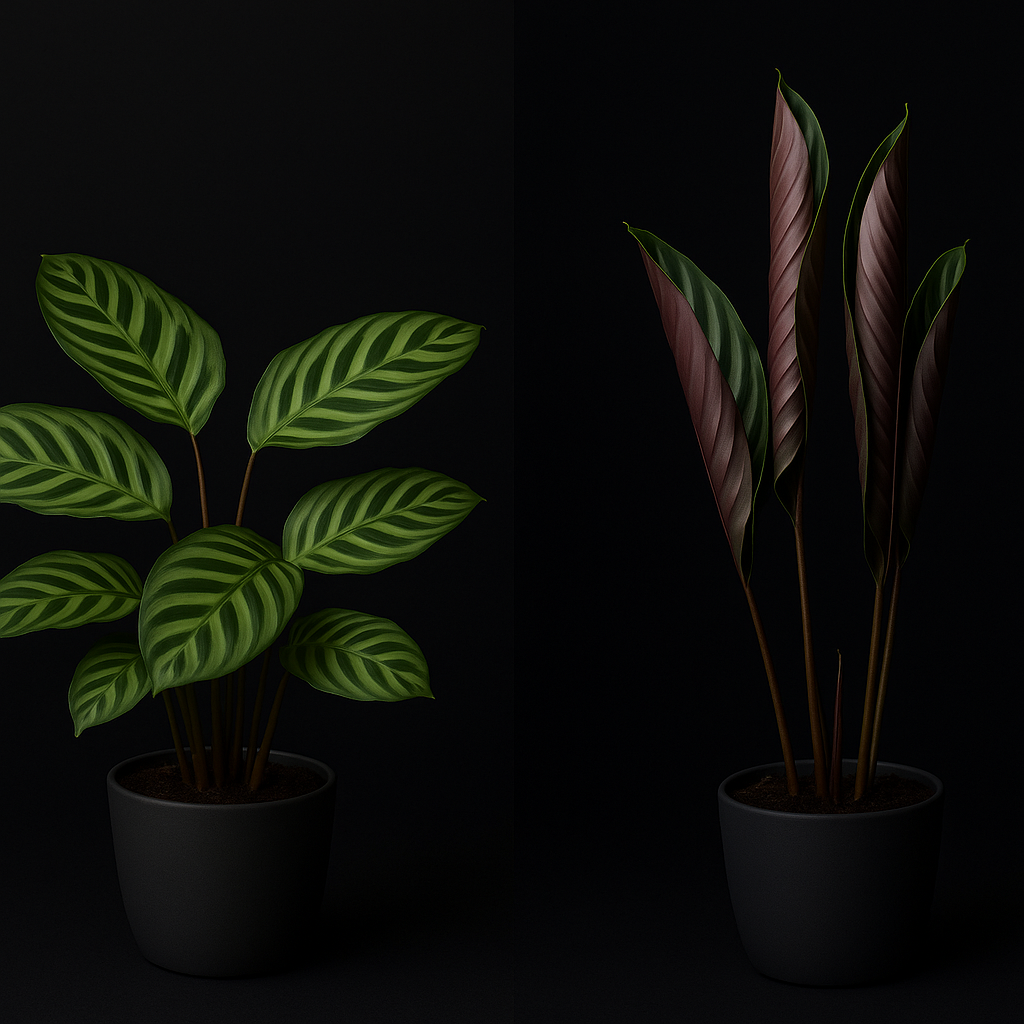
What this means for you:
- If your Calathea isn't moving at night, something might be wrong (more on this in troubleshooting)
- The movement is a great health indicator — a healthy Calathea will visibly change position from day to night
- It's not just cool, it actually helps the plant conserve moisture and protect itself
Light Requirements: Bright Indirect is Key
Calathea comes from the understory of tropical rainforests — meaning it grows beneath the canopy, where sunlight filters through in bright but indirect doses.
What this means in practice:
- Bright indirect light is the sweet spot. Think 3-6 feet from a south or west-facing window, or directly in an east-facing window.
- Direct sun will burn the leaves. You'll see brown scorched patches, faded colors, or crispy edges.
- Low light won't kill them outright, but growth will slow, leaves may lose their vibrant patterns, and the plant becomes more susceptible to overwatering problems.
Best spots for Calathea:
- 3-6 feet from a south or west window
- East-facing window (morning sun is gentle)
- North-facing window (usually fine, might need to watch in winter)
- Bathrooms with good natural light (humidity bonus!)
Avoid:
- Direct sun on the leaves (no south window sills)
- Dark corners with no natural light
- Rooms with only artificial lighting (they'll survive but won't thrive)
Watering Your Calathea: The #1 Mistake to Avoid
Here's where most people mess up: watering frequency.
Calathea likes consistent moisture — but not sogginess. Think "wrung-out sponge" not "swamp."
How Often to Water
The real answer? It depends. Your home's humidity, temperature, pot size, soil type, and the season all factor in.
A general starting point:
- Summer/active growth: Every 5-7 days
- Winter/dormant: Every 10-14 days
- Always check the soil first.
Get the Dr.meter Moisture Meter — take the guesswork out of when to water your Calathea.
The Finger Test (Free Method)
- Stick your finger 1-2 inches into the soil
- If it feels dry at that depth → water
- If it feels moist → wait a few more days
Watering Method
When you water, water thoroughly:
- Pour water slowly over the entire soil surface
- Let it drain through completely
- Empty the saucer after 15-30 minutes
Never let Calathea sit in standing water — root rot is real and devastating.
Water Quality: The Secret Most Guides Skip
This is the section most Calathea guides gloss over, and it's also the #1 cause of brown leaf tips.
Calathea is extremely sensitive to:
- Chlorine (tap water)
- Fluoride (tap water)
- Salts and minerals (tap water, softener water)
- Tap water pH (usually too alkaline)
The result? Brown, crispy leaf edges — even when you're watering perfectly.
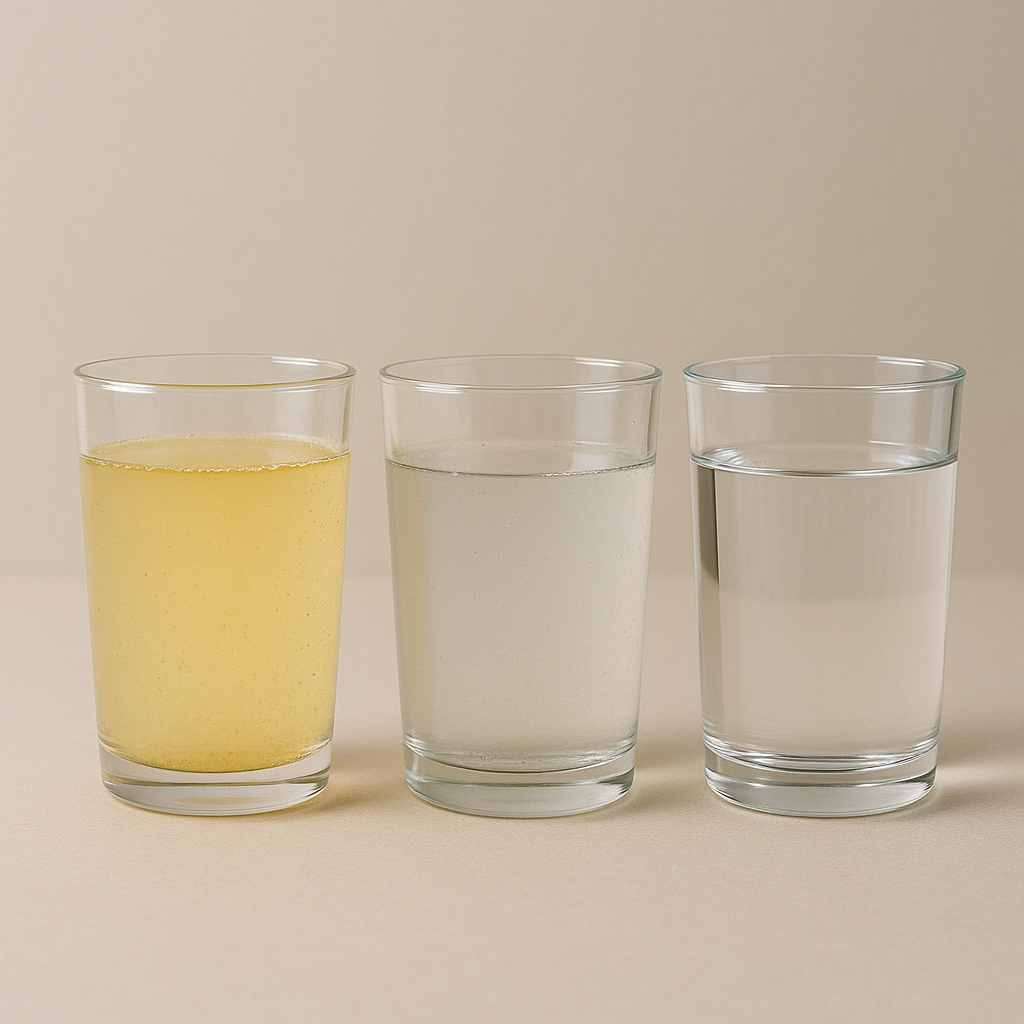
Solutions (Ranked by Effort)
-
Filtered water — A See ZeroWater Pitcher on Amazon removes fluoride, chlorine, and most dissolved solids. Easy, cost-effective.
-
Distilled water — Pure H2O, no minerals at all. Cheap to buy in bulk, but lugging gallons home gets old.
-
Leave tap water out — Let it sit uncovered for 24-48 hours. Chlorine evaporates, but minerals stay. Better than nothing, but not a full solution.
-
Rainwater — If you have a way to collect it, rainwater is perfect. Natural, soft, free.
The fix is simple: switch to filtered or distilled water and you'll see improvement within 2-3 weeks. New leaves will come in healthy. Existing brown tips won't spread.
Humidity: Creating the Right Environment
Calathea is a tropical plant. It wants 50-60% humidity minimum. Most homes sit at 30-40%.
Low humidity shows up as:
- Brown, crispy leaf edges
- Curling leaves
- Drooping or wilting despite moist soil
- Slow growth
The Misting Myth
Let me be clear: misting does almost nothing.
Spraying water on leaves raises humidity for about 30 seconds before it evaporates. It can also leave water spots on those beautiful patterned leaves and potentially encourage fungal issues.
If you want to mist, go ahead — it's not harmful in small doses. But don't expect it to solve your humidity problems.
What Actually Works
Get the Levoit Humidifier on Amazon — this is the most reliable way to hit that 50%+ humidity target.
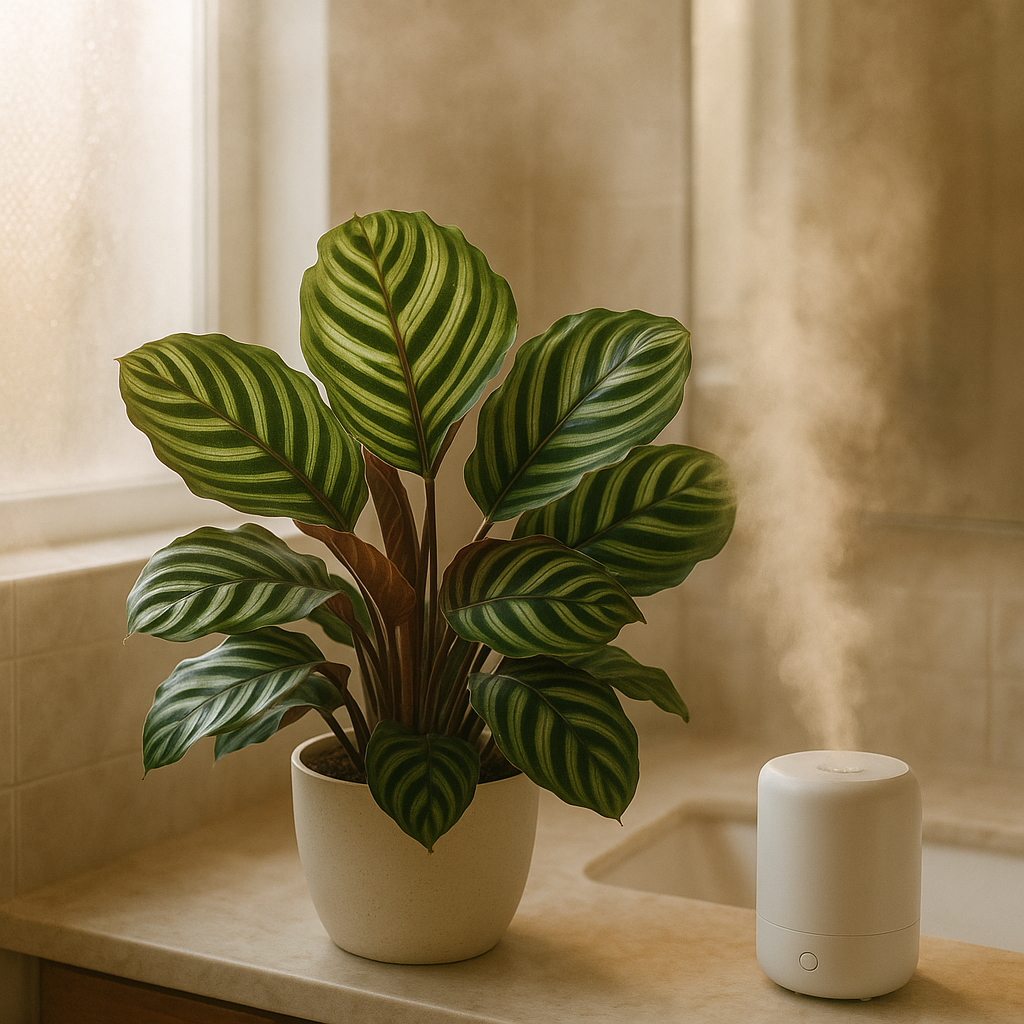
Other options:
- Pebble trays — A tray with pebbles and water beneath the pot. Provides slight humidity boost, limited effectiveness.
- Grouping plants — Plants release moisture through transpiration. Grouping Calathea with other plants creates a microclimate.
- Bathroom placement — Natural humidity from showers makes bathrooms ideal if there's enough light.
- Terrariums — Enclosed environments maintain humidity naturally. Works great for smaller Calathea varieties.
Soil & Potting: Drainage is Everything
Calathea wants moisture-retentive soil that also drains well. That's a balance.
The problem with standard potting mix: It holds too much water. Calathea roots need air — sitting in soggy soil leads to root rot.
The problem with cactus mix: It drains too fast. Calathea will dry out too quickly between waterings.
The Solution: Aroid/Marantaceae Mix
See FoxFarm Potting Mix on Amazon — or make your own blend:
DIY Calathea Soil Mix:
- 2 parts quality potting soil
- 1 part perlite
- 1 part orchid bark or charcoal
- 1 part coco coir or peat moss
This gives you: moisture retention + drainage + aeration.
Potting Tips
- Always use a pot with drainage holes. No exceptions.
- Size matters. Calathea likes to be slightly rootbound. Go up 1-2 inches in diameter max when repotting.
- Terra cotta vs. plastic: Terra cotta dries out faster (good if you tend to overwater), plastic retains moisture longer (good if you underwater). Either works if you adjust watering accordingly.
Common Calathea Problems & Solutions
Here's where I give you the troubleshooting flowchart other guides skip.
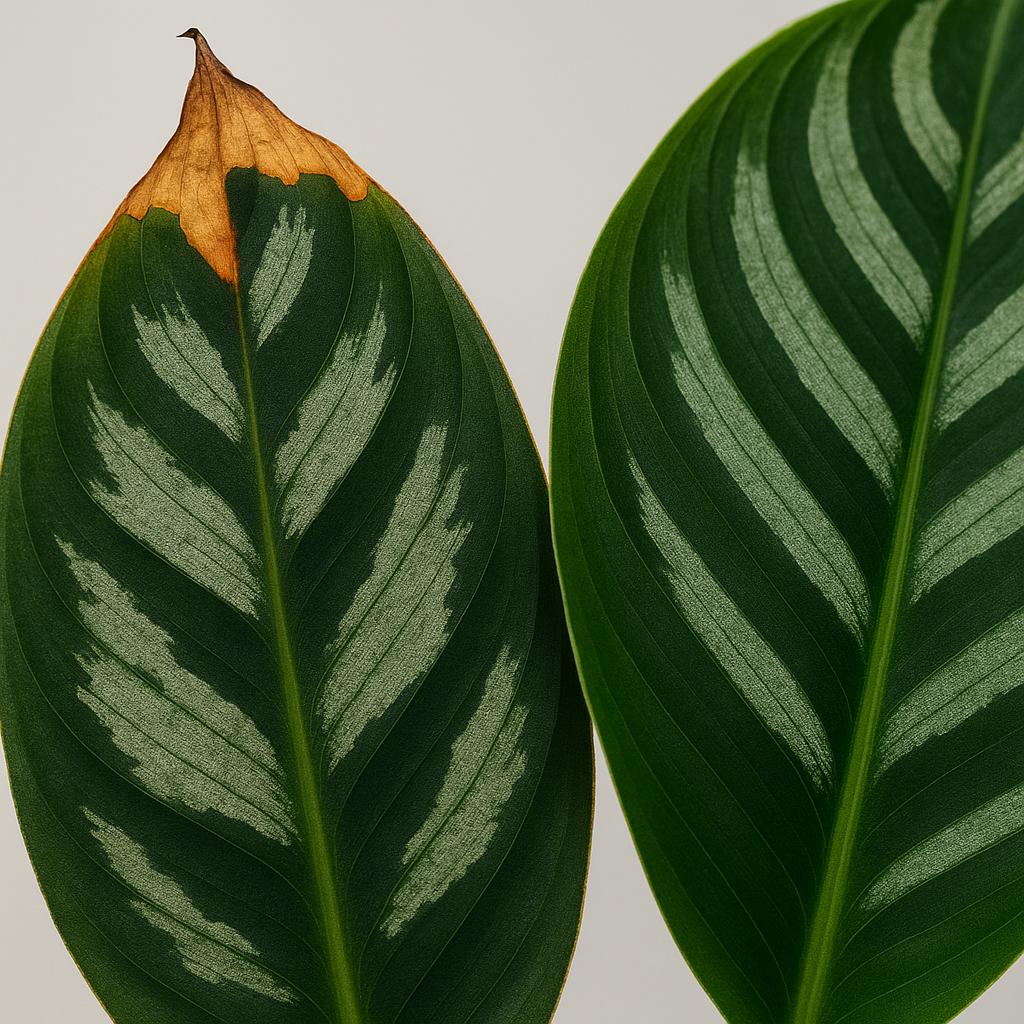
Brown Leaf Edges/Tips
Most common causes:
- Water quality — The #1 cause. Switch to filtered/distilled water.
- Low humidity — Below 50%. Add a humidifier.
- Fertilizer burn — Too much fertilizer causes salt buildup. Flush soil or reduce feeding.
What to do: Identify which cause is most likely based on your setup, fix it, and remove affected leaves (they won't recover). New growth will be healthy.
Leaves Curling
Causes:
- Underwatering — Soil too dry. Water thoroughly and check more frequently.
- Low humidity — Leaves curl to conserve moisture. Add humidity.
- Root damage — Root rot prevents water uptake. Check roots, repot if needed.
What to do: Check soil moisture first. If it's dry, water. If it's moist and still curling, it's humidity. If leaves don't unfurl after addressing both, check for root rot.
Yellow Leaves
Usually caused by:
- Overwatering — Most common. Let soil dry out more between waterings.
- Direct sun burn — Yellowing + brown patches = too much light. Move to lower light.
- Natural aging — Old leaves at the base yellow and die. Normal. Pull off when crispy.
Drooping Leaves
Calathea drooping can mean:
- Underwatering — Quick fix: water thoroughly.
- Root rot — Roots can't uptake water. Check for mushy, black, or smelly roots. Repot in fresh soil if caught early; propagate if rot is severe.
- Humidity too low — Add humidity.
Calathea Not Closing at Night
If your Calathea isn't doing the prayer thing:
- It's new — Give it 2-3 weeks to adjust to your home
- Not enough light during the day — Movement requires light difference
- Something's wrong — Check for root issues, humidity problems, or pest infestations
A healthy Calathea will move. If it's not, investigate.
Best Calathea Varieties for Beginners
Not all Calathea is created equal. Some varieties are shockingly forgiving; others will test your patience.
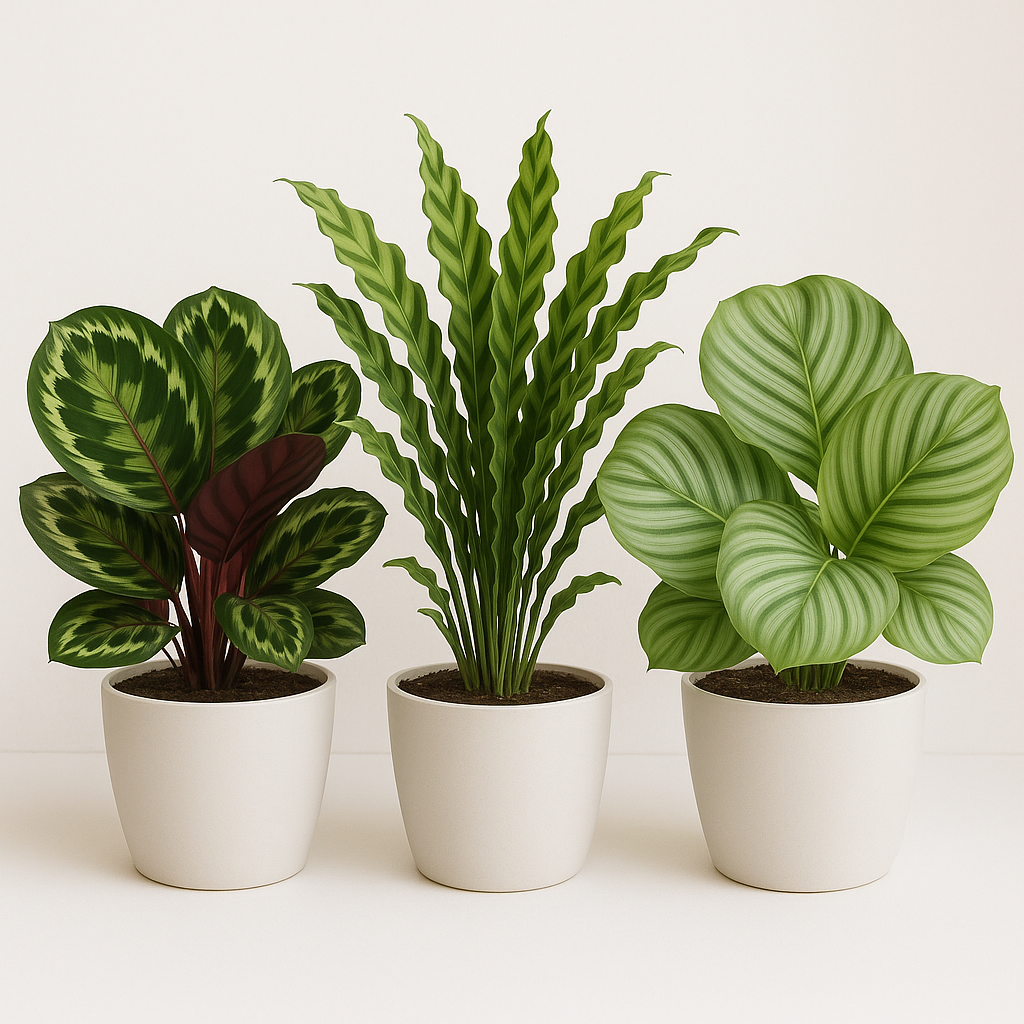
Best Calathea for Beginners
-
Calathea Medallion — The classic. Beautiful silver-green patterns, relatively forgiving, widely available.
-
Calathea Freddie — Long, wavy leaves with dark green stripes. More tolerant of minor care slips than others.
-
Calathea Orbifolia — Round, striped leaves that get big. Absolutely gorgeous and surprisingly hardy.
-
Calathea Rufibarba — "Furry" texture on the undersides of leaves. Unique look, easier humidity requirements than most.
Worth It But Trickier
- Calathea White Fusion — Stunning variegation, but needs more humidity and is slower growing
- Calathea Musaica (Network) — Intricate leaf patterns, more sensitive to water quality
- Calathea Ornata (Pinstripe) — Classic pinstripes, beautiful but finicky
Start with Medallion, Freddie, or Orbifolia. They'll teach you what Calathea needs without punishing every mistake.
Quick Calathea Care Checklist
Here's the TL;DR for quick reference:
- Light: Bright indirect, no direct sun
- Water: Every 5-7 days in summer, 10-14 days in winter (check soil first)
- Water quality: Filtered or distilled only
- Humidity: 50%+ (use a humidifier)
- Soil: Well-draining but moisture-retentive mix
- Pot: With drainage holes, sized appropriately
- Temperature: 65-80°F (18-27°C)
- Fertilizer: Monthly in spring/summer, none in fall/winter
Get these basics right and your Calathea will thrive. Most problems stem from water quality or humidity — fix those two things and you'll be 90% of the way to success.
The Bottom Line
Calathea isn't a "difficult" plant — it's a specific plant. It has needs, and once you meet them, it's smooth sailing.
The three things to remember:
- Filtered water solves 90% of brown tip issues
- 50%+ humidity keeps leaves crispy-crispy-free
- Bright indirect light keeps patterns vibrant and growth healthy
Start with a forgiving variety like Medallion or Freddie, get a humidifier and a filter pitcher, and you'll have a Calathea that prayers at night and looks stunning during the day.
Want more plant care guides? Check out our troubleshooting guides for diagnosing specific problems, or browse our complete houseplant care library.
Products We Love
We use and recommend these products for Calathea care:
- Levoit Humidifier Classic 200 — Essential for maintaining 50%+ humidity
- ZeroWater 10-Cup Pitcher — Removes fluoride and chlorine that cause brown leaf tips
- Dr.meter Moisture Meter — Takes the guesswork out of watering
- FoxFarm Potting Soil — Well-draining mix perfect for Calathea roots