Best Budget Grow Lights for Indoor Plants (2026)
You don't need a $200 setup to keep your plants happy. Here's what actually works.
Why Budget Grow Lights Make Sense for Houseplants
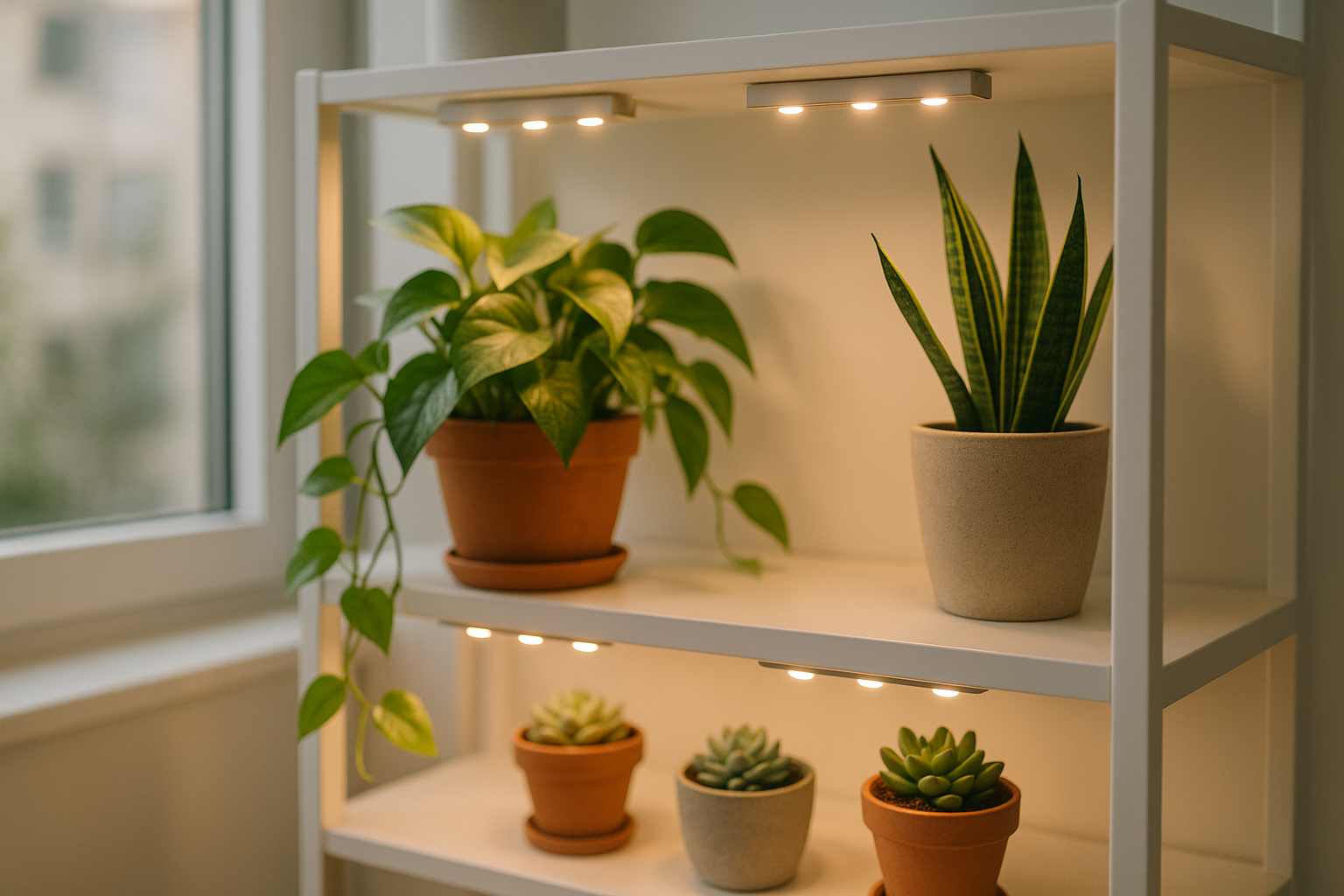
Here's the thing: most houseplants are already adapted to survive in lower-light conditions than their native habitats. They're not demanding divas — they just need enough light, not a full sun simulation.
Budget grow lights fill that gap without draining your wallet. A $30 bulb or clip-on light can make the difference between a plant that's surviving versus one that's actually pushing new growth.
The myth: You need expensive full-spectrum panels to see results.
The reality: Most houseplants — pothos, philodendrons, snake plants, ZZ plants — do just fine with basic LED grow lights. The "full spectrum" marketing is mostly cannabis-industry spillover. Your pothos doesn't care about PAR ratings.
What budget lights can't do: grow vegetables at scale or provide light for a commercial grow op. But for the average plant parent with a windowsill or shelf collection? Absolutely sufficient.
What to Look for in a Budget Grow Light
Skip the jargon. Here's what actually matters:
1. Light type: LED Incandescent grow lights are basically heaters that happen to emit light. LED runs cool, uses a fraction of the energy, and lasts years. Every budget recommendation here is LED.
2. Color spectrum Full spectrum (white light) is nice but not required. Red/blue LEDs work — they just look weird in your living room. White LEDs blend better with your space and still do the job.
3. Power and coverage A single grow bulb covers one or two plants. A clip-on or panel can handle a small shelf. Match the light to your space — don't buy a panel for one succulent.
4. Power source USB-powered lights are endlessly convenient. Plug into a power bank, laptop, or any USB adapter. Great for apartments where outlets are limited.
5. Timer features Some budget lights have built-in timers (usually 3/6/12 hour cycles). Nice to have, not required — you can just remember to turn them on and off.
Our Top Budget Picks by Category
Under $25: Best Entry-Level Options
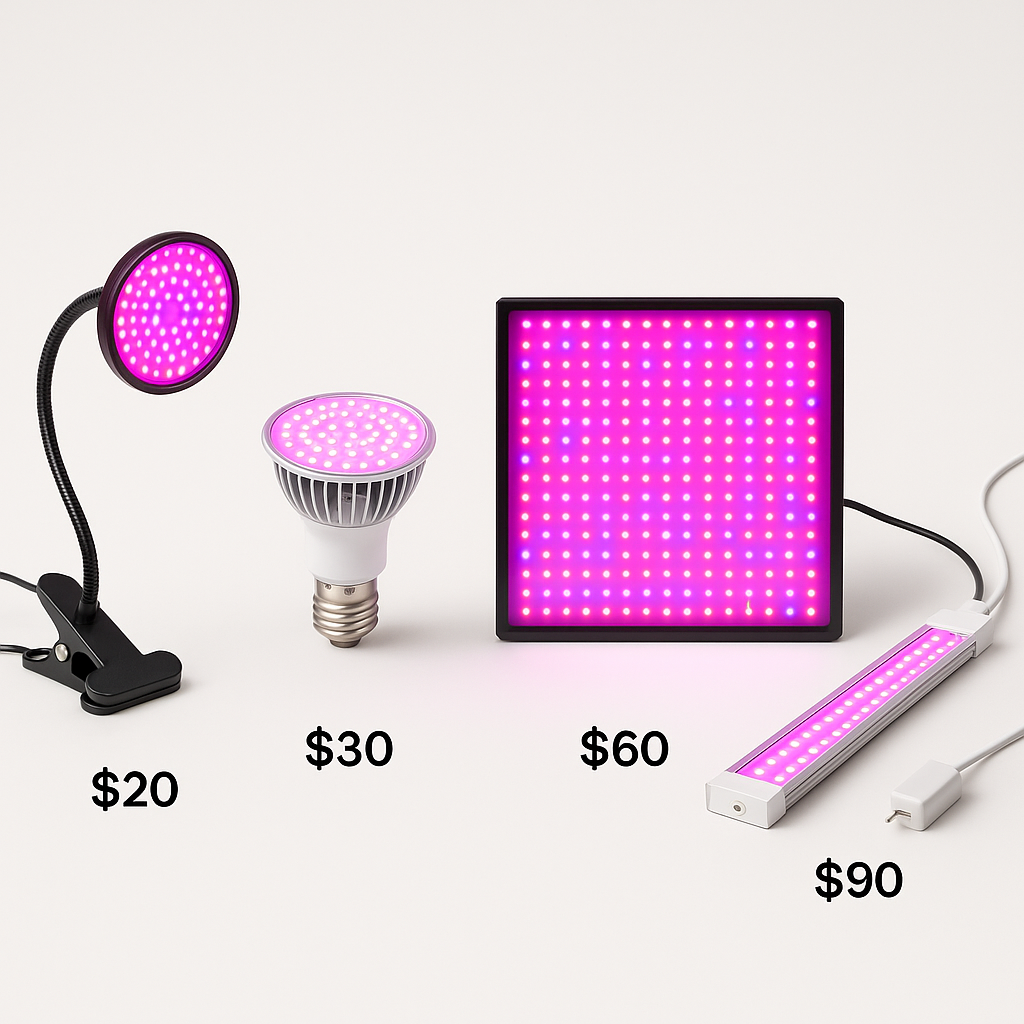
If you're just starting out or want to test the waters, a grow light bulb is the lowest-commitment option. It screws into any standard lamp you already own.
The GE bulb is the gold standard for "I already have a lamp." It puts out solid grow light with zero learning curve. Perfect for a single plant or a small cluster near a window that needs a boost.
$25-50: Best Value Picks
Ready to level up? This price range gets you better coverage, more flexible positioning, and often some nice-to-have features like adjustable brightness.
The SANSI is the middle-ground pick that punches above its weight. Full spectrum, good brightness, and the build quality justifies stepping up from the basic bulbs. Great if you're serious about a few plants but not ready to go full grow op.
Best for Small Spaces: Clip-On Lights
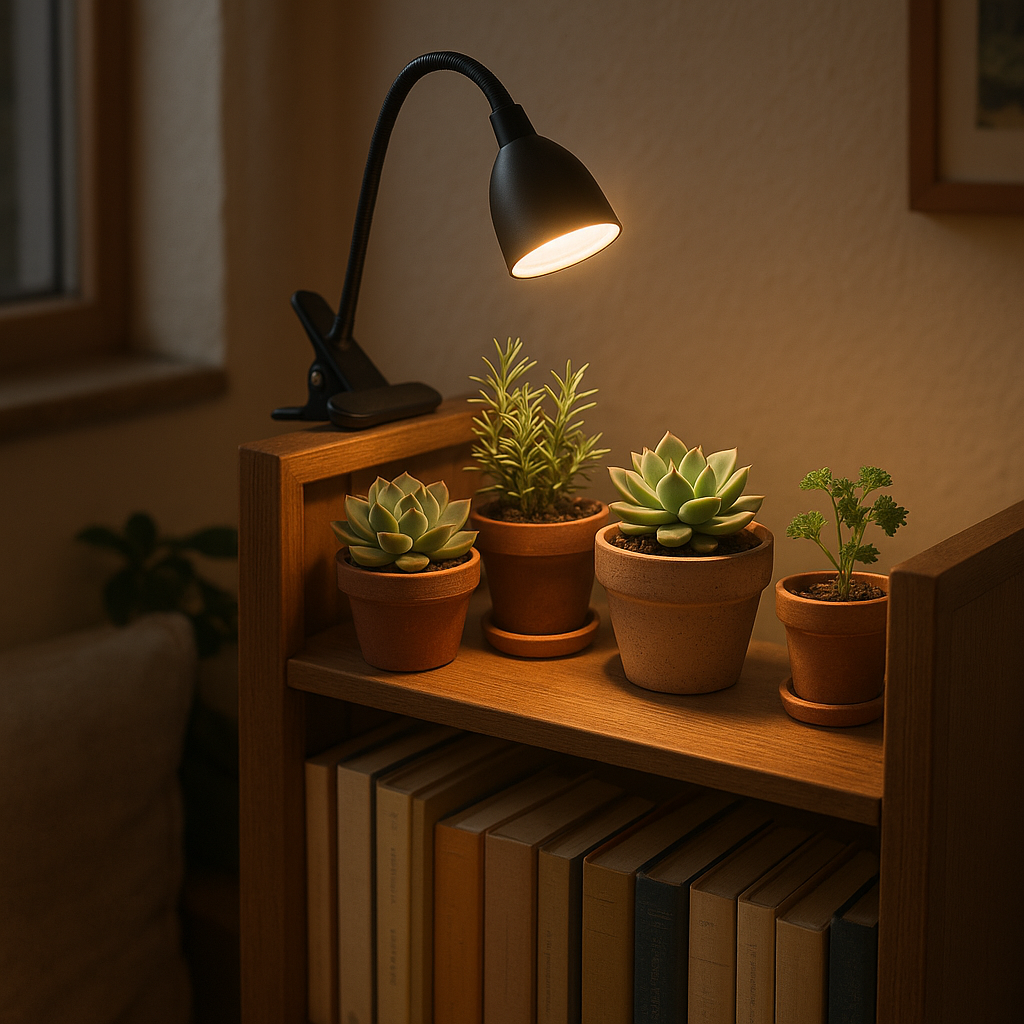
If you're working with limited counter space, a shelf, or just need something that can clamp anywhere, clip-on lights are the answer.
GooingTop LED Grow Light with Clip →
USB-powered, versatile, and consistently high-rated. The gooseneck lets you direct light exactly where you need it. Ideal for apartments where every outlet counts.
How to Use Your Grow Light: Placement & Duration
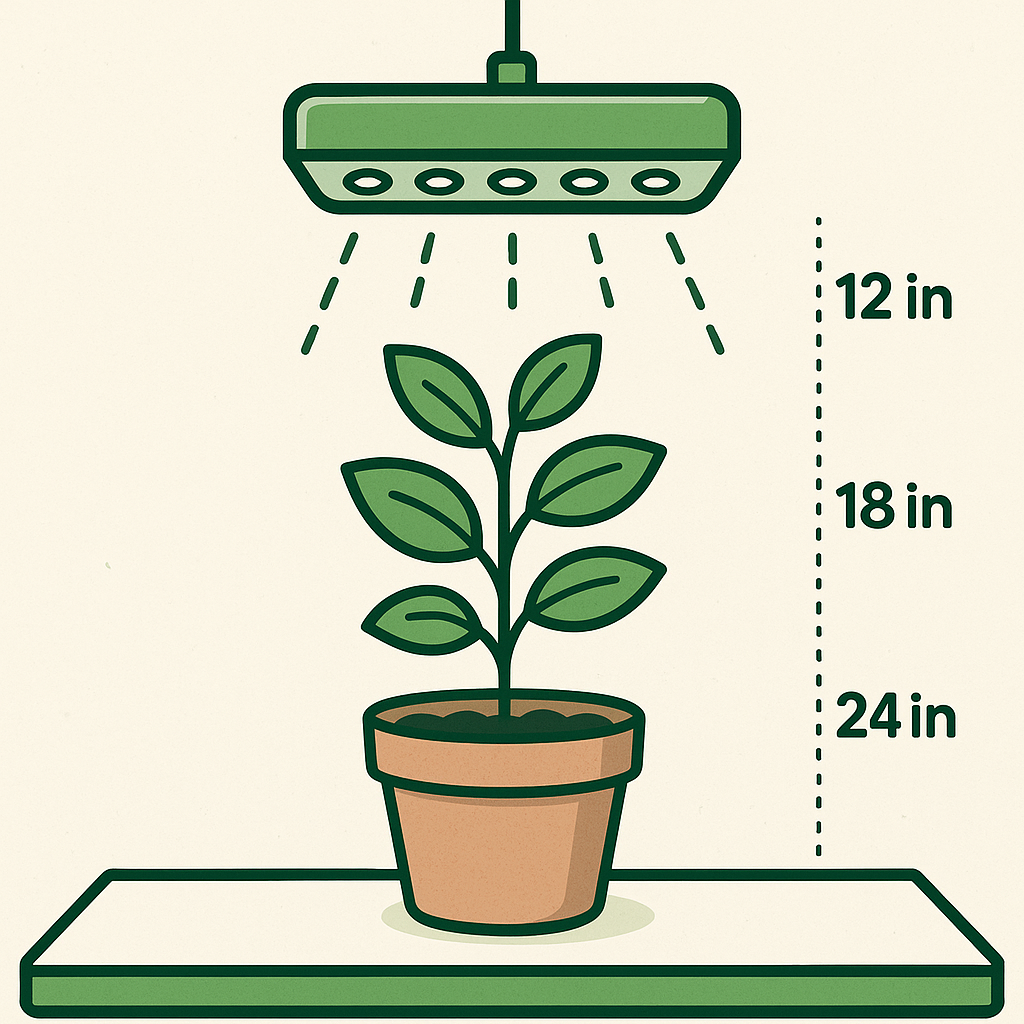
How Far Should My Grow Light Be From Plants?
Here's the simple rule: 12-24 inches for most LED budget lights.
Too close and you risk leaf burn (yellowing or crispy edges). Too far and the light's too weak to do anything. If your light feels hot to the touch, move it further away.
- Bulbs in lamps: 12-18 inches above plant tops
- Clip-on lights: 6-12 inches (they're lower-powered but closer)
- Panels: 18-24 inches (more powerful, can be further away)
How Long Should I Run My Grow Light?
Plants don't need 24/7 light — they're not solar panels. Aim for 8-12 hours daily.
- Low-light plants (snake plant, ZZ, pothos): 8 hours is plenty
- Medium-light plants (monstera, fiddle leaf): 10-12 hours
- Light-hungry plants (succulents, herbs): 12+ hours
Consistency matters more than exact timing. Set a timer or put it on the same schedule as your daily coffee.
Common Mistakes to Avoid
1. Running lights 24/7 More light isn't always better. Plants need darkness to respire. 8-12 hours is the sweet spot.
2. Placing lights too close That "more power is better" mindset will burn your plants. Keep a safe distance.
3. Ignoring heat Budget LEDs run cool, but some panels can get warm. Check periodically.
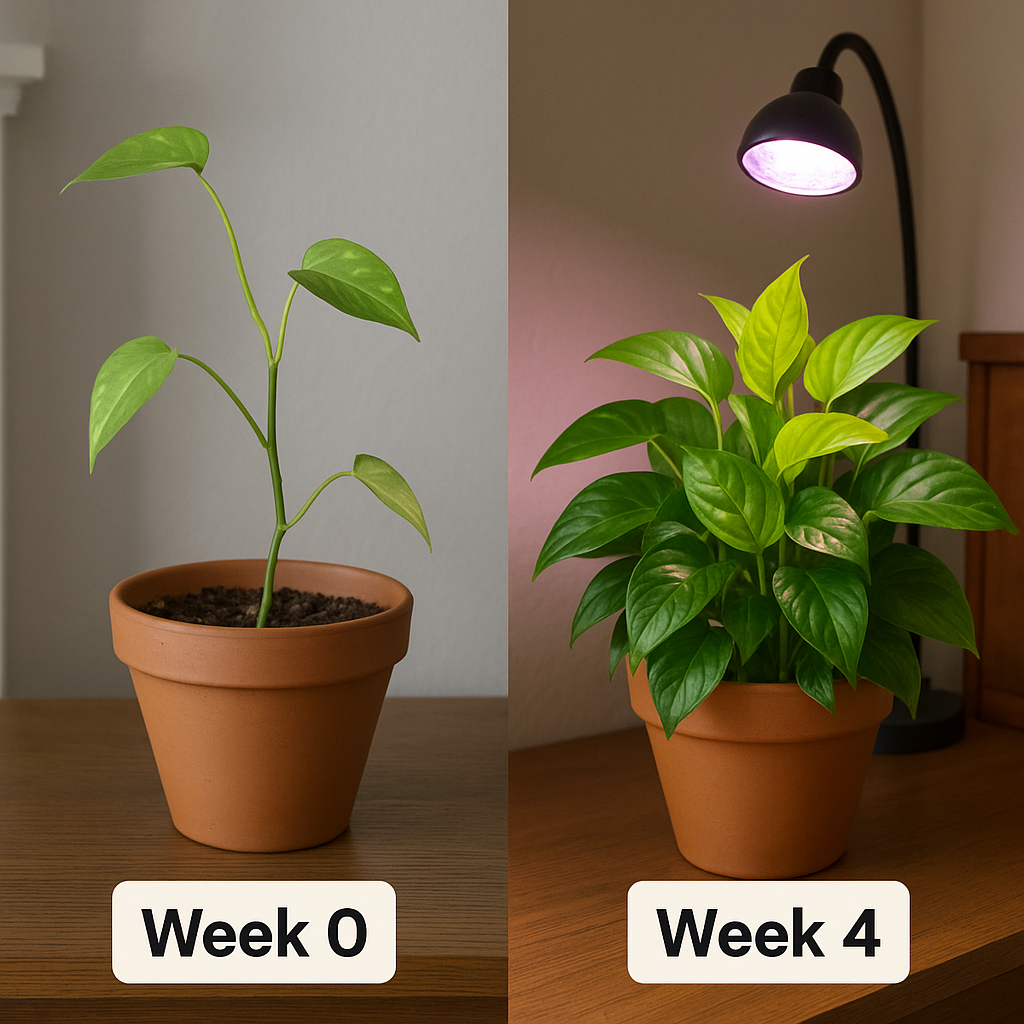
4. Expecting miracles overnight Plants take weeks to show results. Give it 3-4 weeks before deciding if it's "working."
5. Buying way more light than you need One bulb or clip-on covers a few plants. Don't buy a grow room panel for three pots.
Frequently Asked Questions
Can I use a regular LED bulb instead of a grow light?
Regular LEDs emit some light in the blue-red spectrum that plants use, but they're not optimized for plant growth. A dedicated grow bulb is worth the small investment.
Do budget grow lights work for succulents?
Yes — succulents are actually ideal candidates because they need more light than most houseplants and often live in lower-light indoor spots where budget lights can really help.
Will grow lights increase my electric bill?
Negligibly. A basic LED grow bulb uses around 10-15 watts. Running it 10 hours a day for a month costs roughly $0.50-$1.00 depending on your electricity rates.
Can I use grow lights near my other houseplants?
Absolutely. Most budget lights have focused enough coverage that you can use them on specific plants without affecting the rest of your collection.
Bottom Line
Budget grow lights work. The key is matching your light to your space and your plants' needs. Start with a bulb if you want zero commitment. Upgrade to a clip-on if you need versatility. Either way, your plants will thank you.
Want to learn more about light requirements? Check out our guide to grow light placement for everything you need to know about distance, duration, and positioning.
Products We Love
We use these products ourselves and recommend them for your grow light setup:
- GE LED Grow Light Bulb — Entry-level bulb that screws into any lamp
- GooingTop LED Grow Light with Clip — USB-powered clip-on for shelves and small spaces
- SANSI LED Grow Light Bulb — Solid middle-ground full-spectrum option
- Mars Hydro TS 1000 — Upgrade pick for serious plant parents ready to invest