Best Bedroom Plants for Sleep & Clean Air — Top Picks for Your Sanctuary
Turn your bedroom into the restful retreat it should be — no more, no less.
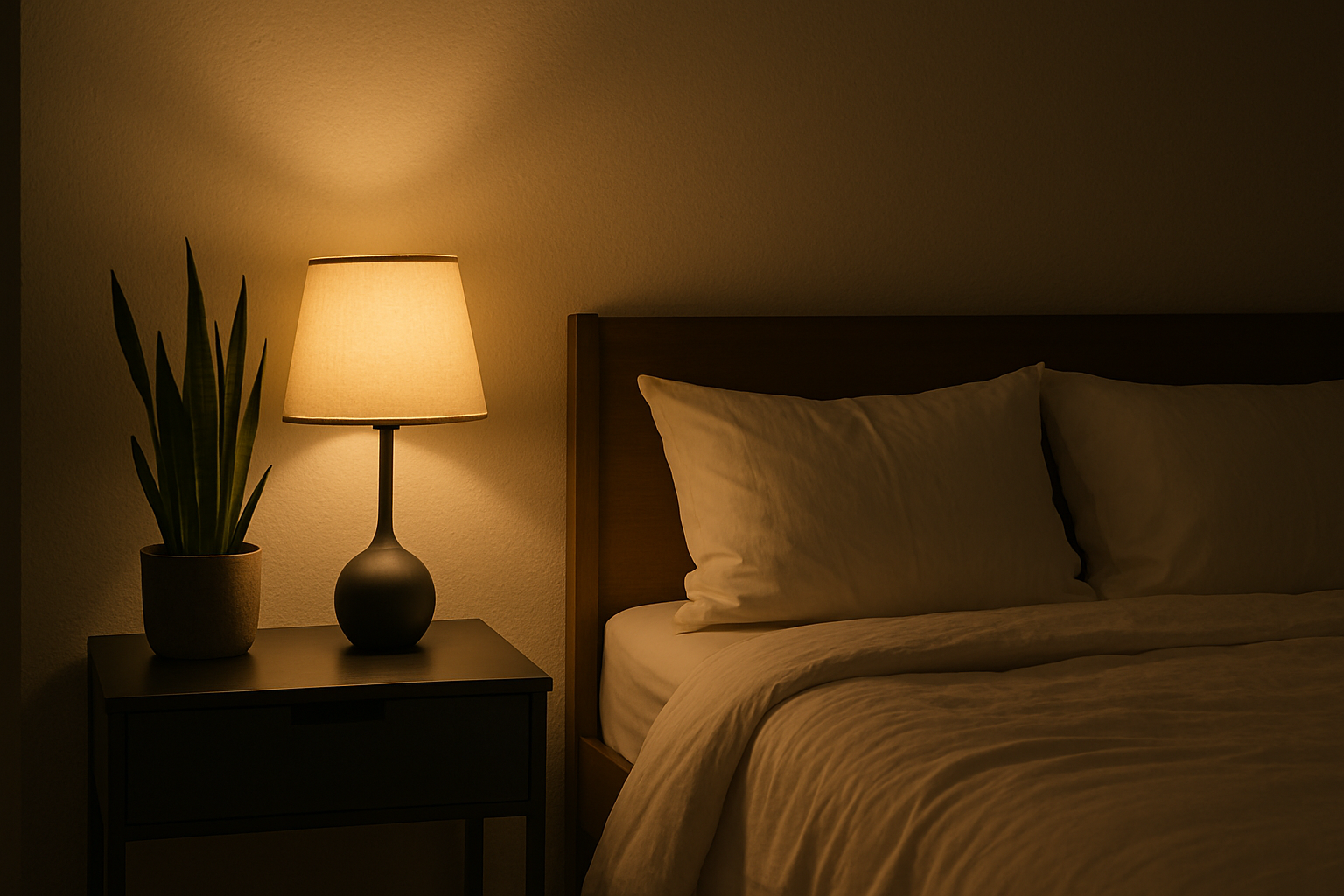
Why Bedroom Plants Transform Your Sleep
Here's the deal: your bedroom is supposed to be a sanctuary. Somewhere between the endless scroll sessions and the 2am existential dread, you actually need to sleep there. Plants help — just not in the ways you've been sold.
The oxygen question. Most plants photosynthesize during the day and respire at night, consuming oxygen. Snake plants and a few others flip this script — they keep releasing oxygen while you're unconscious and drooling on your pillow. Is it a massive amount? No. But every little bit helps when you're trying to hit REM.
Air quality — with caveats. We've already covered the plants-and-air-quality drama. The short version: plants alone won't clean your bedroom air. But they do release moisture through transpiration, which can help with that dry-throat-upon-waking situation, especially in winter when your heater turns your room into a desert.
The psychological piece. This is the real benefit. Having something alive in your space — something you care for and watch grow — lowers cortisol. A 2015 study in the Journal of Health Psychology found that plants in bedrooms reduced stress and improved sleep quality. It's not magic. It's just... nice to be around living things.
The NASA Clean Air Study: What It Actually Means
You've seen the headlines: "NASA Says These Plants Clean Your Air!" Every listicle on the internet cites the 1989 NASA study like it's scripture.
Here's what's actually true:
The NASA study was conducted in sealed chambers. No fresh air. No ventilation. The plants had nothing else to work with, so they did clean some volatile organic compounds (VOCs). Benzene. Formaldehyde. Toluene.
Your bedroom is not a sealed chamber.
You have windows. Doors. HVAC. Air exchange happens whether you want it to or not. The Drexel University review (2019) confirmed what anyone with a functioning window already knows: ventilation beats plants at air cleaning by a massive margin.
So why are we still talking about this?
Because in a sealed environment — like, say, a bedroom with the door closed and no windows — plants do technically help. It's just that the effect is small enough that you'd need 10-15 plants to notice anything. And most of you aren't putting 15 plants in your bedroom. That's a greenhouse, not a sleep space.

Our Top Picks: Best Plants for Sleep & Clean Air
We rated these based on three factors: oxygen output at night, care difficulty, and overall bedroom suitability. Call it a sanctuary score.
1. Snake Plant — The Bedroom Champion
Sanctuary Score: 9/10
This is the plant that earns its spot in every "best bedroom plants" list — and actually deserves it.
Why it works:
- Releases oxygen at night (unusual among houseplants)
- Thrives in low light, including that dark corner by your bed
- Nearly indestructible — can survive your worst watering habits
- Removes some VOCs, even if the effect is small
Care: Let the soil dry completely between waterings. Every 2-3 weeks, maybe. In winter, even less. These are succulents. They store water. They do not need you to love them with a watering can.
Light: Low to bright indirect. It genuinely doesn't care.
Pet safety: Mildly toxic if ingested. Your cat will vomit, then give you a look of betrayal. Keep it out of reach if you have curious nibblers.
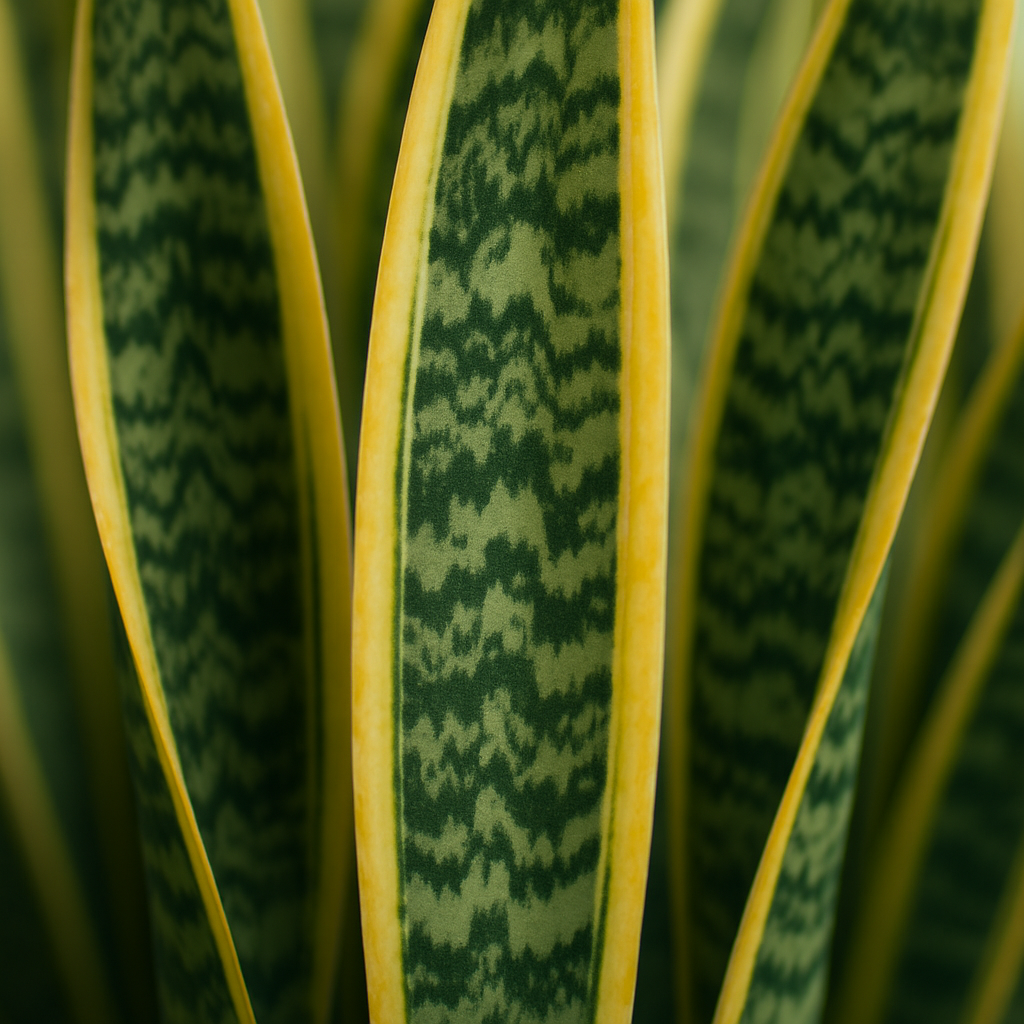
2. Peace Lily — Air Purification Queen
Sanctuary Score: 7/10
The peace lily is the most effective "air cleaning" plant from the NASA study. It's also dramatic as hell.
Why it works:
- Top performer in VOC removal (benzene, formaldehyde, ammonia)
- Beautiful white flowers that bloom seasonally -告诉你s you when it's thirsty — it droops dramatically, then perks up 20 minutes after watering
Care: Keep soil consistently moist but not soggy. It needs more attention than snake plants. If you forget to water, the dramatic droop is your cue. Don't let it go too long, or the leaves turn yellow.
Light: Low to medium indirect. Direct sun will burn those beautiful leaves.
Pet safety: Toxic. Highly toxic. If you have cats that chew on things, skip this one or put it somewhere unreachable. The ASPCA lists it as toxic to cats and dogs.
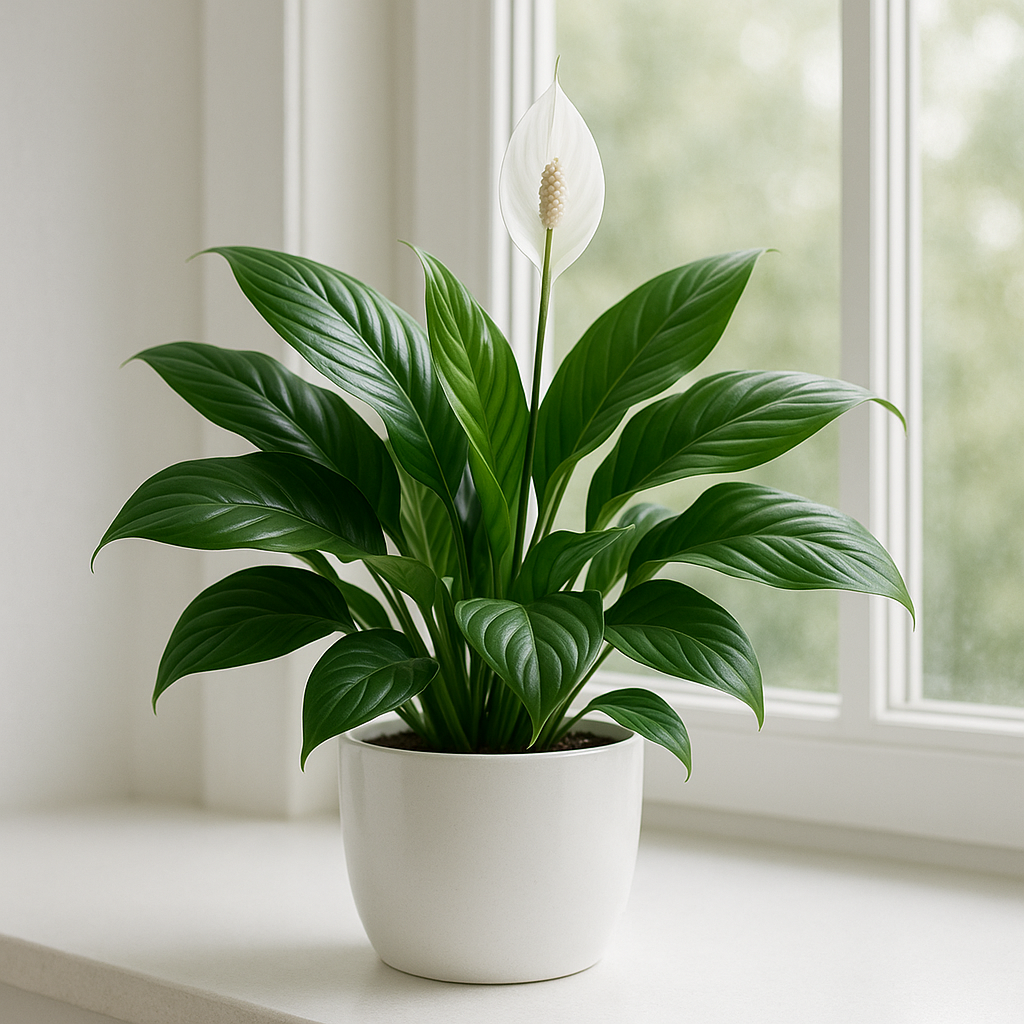
3. Spider Plant — Beginner-Friendly Air Cleaner
Sanctuary Score: 8/10
Spider plants are the friend who always shows up on time and never causes problems.
Why it works:
- Good VOC removal (formaldehyde, xylene)
- Produces babies (little plantlets) you can propagate
- Non-toxic to pets — one of the few truly pet-safe options
- Adapts to basically any light condition
Care: Water when top inch of soil is dry. That's it. That's the whole care guide.
Light: Low to bright indirect. Again, doesn't care.
Pet safety: Safe. Finally, a plant your cat can attack without needing an emergency vet visit.
4. Pothos — The Unstoppable One
Sanctuary Score: 8/10
If you want a plant that survives your apartment's worst conditions, pothos is your answer.
Why it works:
- Removes some VOCs, though studies are limited
- Trails beautifully from a shelf or hanging basket
- Comes in varieties: golden, marble queen, neon, jade — pick your vibe
Care: Let dry between waterings. Can survive weeks of neglect. Honestly, it might survive months.
Pet safety: Toxic if ingested. Keep it high or go with a different option.
5. ZZ Plant — The Low-Light Legend
Sanctuary Score: 7/10
The ZZ plant is what happens when a plant decides to just... exist. Quietly. Successfully.
Why it works:
- Thrives in practically no light
- Stores water in its rhizomes — drought tolerant
- Glossy leaves look great year-round
Care: Water maybe once a month. Maybe less. If you're the type who forgets plants exist, this is the one.
Pet safety: Toxic. All parts are poisonous. Respect that.
How to Choose the Right Plant for Your Bedroom
Not every plant works in every bedroom. Here's the quick decision tree:
For Low Light Bedrooms (No Windows)
Your options:
- Snake plant (best choice)
- ZZ plant
- Pothos (will grow slower but won't die)
If your bedroom has literally no natural light, consider a small grow light. It's a game changer for plant health, not just for seedlings.
For Pet-Friendly Bedrooms
This is where spider plant shines. It's the only pet-safe option on our list that's actually good at air stuff.
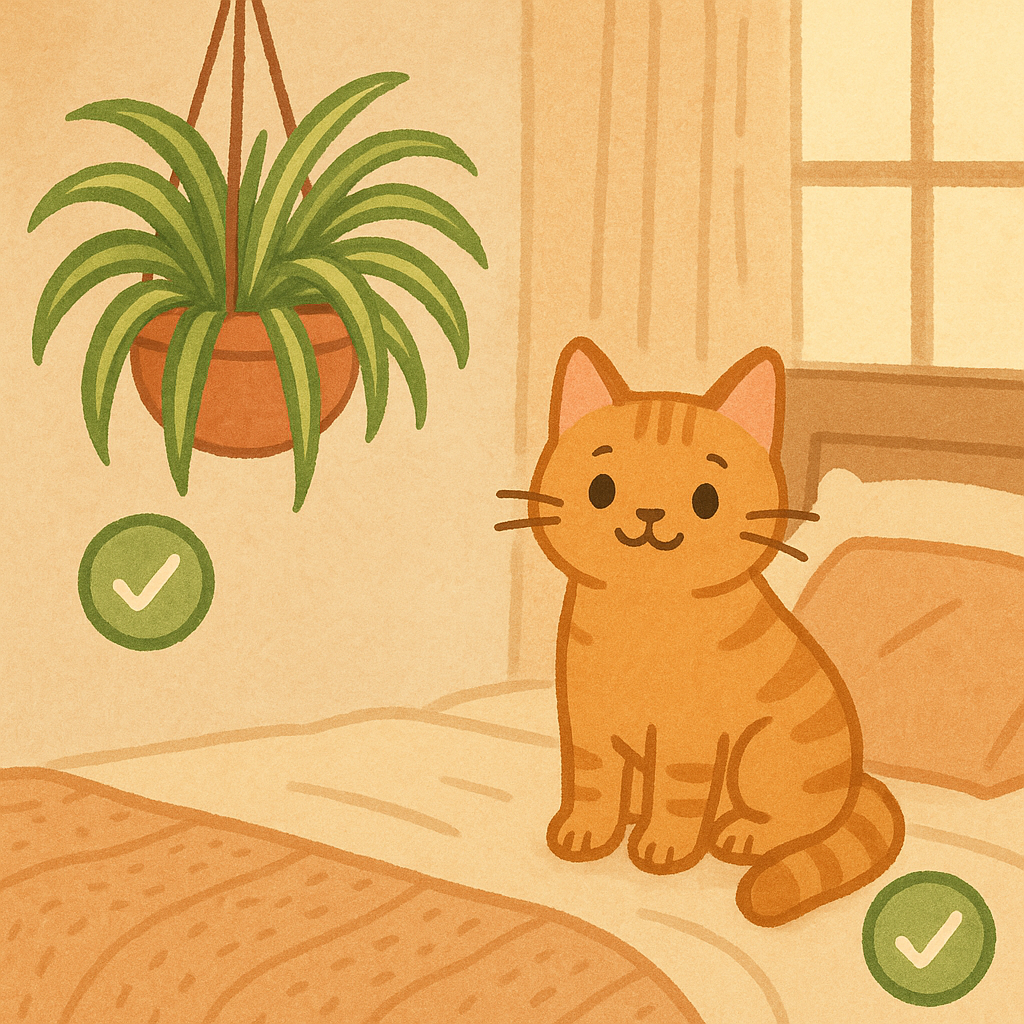
Pet-safe bedroom plant list:
- Spider plant
- Areca palm (if you have space)
- Boston fern (needs humidity)
Skip entirely if you have curious pets:
- Peace lily
- Snake plant (mildly toxic)
- ZZ plant
- Pothos
For Lazy Plant Parents
You know who you are. The "I forgot to water my plants for three weeks" person.
Your picks:
- Snake plant — set it and forget it
- ZZ plant — same energy
- Pothos — forgiving of occasional neglect
Pro tip: Get a moisture meter. It takes the guesswork out of watering and prevents the #1 cause of houseplant death: overwatering.
Placement Tips for Maximum Sleep Benefits
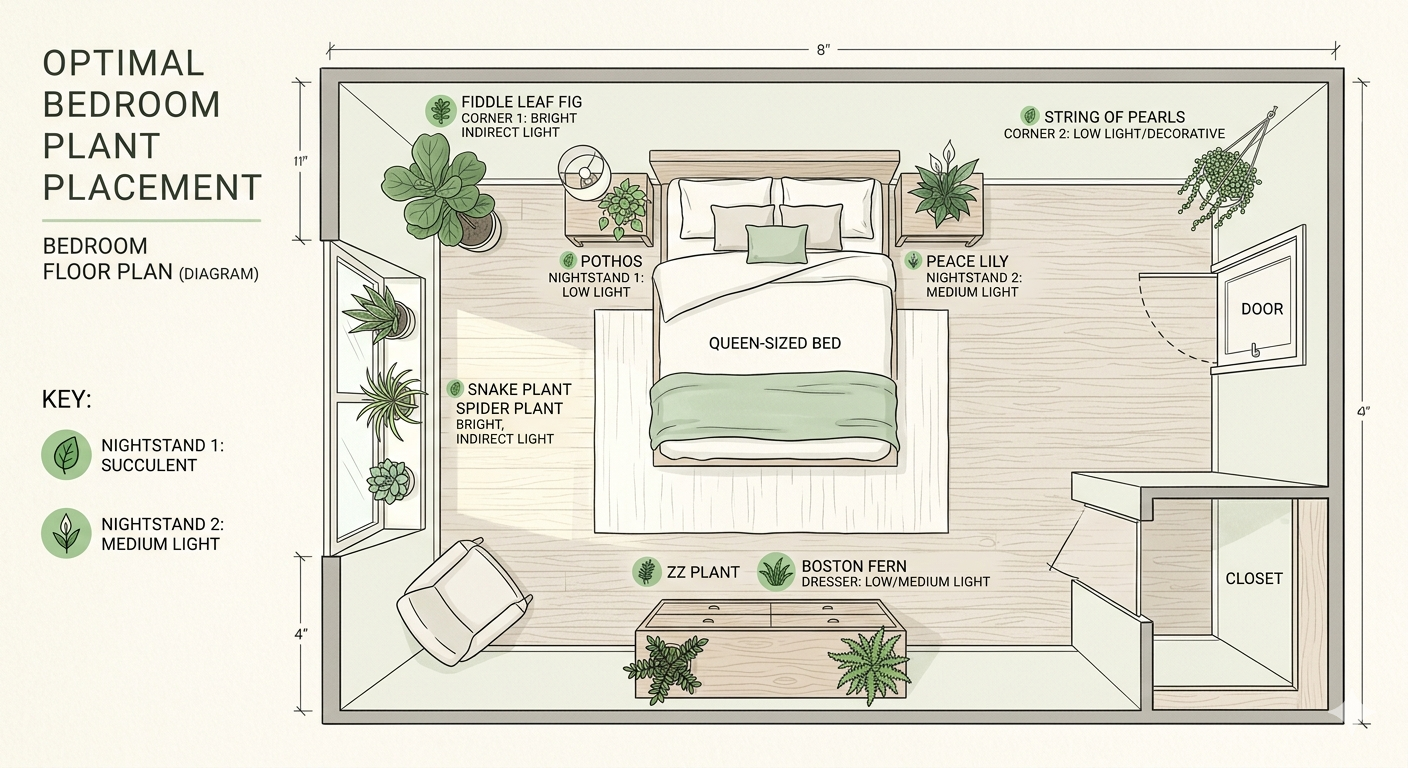
Where you put the plant matters more than you think.
Bedside is Best
Place your snake plant or other low-light option on the nightstand. It gets your oxygen boost right next to where you're sleeping, and it's right there to remind you it exists (so you don't completely forget to water it).
One Plant Minimum
You don't need ten plants. One well-placed snake plant does more for your bedroom vibe than five sad succulents in the corner. Start with one. See how it goes.
Respect the Light
If your bedroom faces north or has small windows, don't put light-hungry plants near them expecting miracles. They'll stretch, get leggy, and look sad. Match the plant to your actual light conditions.
Common Mistakes to Avoid
Overwatering
This kills more bedroom plants than anything else. Your bedroom isn't a greenhouse. The soil stays wet longer. Let it dry out. The snake plant will forgive you for forgetting. It will not forgive you for drowning.
Ignoring Pet Toxicity
Peace lilies are gorgeous. They're also extremely toxic to cats. If your pet eats any part of it, you're looking at emergency vet bills and a very sick animal. Don't put toxic plants in reach. It's not worth the 'gram.
Wrong Light Expectations
Putting a fiddle leaf fig in your dark bedroom and wondering why it drops all its leaves is like buying a cactus and watering it every day. The plant didn't fail you. You failed the plant. Know your light. Match the plant.
Trying to Do Too Much
Start with one plant. Not five. One. Get a snake plant, put it by your bed, water it when you remember. Build the habit before you build the collection.
The Bottom Line
Your bedroom doesn't need to look like a nursery. It just needs a few well-chosen plants that can handle the conditions you actually have.
Start here:
- Snake plant for low-light, nearly indestructible, oxygen-at-night benefits
- Spider plant if you have pets and want something pet-safe
- One plant is enough to start — add more when you've proven you can keep one alive
That's it. That's the whole guide.
Want more easy wins? Check out our best low light plants for other rooms in your space.