Aloe Vera Care Guide — Growing Healing Succulents Indoors
The succulent that actually deserves the hype.
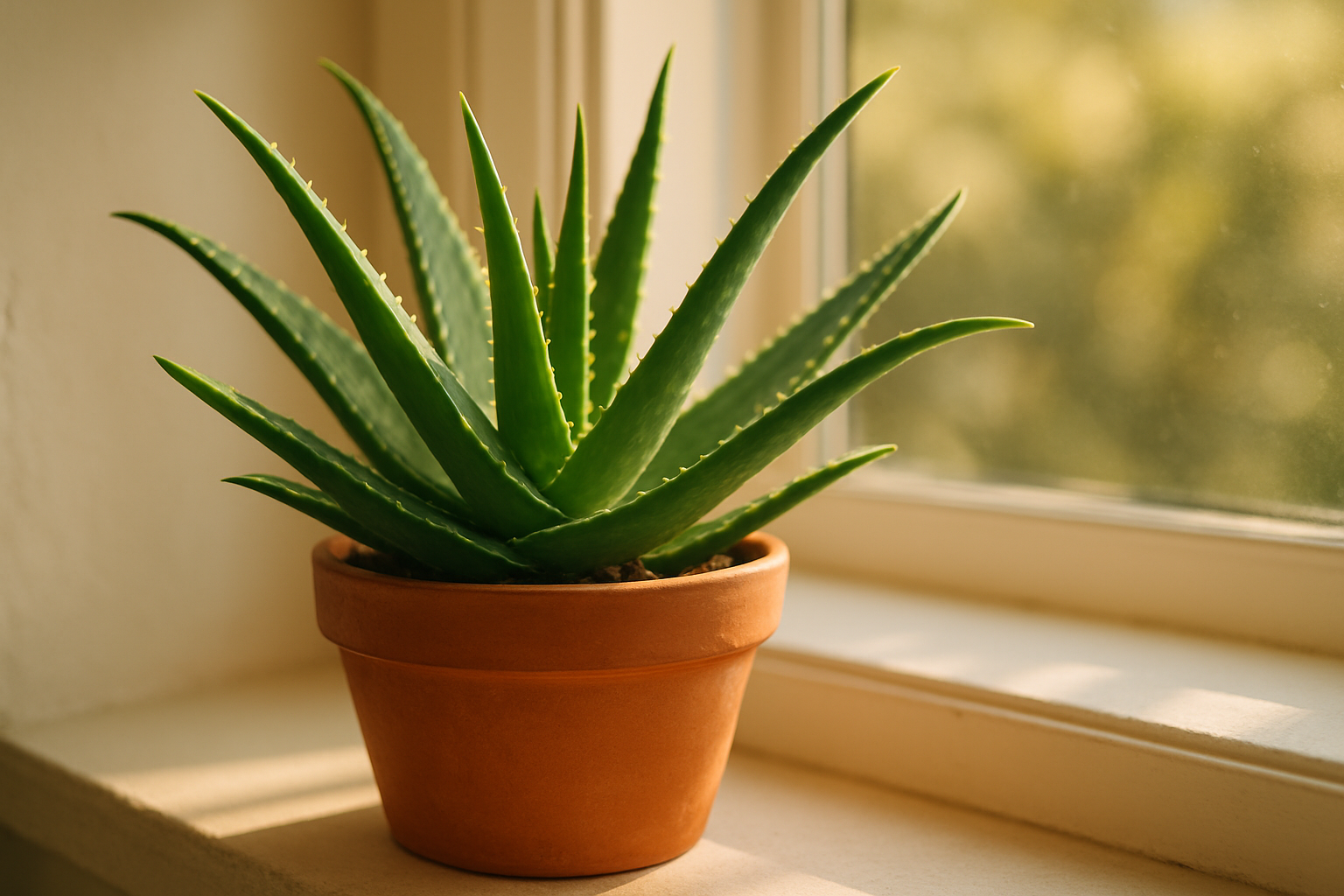
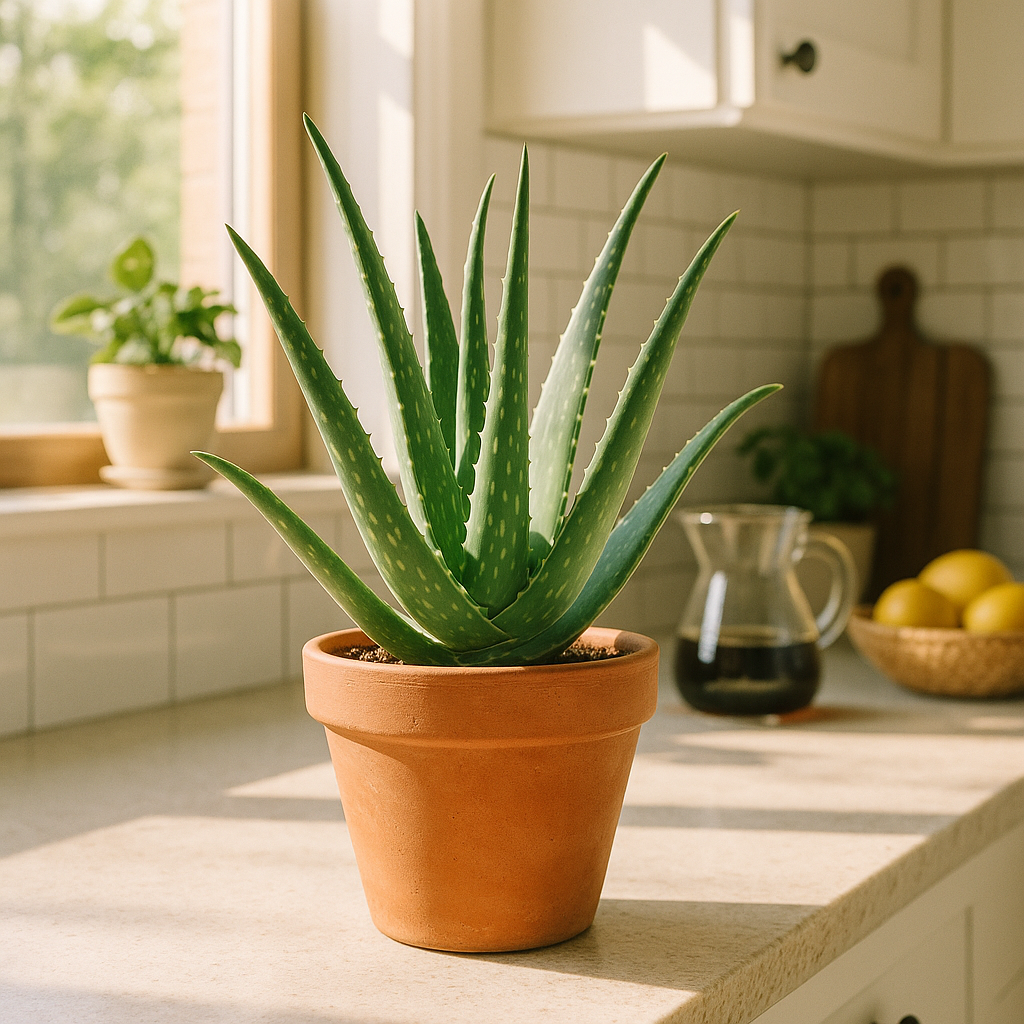
Why Aloe Vera Belongs in Your Home
Let's cut through the noise: aloe vera is actually worth the hype. Unlike that fiddle leaf fig that will inevitably die on you, aloe is a succulent that tolerates neglect like a pro while also giving back.
The deal: You water it occasionally, it sits in a sunny spot looking pretty, and when you burn yourself cooking or get a sunburn, you snip off a leaf and have fresh gel ready in seconds. No buying expensive burn gels. No waiting for the pharmacy to open.
It also filters some formaldehyde and benzene from the air — not enough to replace your air purifier, but a nice bonus. And unlike most "easy" plants that are boring, aloe has personality. It pumps out pups, grows fast when happy, and the gel-harvesting ritual is weirdly satisfying.
If you want a plant that gives more than it takes, aloe vera is your answer.
Light: The #1 Factor for Indoor Success
Here's the hard truth about aloe: it needs more light than you think. Most people kill their aloe because they put it in a low-light corner and wonder why it goes crispy or stops growing.
Aloe is a desert plant. It wants sun. Not blazing direct sun all day (that'll burn the leaves), but bright indirect light for most of the day.
Best Window Positions for Aloe Vera
- South-facing window: Best option — gets 6+ hours of bright light
- West-facing window: Solid second choice — afternoon sun is intense but manageable
- East-facing window: Works if the plant is close to the glass
- North-facing window: Probably not enough light unless you live somewhere extremely sunny
If your apartment has no good windows (we see you, studio apartments), you'll need a grow light.
Grow Light Alternatives for Low-Light Apartments
Add a Grow Light — a decent LED grow light costs $20-40 and solves the light problem entirely. Look for:
- Full spectrum (white light, not purple)
- At least 20 watts
- Timer function (plants need consistency)
Place the light 12-18 inches above the plant and run it 10-12 hours a day. Your aloe won't know it doesn't have a sunny window.
Signs your aloe needs more light:
- Stretches or leans toward the window (etiolation)
- New growth is pale or yellowish
- Overall plant looks leggy and weak
- Stops producing pups
Watering: The 'Neglect Is Best' Rule
If there's one thing that kills more aloes than anything else, it's overwatering. This plant is built to survive drought. It stores water in those thick leaves. You should not be watering it every week.
The general rule: Water every 2-3 weeks. Let the soil dry out completely between waterings. In winter (or if your space is cool), water even less frequently — maybe once a month.
The Finger Test: When to Water Your Aloe
Don't just water on a schedule. Check the soil:
- Stick your finger 2 inches into the soil
- If it feels completely dry, water
- If there's any moisture, wait
Your aloe would rather be slightly underwatered than slightly overwatered. Root rot from overwatering is the #1 killer of indoor aloes.
How to water properly:
- Water thoroughly until it drains from the bottom
- Empty the saucer — aloe hates sitting in water
- Let it dry out fully before watering again
Try a Moisture Meter if you want to remove the guesswork. Overwatering is the #1 killer of indoor aloe — a $15 meter pays for itself by preventing root rot.
Signs of Overwatering
- Leaves get mushy, especially at the base
- Soil stays wet for weeks
- Foul smell from the pot
- Leaves turn yellow or translucent
- Plant wilts despite wet soil (root rot has set in)
If you see these signs, stop watering immediately. Let the soil dry out. If it's really bad, you may need to treat for root rot — check our treat root rot guide for steps.
Soil & Potting: Drainage Is Everything
Regular potting soil is a death sentence for aloe. It holds too much moisture. Aloe needs a fast-draining mix that dries quickly.
The ideal aloe soil mix:
- 2 parts cactus/succulent potting mix
- 1 part perlite (adds drainage)
- Optional: a handful of coarse sand
This mix dries fast, prevents root rot, and mimics what aloe would grow in in the wild.
If you don't want to mix your own, grab a bag of Cactus & Succulent Potting Mix — it's formulated for exactly this.
When to Repot Aloe Vera
Aloe doesn't need frequent repotting. Here's when to do it:
- Roots are coming out of the drainage holes
- Plant is top-heavy and tips over easily
- It's been 2-3 years since last repot
- Soil drains very slowly (it's compacted)
When repotting, go up only 1-2 inches in pot size. Aloe likes being slightly root-bound. A pot too big holds too much soil, which holds too much moisture.
Pot material matters: Terracotta is the move. Shop Terracotta Pots — the porous material wicks away moisture and lets the soil dry faster. Ceramic pots with drainage work too, but check soil moisture more often.
Temperature & Placement
Aloe tolerates a wide indoor temperature range: 55-85°F (13-30°C). Most homes fall squarely in this range.
What aloe hates:
- Cold drafts from windows/doors in winter
- Being right next to a heating vent
- Temperatures below 50°F (they'll slow growth or go dormant)
Best spots in your home:
- Kitchen windowsill (bright + you remember to use it)
- Bathroom (humidity is fine, as long as there's light)
- Living room near a south/west window
- Bedroom (no, it won't kill you at night — that's a myth)
Pet-Safe Placement Tips
Aloe is toxic to cats and dogs. The saponins in the gel can cause vomiting, diarrhea, and lethargy if ingested.
Options:
- Place it on a high shelf or windowsill out of reach
- Keep it in a room your pets don't access
- If your cat is a plant-muncher, maybe skip aloe
For more options, check our pet-safe plants guide — there's plenty of beautiful non-toxic alternatives.
Propagating Aloe Vera Pups
One of the best things about aloe? It produces free plants. Those little offsets growing at the base are called "pups" and they're essentially baby aloes ready to become independent plants.
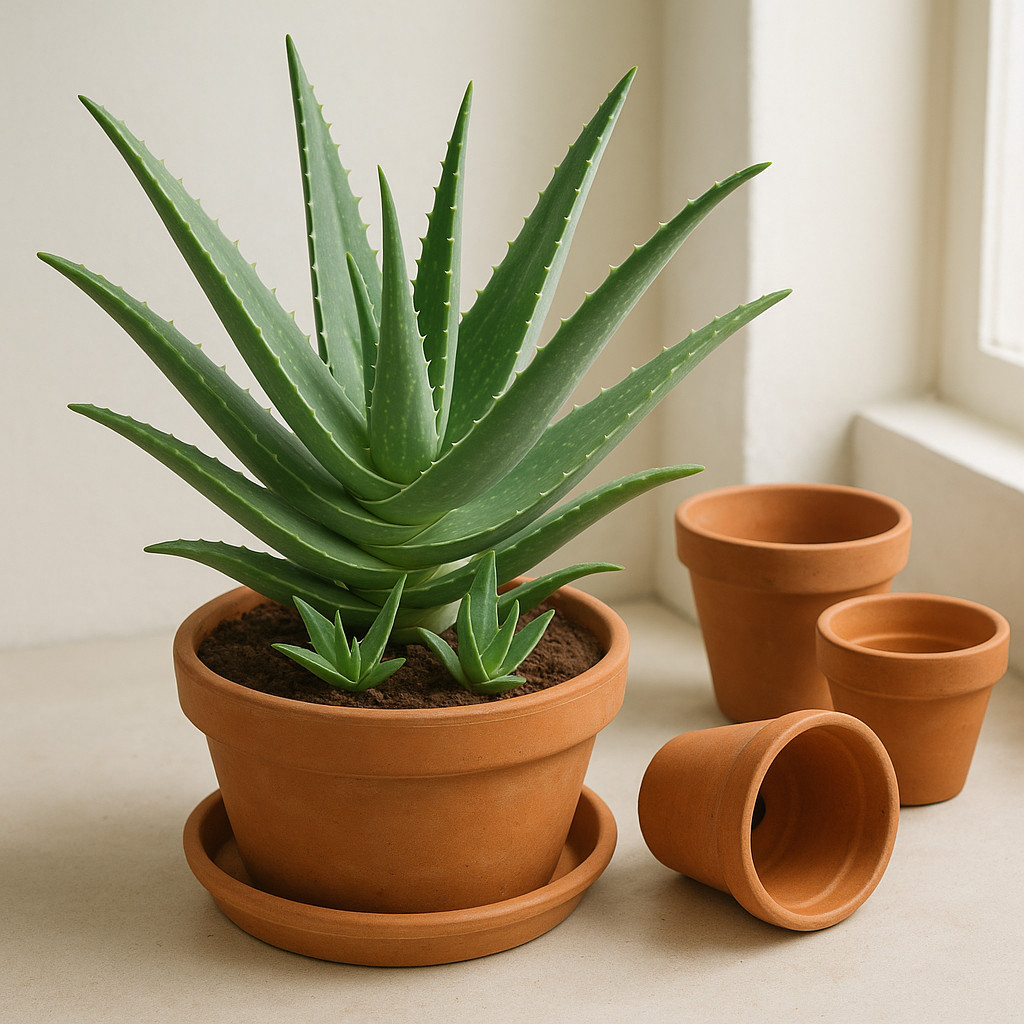
Step-by-Step Pup Separation Guide
- Wait until pups are 2-3 inches tall — they need enough roots to survive on their own
- Remove the mother plant from its pot — shake off excess soil to see the root structure
- Gently separate the pup from the mother plant — use your hands, not tools. Try to keep as many roots intact as possible
- Let the pup dry for 24 hours — this prevents rot when you plant it
- Pot in well-draining soil — use the same cactus mix as the parent
- Wait a week before watering — give it time to settle
- Place in bright light — same requirements as adult plants
That's it. You now have a free aloe plant. Repeat as often as your aloe produces pups (which is often — these things are generous).
Harvesting Aloe Gel (The Bonus)
Here's where aloe earns its "healing succulent" title. You can harvest gel directly from your plant for burns, skin care, and minor cuts.
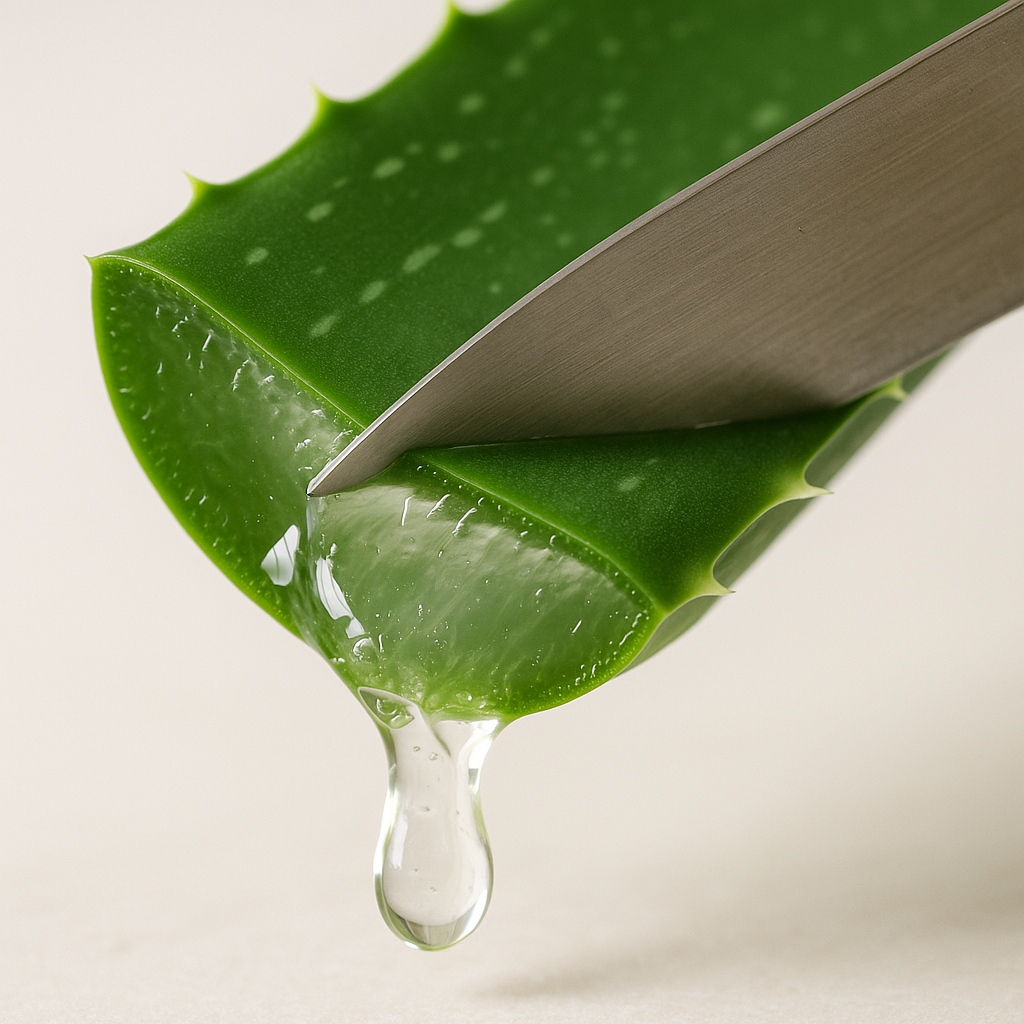
Safe Gel Extraction Method
- Choose a mature outer leaf — the big ones on the outside. Leave the center leaves to keep growing
- Cut at the base with a sharp knife or scissors
- Let it drain — hold the leaf cut-side down over a container. The yellowish "latex" will drain out (this can be irritating — wash your hands)
- Slice open the leaf once drained — the clear gel inside is what you want
- Scoop or squeeze out the gel — use it immediately or store in a jar for up to a week in the fridge
What to use it for:
- Sunburn relief (apply directly)
- Minor burns
- Dry skin / moisturizing
- DIY hair gel
- The satisfaction of using something you grew
Don't go crazy — one leaf gives plenty of gel. Harvest only what you need.
Troubleshooting Common Problems
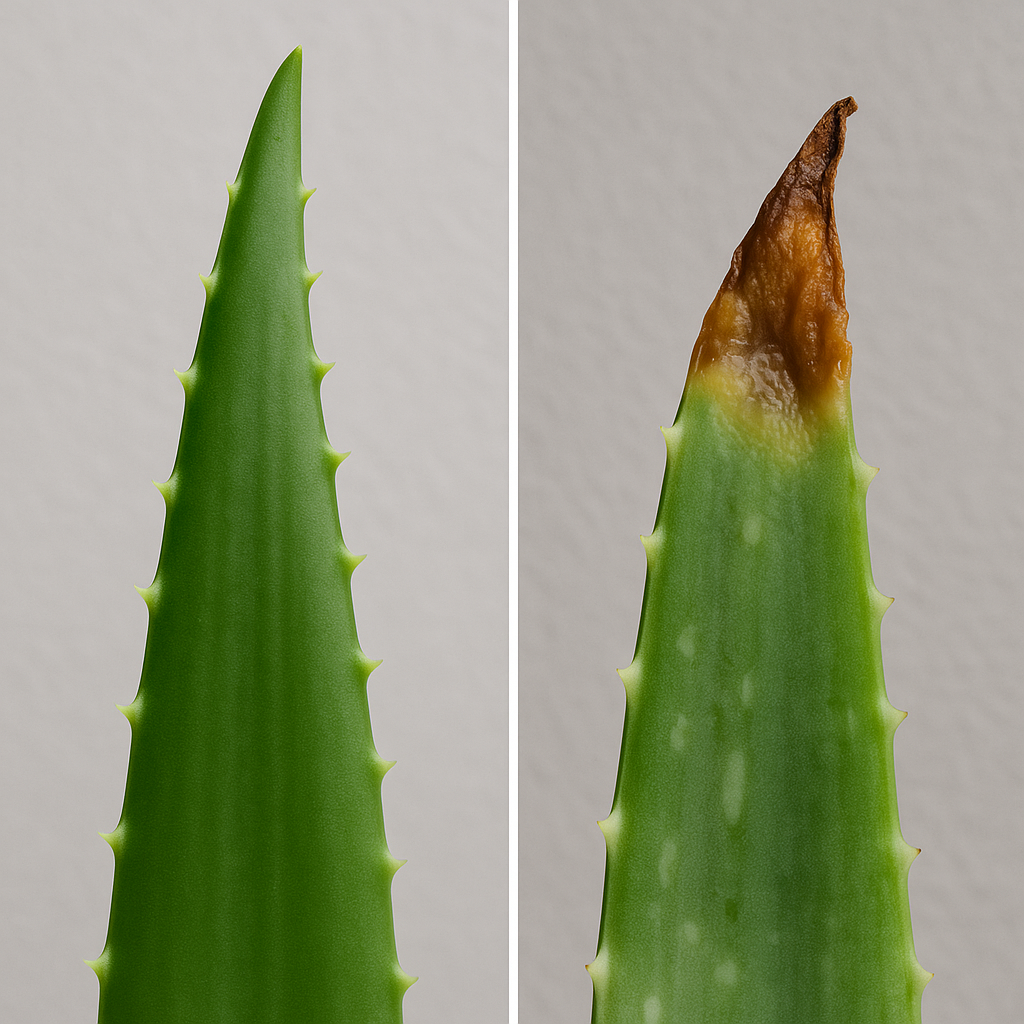
Brown Leaf Tips: Causes and Fixes
Usually caused by:
- Too much direct sun (sunburn)
- Fluoridated or chlorinated water
- Salt buildup from tap water
- Underwatering (yes, under too!)
Fix it:
- Move back from direct sun if leaves look scorched
- Switch to filtered or distilled water
- Flush the soil with clean water every few months
- Water more consistently
When Your Aloe Vera Isn't Growing New Leaves
This is usually one of two issues:
- Not enough light — the fix is obvious: more light
- Root-bound — if it's been years since repotting, the roots have nowhere to go. Repot into fresh soil and a slightly bigger pot.
A healthy aloe in good conditions produces new leaves regularly. If yours is stagnant, check light first, then roots.
Frequently Asked Questions
Can I put my aloe vera outdoors in summer?
Absolutely. Move it outside once temps stay above 50°F. Give it a spot with bright indirect light (not blazing full sun initially — ease it in). Bring it back inside before first frost.
Outdoor aloes grow faster and produce more pups. Just check for pests before bringing it back in.
Will my aloe vera flower indoors?
It's rare but possible. Flowering requires very bright light, consistent care, and sometimes a mature plant (3-4+ years). If it blooms, you'll get a tall stalk with tubular flowers — cool, but not the main event.
Most people grow aloe for the leaves, not the flowers. Don't stress if it doesn't flower.
Want more easy-care succulents? Check out our succulent care guide for the full rundown.
Our Favorite Aloe Care Tools
We use these products ourselves:
- Moisture Meter — removes the guesswork from watering
- Cactus & Succulent Potting Mix — fast-draining soil that prevents root rot
- Terracotta Pot — wicks away moisture, keeps soil dry
- LED Grow Light — solves low-light apartment problems