Alocasia Polly vs Zebrina vs Dragon Scale: Which One Is Right for You?
Three stunning varieties. One dramatic personality. Here's how to pick the right one.
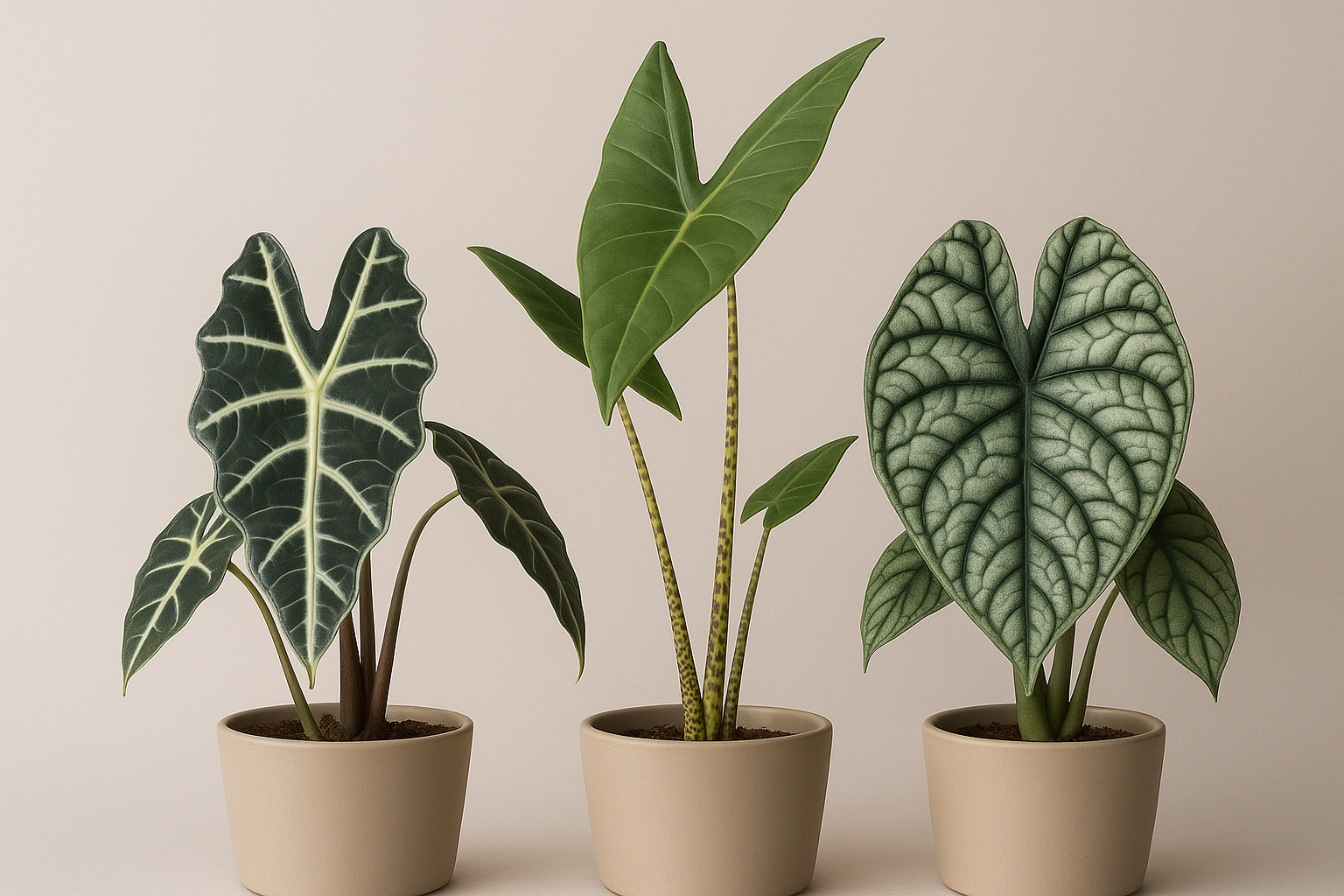
Why Alocasia?
Let's be honest: Alocasias are not beginner plants. They'll punish you for inconsistent watering, low humidity, or wrong soil. Their leaves will yellow, droop, and fall off at the slightest grievance.
But god, are they beautiful.
These tropical showstoppers bring serious drama to any space. The arrow-shaped leaves, the alien patterns, the way new leaves unfurl like something from a nature documentary — they're worth the fuss.
The trick is knowing which Alocasia matches your actual lifestyle (not the lifestyle you wish you had). Let's break down the three most popular varieties so you can make an informed decision.
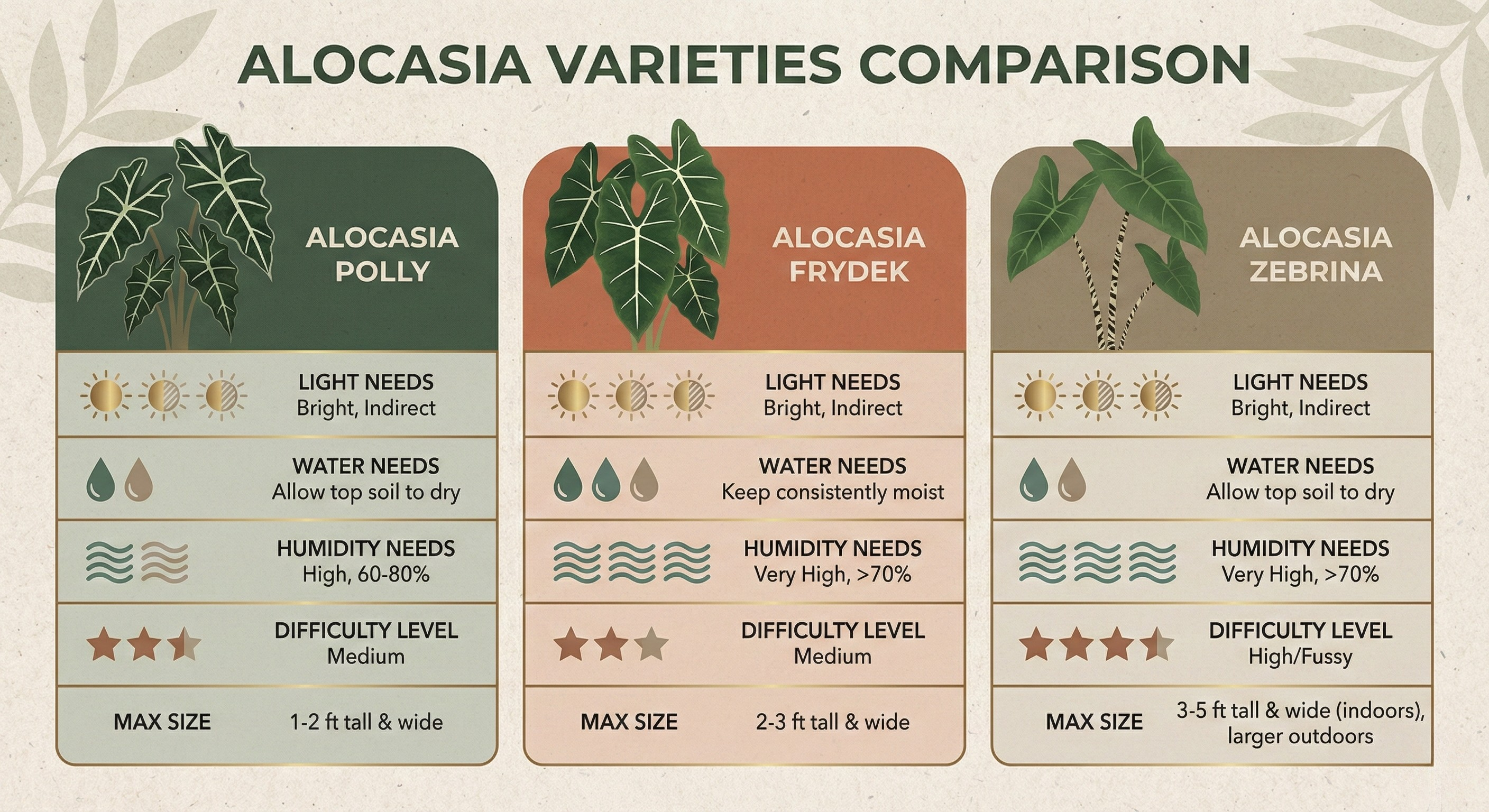
Quick Comparison
| Polly | Zebrina | Dragon Scale | |
|---|---|---|---|
| Light | Bright indirect | Bright indirect | Bright indirect |
| Water | Keep moist, never soggy | Keep moist, never soggy | Keep moist, never soggy |
| Humidity | 60-80% | 60-80% | 60-80% |
| Difficulty | ⭐⭐ (Moderate) | ⭐⭐⭐ (Tricky) | ⭐⭐⭐⭐ (Challenging) |
| Max Size | 2-3 feet | 2-3 feet | 1-2 feet |
| Special Feature | African Mask pattern | Zebra-striped stems | Metallic scale texture |
Alocasia Polly: The Classic
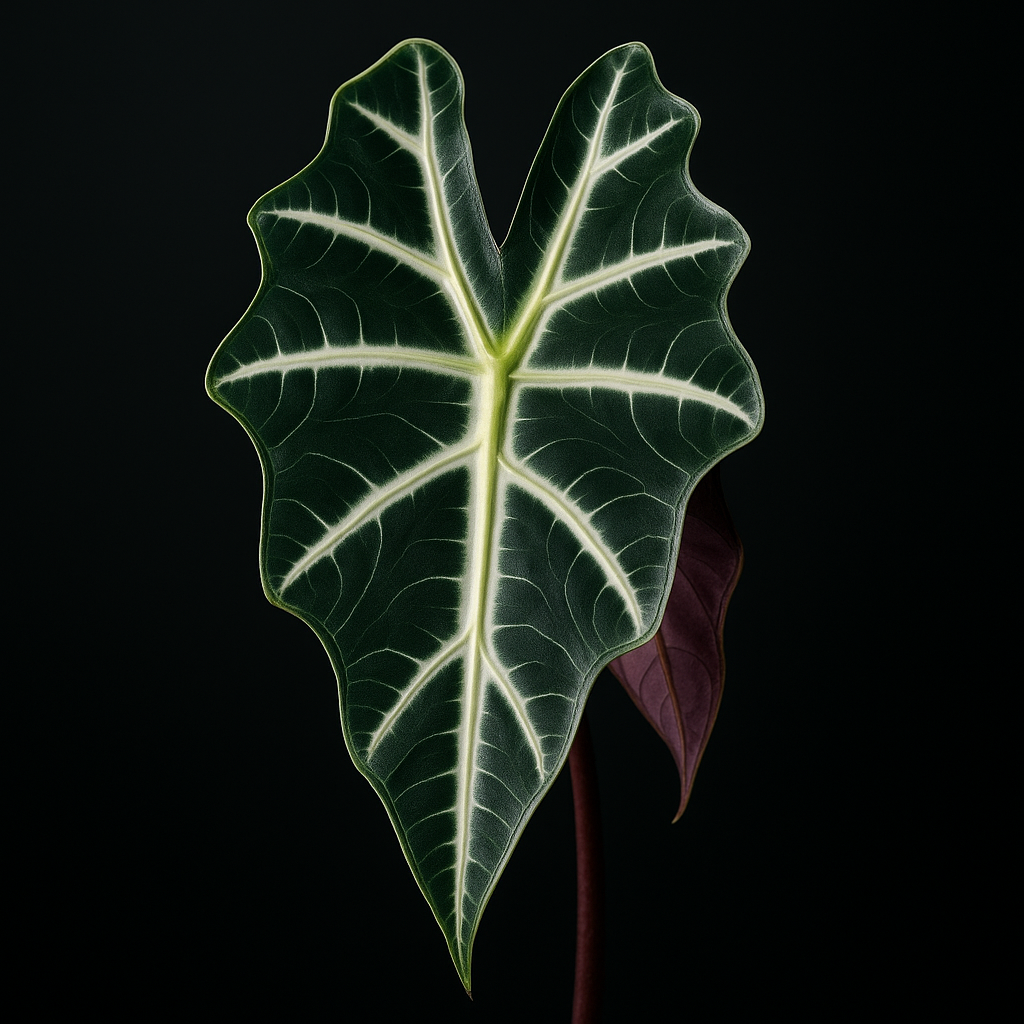
Also known as: Alocasia Amazonica, African Mask Plant
Polly is the entry point for most Alocasia enthusiasts. She's been around forever, she's relatively available, and while she's still dramatic, she's a bit more forgiving than her exotic siblings.
What Makes Polly Special
That pattern. Deep emerald green arrow-shaped leaves with bold white veining running through them — it looks almost painted on. The undersides are a subtle purple that shows when the light hits right. It's classic, it's recognizable, and it's the Alocasia most people picture in their heads.
Polly stays relatively compact (2-3 feet tall) and produces new leaves regularly during growing season. She's the workhorse of the Alocasia world.
Polly Care
- Light: Bright indirect — think east window or a few feet back from a south/west. No direct sun (you'll burn those leaves).
- Water: Keep consistently moist but never sitting in water. When the top inch of soil is dry, water thoroughly until it drains from the bottom. Then dump that tray.
- Humidity: 60-80% minimum. Lower than that and you'll see brown crisps on the leaf edges. A humidifier is your friend.
- Soil: Chunk is king. Standard potting soil will suffocate these roots. Mix in perlite, orchid bark, or coco coir to get that quick-draining mix they crave.
Recommended soil mix for Alocasia:
- 2 parts potting soil
- 1 part perlite
- 1 part orchid bark
Polly Pros & Cons
| Pros | Cons |
|---|---|
| Most affordable & available | Still needs high humidity |
| More forgiving than other varieties | Yellows easily with overwatering |
| Compact size fits apartments | Goes dormant in winter |
Alocasia Zebrina: The Instagram Star
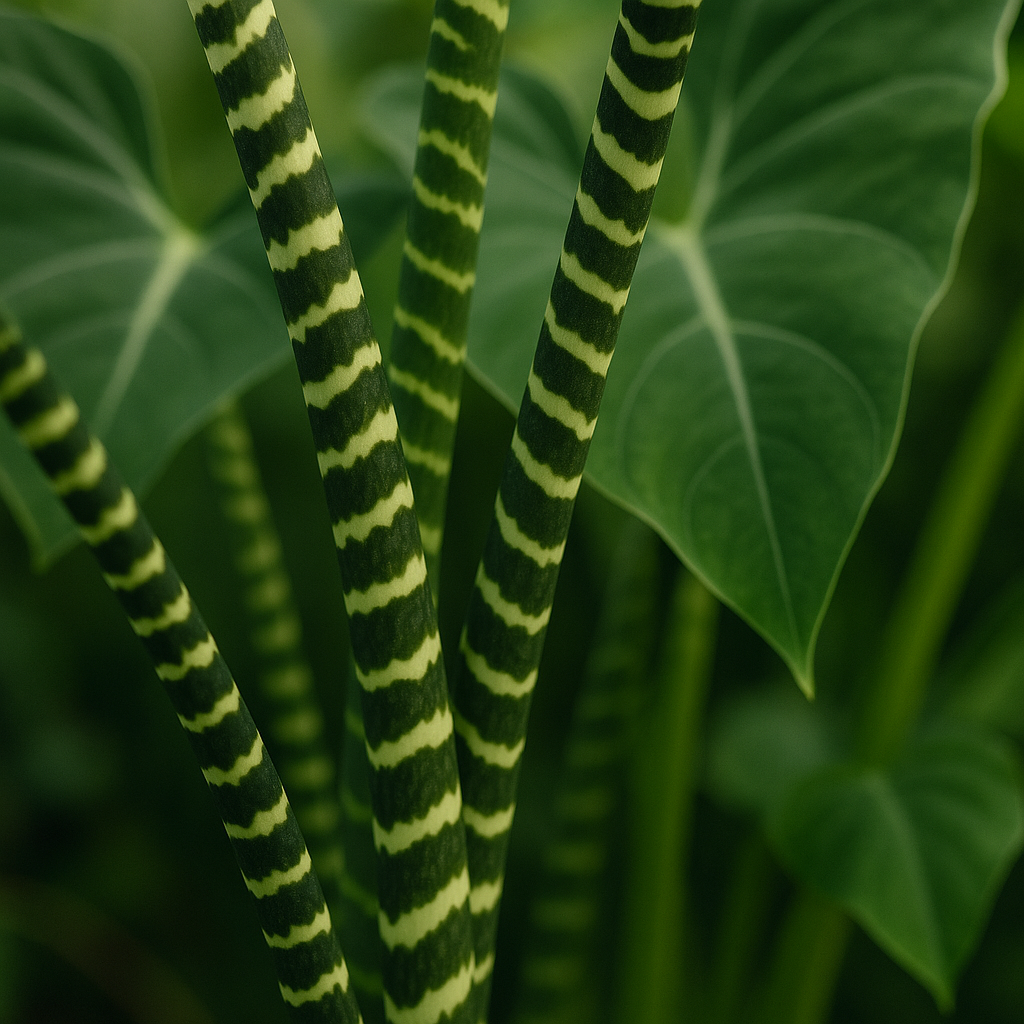
Also known as: Alocasia Zebrina, Zebra Plant
Zebrina is the one that stops people mid-scroll. Those stems — called petioles — have this incredible zebra stripe pattern in dark and light green. It's weird, it's distinctive, and it's genuinely hard to find in the plant world.
What Makes Zebrina Special
The stems. Seriously, that's the whole appeal. Zebrina leaves are actually fairly plain — slender, elongated, a solid medium green. But those zebra-striped petioles? Chef's kiss. They're decorative, they're unusual, and they make the plant look good even when it's not pushing new leaves.
Zebrina also tends to grow taller and more upright than Polly, reaching toward the light. Give her space to stretch.
Zebrina Care
- Light: Bright indirect, same as Polly. Can handle slightly lower light than some Alocasias but will get leggy without enough.
- Water: Zebrina is thirstier than Polly. Check her more frequently. Those thin leaves transpire (lose water) faster than the thick, waxy leaves of other varieties.
- Humidity: 60-80%. The thin leaves are actually more sensitive to dry air than Polly's tougher foliage. Crank that humidifier up.
- Soil: Same chunky mix. Fast drainage is non-negotiable.
Zebrina Pros & Cons
| Pros | Cons |
|---|---|
| Unmatched stem pattern | Thirstier than other varieties |
| Unique architectural look | Harder to find (often on Etsy) |
| Tolerates slightly lower light | More finicky about humidity |
Alocasia Dragon Scale: The Collector’s Dream
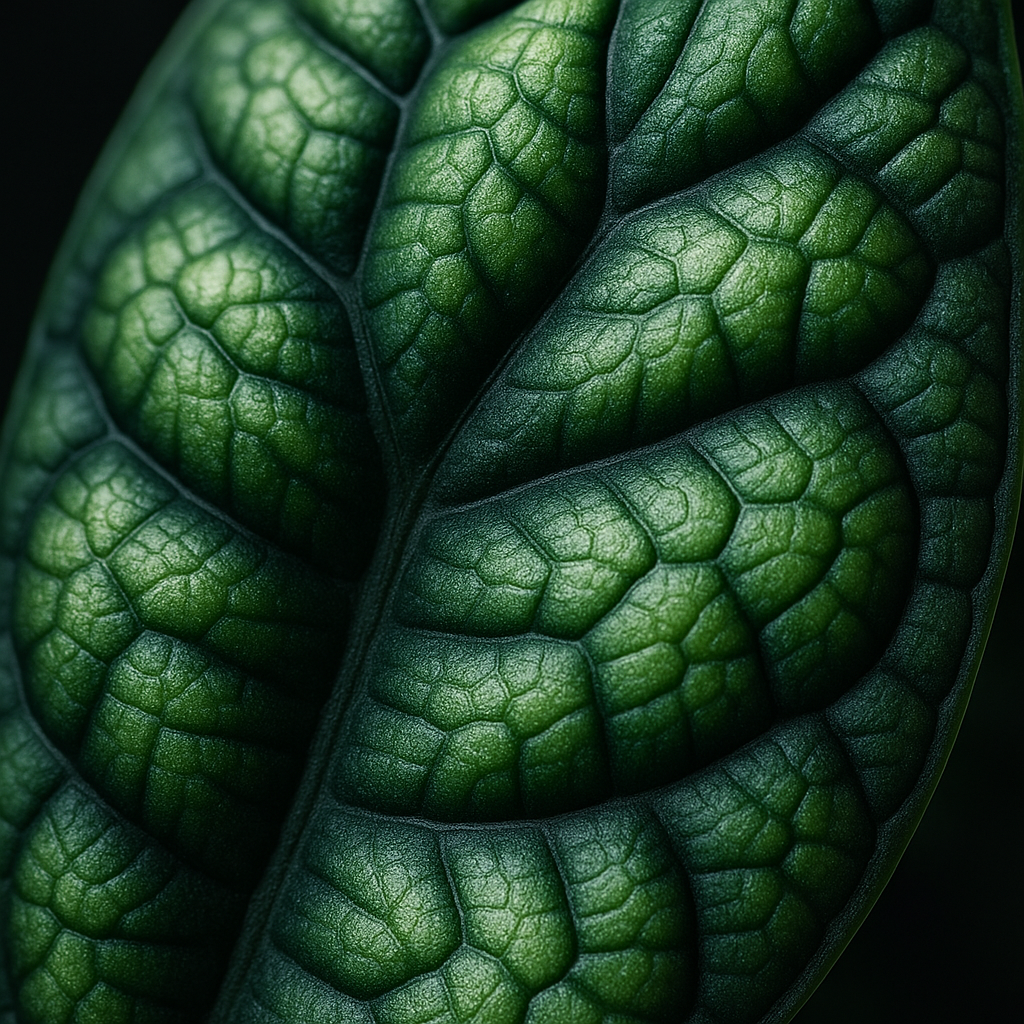
Also known as: Alocasia Bagana, Dragon Scale
This is the one that makes plant people go weak in the knees. Dragon Scale has the most incredible textured leaves you've ever seen on a houseplant — raised "scales" that catch the light and give the leaves a metallic, almost armor-like appearance.
What Makes Dragon Scale Special
The texture. Run your finger across a Dragon Scale leaf and you can physically feel the raised veins and scale pattern. It's not just visual — it's tactile. The leaves also have this subtle iridescence that shifts in different light, like the scales of a dragon (hence the name).
Dragon Scale is smaller and more compact than Polly or Zebrina (usually maxing out around 1-2 feet), which makes her a good choice if you want something substantial but not enormous.
Dragon Scale Care
- Light: Bright indirect — needs more light than you might think to maintain that deep color and compact growth. Low light = leggy, faded Dragon Scale.
- Water: Same rules as the others. Moist but never soggy. The thick leaves store some water, so she's slightly more forgiving of occasional missed waterings than Zebrina.
- Humidity: 70-80% ideal. This is the diva of the three. If you can't maintain high humidity, Dragon Scale will punish you with crispy edges.
- Soil: Extra chunky. Add extra perlite and bark. These roots want air.
Dragon Scale Pros & Cons
| Pros | Cons |
|---|---|
| Breathtaking texture | Needs highest humidity |
| Compact size | Most expensive variety |
| collector appeal | Slow grower |
Which Alocasia Should You Choose?
Here's the honest question: which one matches your actual life, not the plant parent fantasy you have in your head?
For Beginners
Start with Polly. She's the most forgiving, most available, and most affordable. You'll still need to pay attention to humidity and watering, but she's less likely to die on you when you inevitably make mistakes.
For Low Light Spaces
All three Alocasias need bright indirect light, but Zebrina tolerates lower light slightly better than the others. That said, "lower light" for Alocasias still means "bright room, no dark corners." Don't put any of them in a dim corner and expect them to thrive.
For Humidity Lovers
If you already have a humidifier running or live in a naturally humid climate, Dragon Scale will reward you with her best growth and most vibrant coloring.
For the 'Gram
Zebrina has that viral stem pattern that stops thumbs mid-scroll. It's the most photogenic of the three.
For Collectors
Dragon Scale is your endgame. She's stunning, she's sought-after, and she'll be the crown jewel of your collection. Just know what you're signing up for.
Common Problems & Solutions
Let's talk about what actually goes wrong with Alocasias and how to fix it.
Yellow Leaves
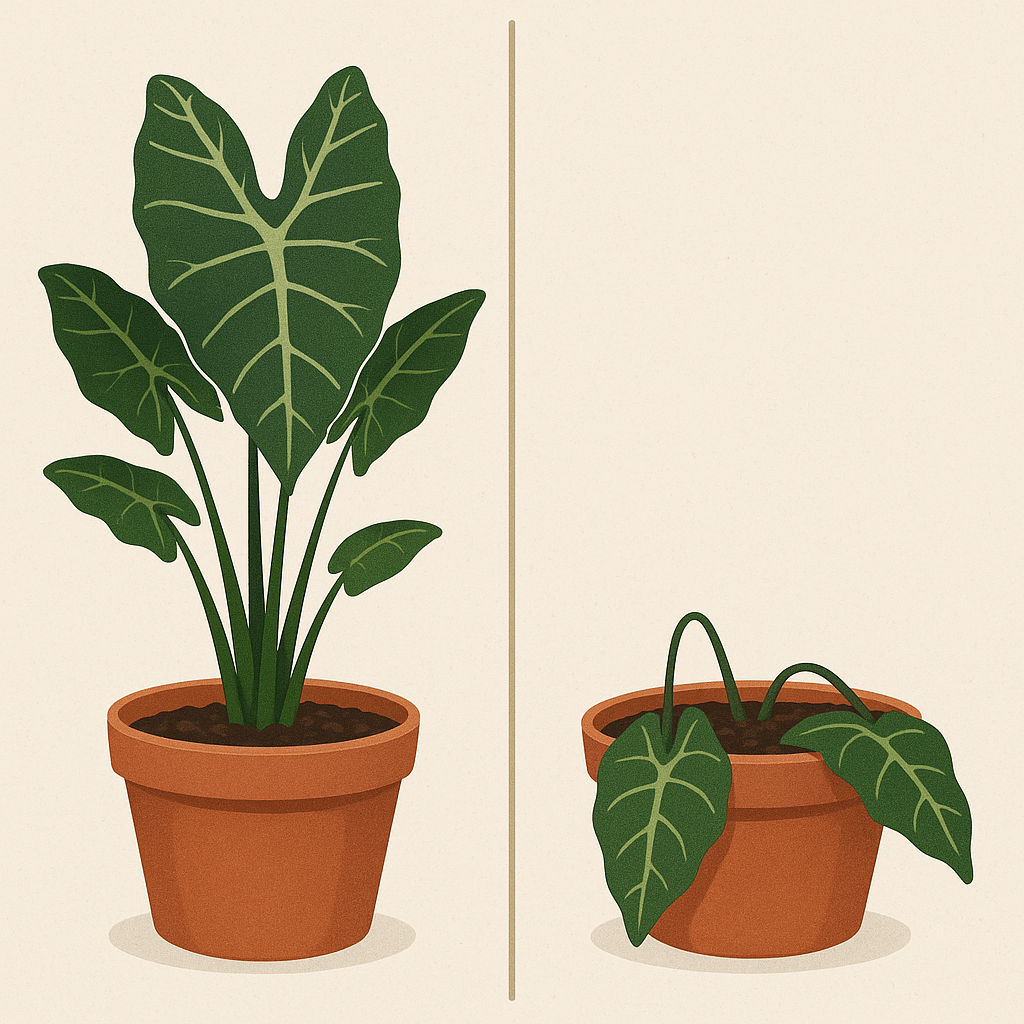
The #1 Alocasia complaint: yellow leaves.
Nine times out of ten, it's overwatering. Alocasia roots are not aquatic. They need oxygen. When you keep the soil constantly wet, the roots rot, and the leaves turn yellow as a distress signal.
How to fix it:
- Check the soil before watering. Stick your finger in — if it's moist past the first inch, wait.
- Make sure your pot has drainage holes. No exceptions.
- Use a moisture meter if you're unsure. Take the guesswork out of watering.
- If root rot has already set in, you'll need to treat it immediately.
Drooping Leaves
This is Alocasia's way of being dramatic. Drooping leaves can mean:
- Underwatered: Check the soil. If it's dry, water thoroughly.
- Low humidity: Alocasias hate dry air. The leaves droop when the air is too dry. Run a humidifier to get that 60-80% range.
- Root bound: If the roots are circling the pot, the plant can't uptake water efficiently. Time to repot.
Dormancy: The Thing Nobody Talks About
Here's what the plant guides don't tell you: Alocasias go dormant.
In fall/winter (or when stressed), your Alocasia might drop all its leaves and retreat to its corm (that bulb-like thing in the soil). It looks dead. The leaves collapse, everything turns yellow, and you're left with an empty pot.
It's probably not dead.
Alocasias are dormant, not dead. The corm is still alive underground, waiting for conditions to improve. Here's what to do:
- Stop watering as much. The corm doesn't need much water when it's sleeping.
- Put the pot in a warm, bright spot.
- Wait. This can take weeks to months.
- When new growth emerges, resume normal watering and feeding.
Where to Buy
All three varieties can be found at:
- Local nurseries: Polly is common. Zebrina and Dragon Scale are rarer.
- Etsy shops: Tropical Collectors, Steve's Leaves, and Palm Street are reputable sellers for rare Alocasias.
- Big box stores: Sometimes find Polly, rarely the others.
Final Verdict
Alocasias are not low-maintenance plants. They demand attention, they punish neglect, and they'll make you question your life choices when leaves start yellowing for no apparent reason.
But they're worth it.
Pick Polly if you want the classic Alocasia experience with a learning curve you can handle. Pick Zebrina if you want something Instagram-worthy and don't mind the extra thirst. Pick Dragon Scale if you're ready to level up and want the most stunning leaf texture in the houseplant world.
Just get a humidifier first. Trust us.
Want more Alocasia survival tips? Check out our guide to saving a dying Alocasia.
These are the tools that actually help Alocasias thrive:
- Levoit Humidifier — Essential for that 60-80% humidity
- Dr.meter Moisture Meter — Takes the guesswork out of watering
- Perlite — Key for chunky, fast-draining soil
- Orchid Bark — Another soil aerator essential
- Sansi LED Grow Light — Bright indirect light in darker spaces