Alocasia Dormancy Guide: Winter Care & How to Tell If It's Dead
Your Alocasia is dropping leaves and you're spiraling. Here's what's actually happening and what to do about it.
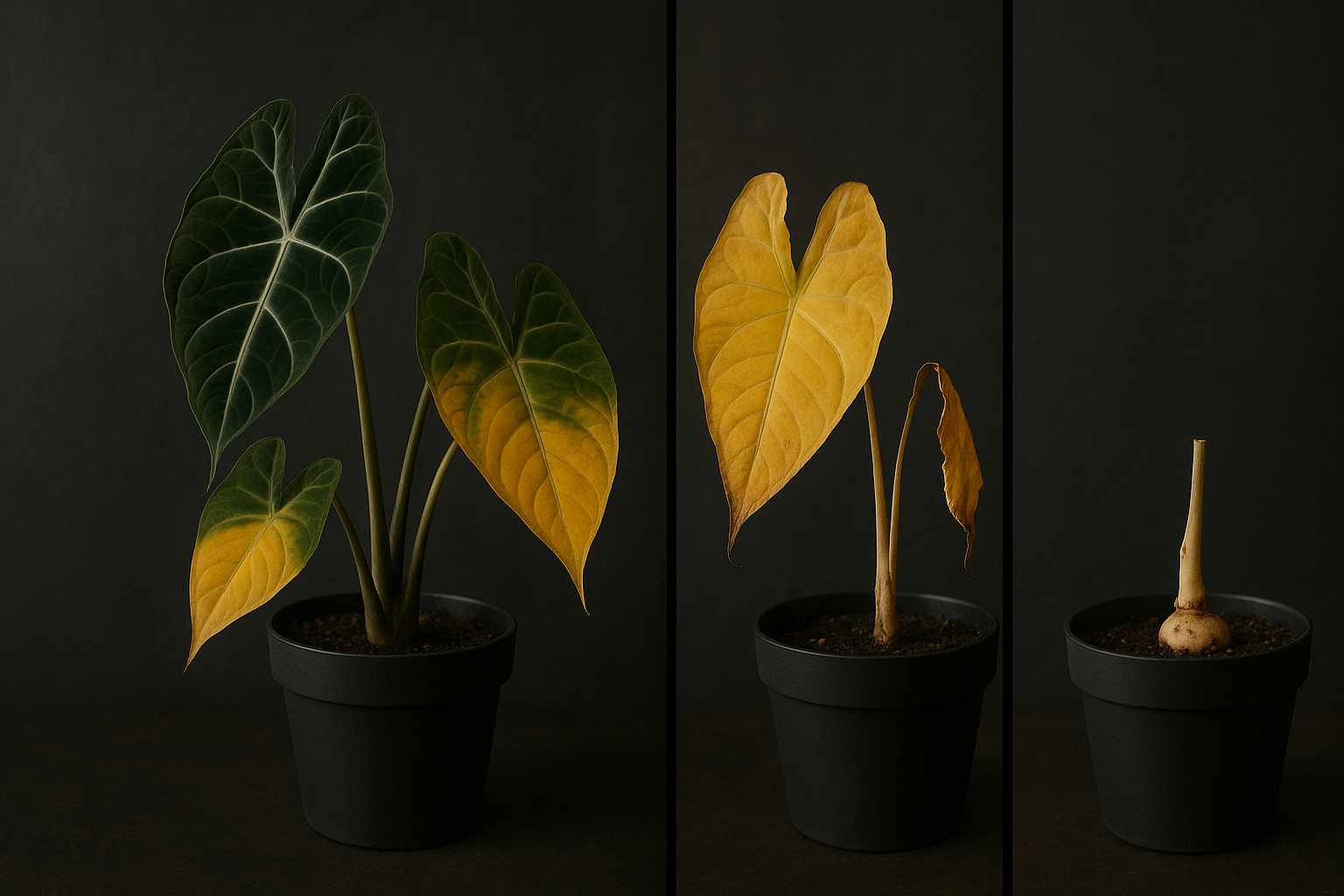
What Is Alocasia Dormancy & Why It Happens
Your Alocasia isn't dying — it's sleeping. Dormancy is the plant's built-in survival mechanism. When conditions get tough (shorter days, cooler temps, drier air), Alocasia pulls energy back into its underground tuber and goes dormant until spring.
This is normal. Alocasia are tropical but not stupid — they evolved in monsoon climates where dry seasons mean no water, no problem. Your plant going dormant is literally designed behavior.
The triggers:
- Temperature — Below 60°F (15°C), Alocasia start slowing down
- Light — Shorter winter days reduce photosynthesis
- Humidity — Dry winter air signals "survival mode"
- Water — Less water = less growth = dormancy
If your Alocasia is by a cold window or in a drafty room, expect dormancy. It's not a failure — it's just the plant doing what it does.
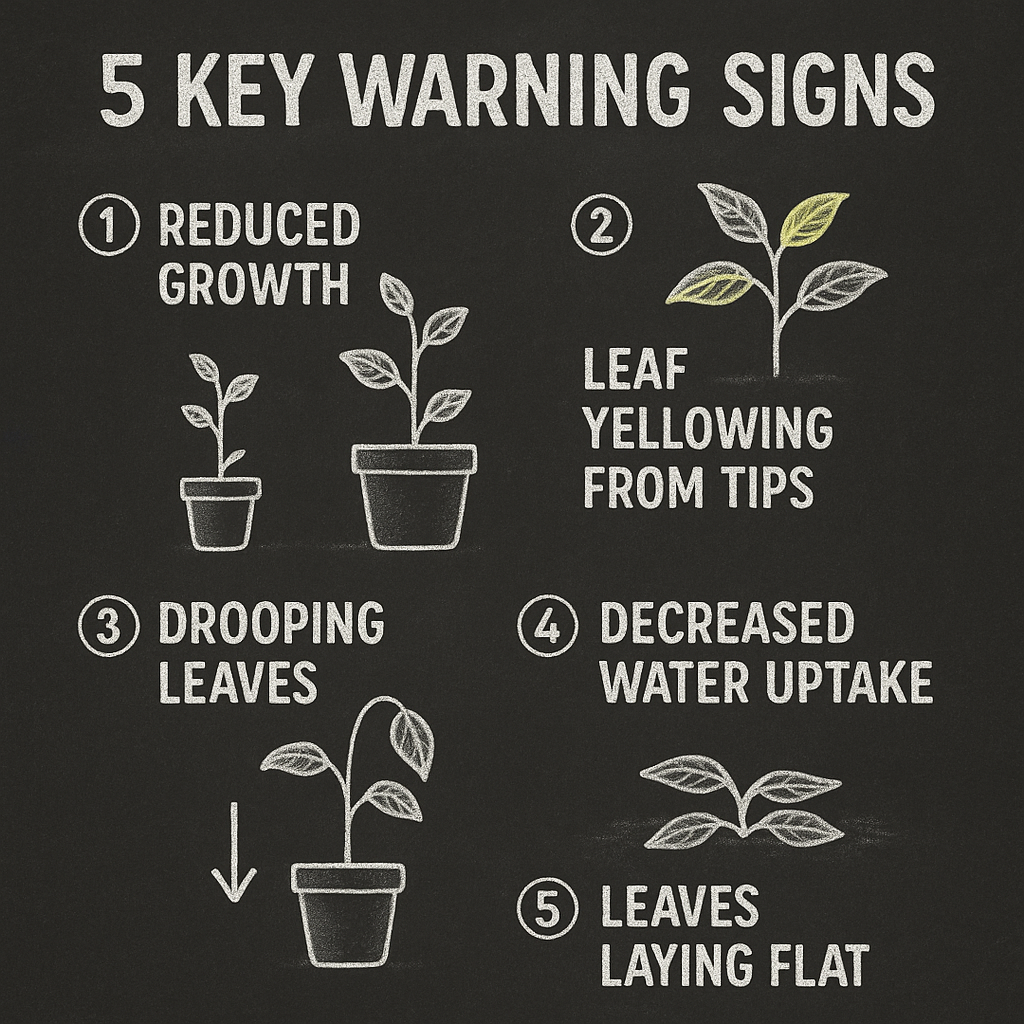
Early Warning Signs: Is Your Alocasia Going Dormant?
You can catch dormancy BEFORE all the leaves drop. Here's what to watch for:
1. Growth slows down New leaves stop emerging, or existing leaves stop unfurling. If your Alocasia was pushing weekly growth and suddenly... doesn't... that's the first sign.
2. Leaf yellowing starts from the tips Not brown spots (that's something else), but gradual yellowing from leaf tips inward. The older leaves go first.
3. Leaves droop or lay flat Instead of pointing up like they usually do, leaves start flattening out or drooping slightly.
4. Water uptake decreases You water like normal but the soil stays wet way longer. Dormant Alocasia aren't drinking much.
5. One leaf dies, then another If leaves are dying from the oldest to the newest in sequence, that's dormancy. Random leaf death all over = problem.
Dead or Dormant? The Decision Tree
This is the part that makes people throw away perfectly alive plants. Here's the actual test:
Step 1: Check the Tuber Firmness
Gently dig around in the soil (don't rip the plant out) and feel the tuber. It should feel firm, like a potato. Not mushy, not squishy, not giving when you press.
- Firm = dormant, alive
- Mushy = rot, dead
If it's firm, your plant is alive. The leaves will come back.
Step 2: The Smell Test
Dead, rotting tubers smell bad. Like rot, like compost, like something went wrong. Dormant tubers smell like... nothing. Clean. Like dirt.
Step 3: Growth Point Inspection
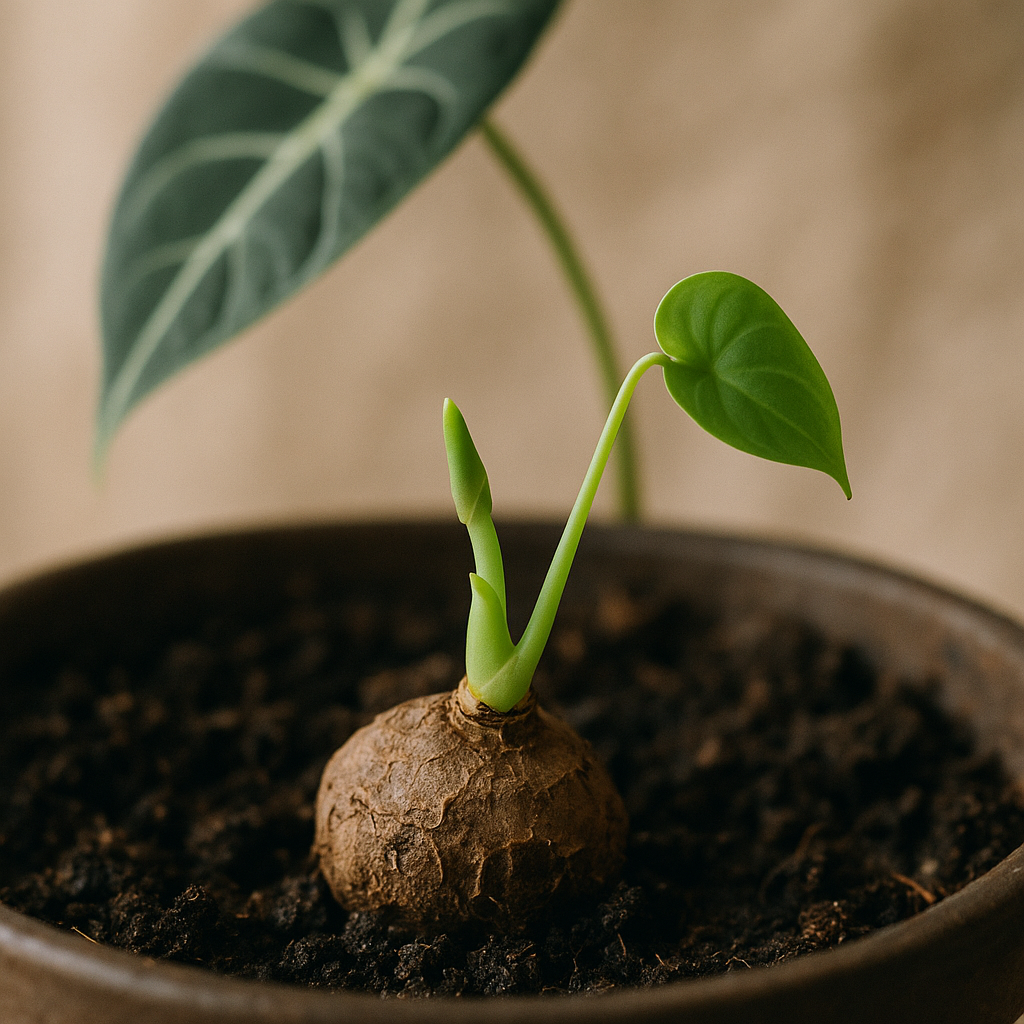
Look for a growth eye — a little bump or point on the tuber where new growth will emerge. Even if there's no leaf now, a visible growth point means the plant is planning to come back.
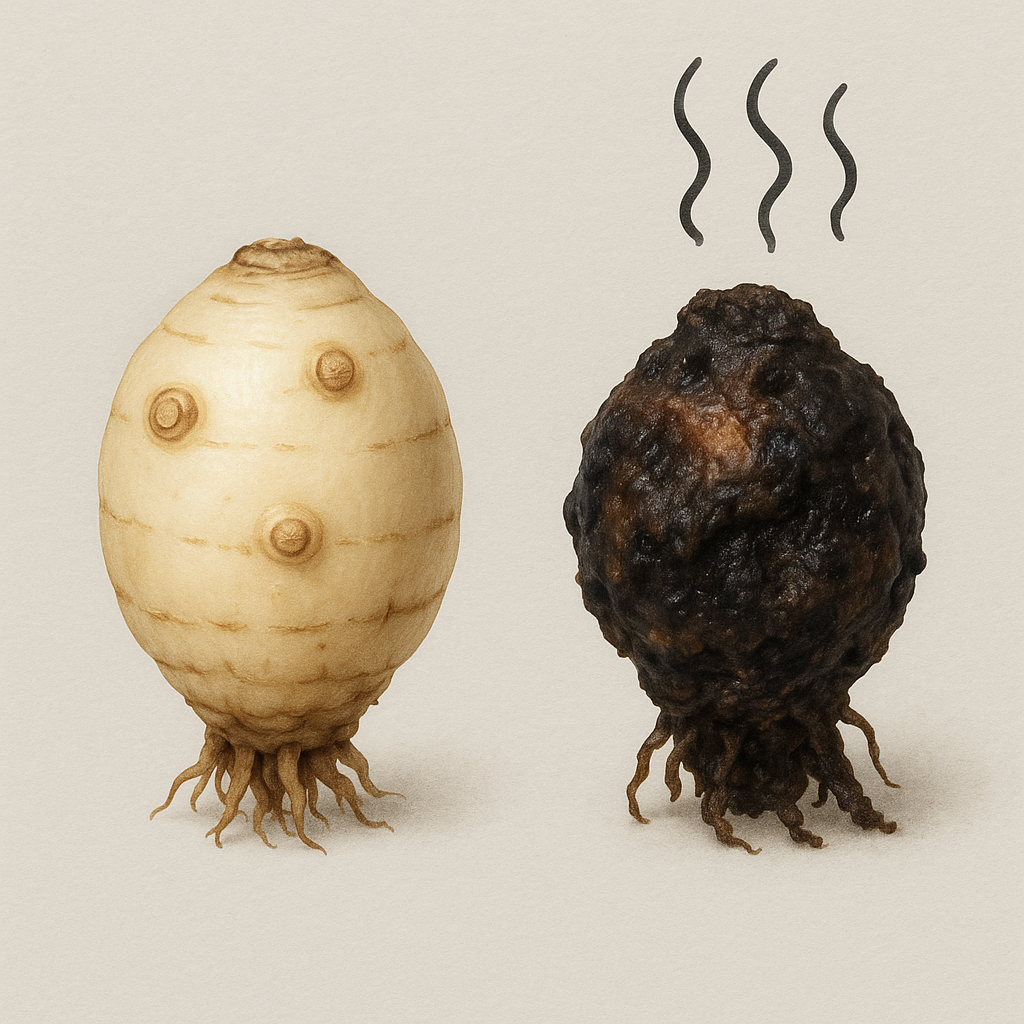
The shortcut: If the tuber is firm and doesn't smell like death, it's dormant. Not dead. Dormant. Put the trowel down.
6 Winter Mistakes Killing Your Alocasia
Here are the ways you're accidentally killing your Alocasia this time of year:
Mistake #1: Overwatering
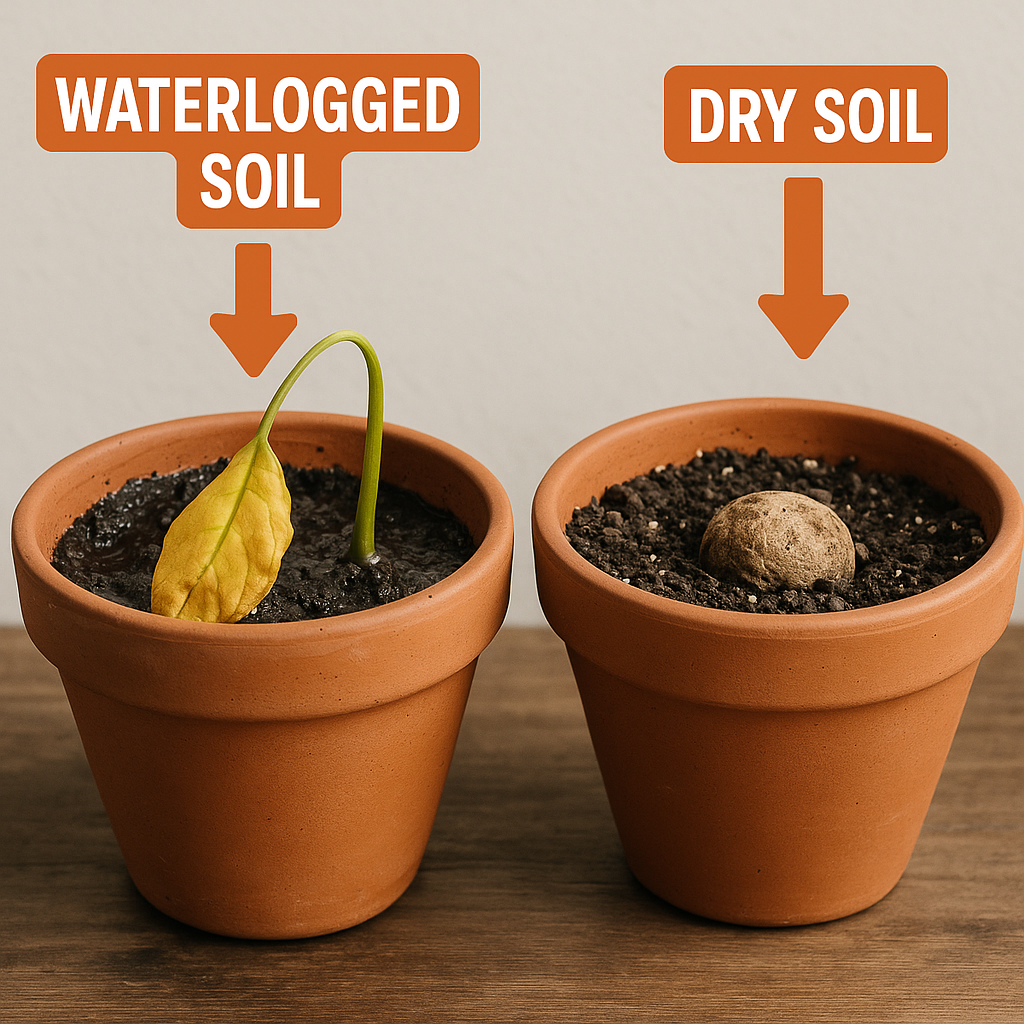
This is the #1 killer. Dormant Alocasia don't need much water. None of them do. But people panic when they see leaves dropping and drown the poor thing.
Here's the thing: when Alocasia go dormant, they use way less water. The soil stays wet. Root rot sets in. Now you've got a dead plant AND a mystery.
The fix: Water only when the soil is completely dry 2 inches down. And yes, that might mean once a month or less in winter. Check Soil Moisture if you're not sure.
Mistake #2: Cold Drafts
Alocasia hate cold. Not "chilly" — they hate it. A window that's 50°F at night will chill the roots and send the plant into shock.
Check where your Alocasia is sitting. Is it near a window? Near a door that opens to the outside? Those cold spots are stressing your plant.
The fix: Move plants 6+ inches away from cold windows, especially at night. If your house runs cold, consider a heat mat for the roots.
Mistake #3: Ignoring Humidity
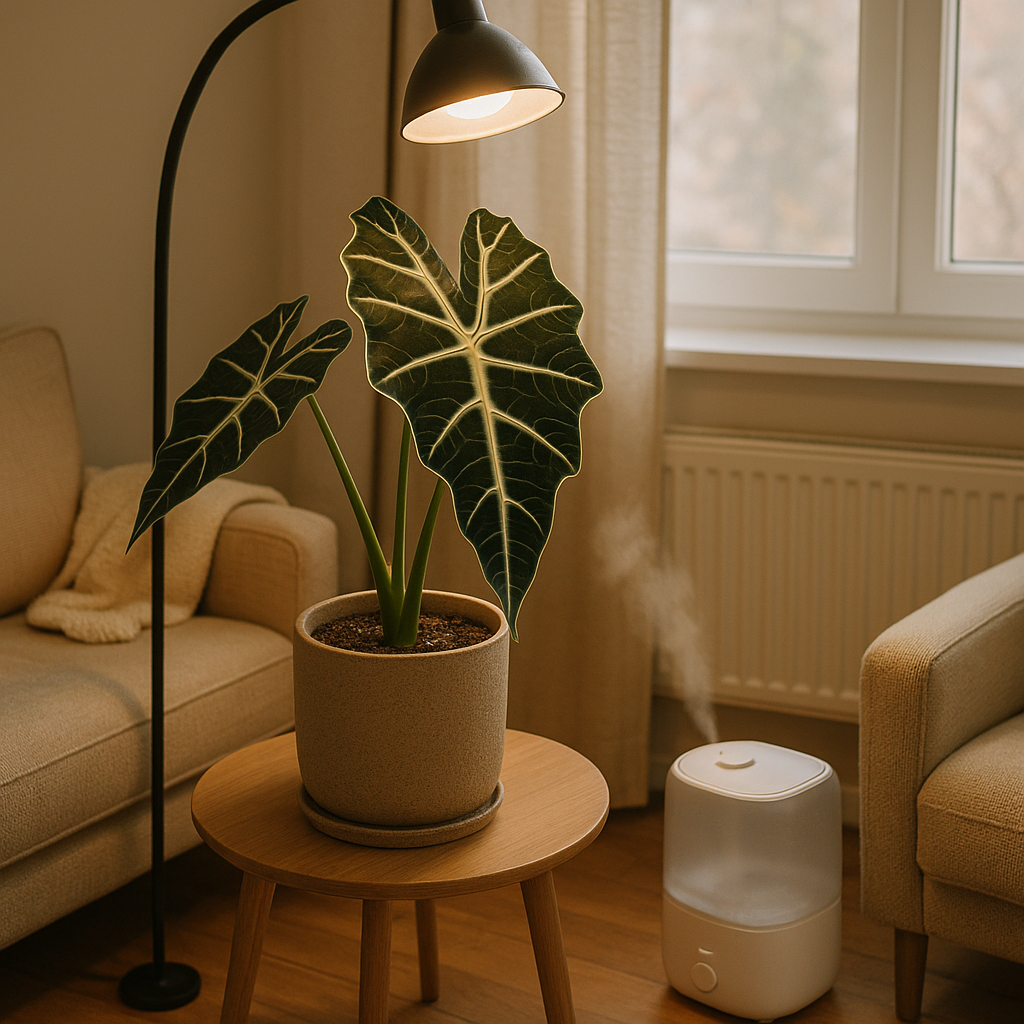
Winter air is dry. Like, desert-dry. Your Alocasia wants 60%+ humidity, and your home might be giving it 20-30%.
Dry air = leaf edges browning = stress = dormancy trigger.
The fix: Group plants together (they create a microclimate), run a humidifier, or put the pot on a pebble tray. Add Humidity if you want the lazy option.
Mistake #4: Leaving It in the Dark
Short days mean less light. Less light = less photosynthesis = more dormancy. An Alocasia in a dark corner will struggle more than one near a window (not a cold window, just... a window).
The fix: Move to your brightest window, or add a grow light. Even a cheap LED shop light helps.
Mistake #5: Fertilizing Dormant Plants
Don't do it. Seriously. Dormant plants aren't growing. They don't need food. Fertilizer sits in the soil, builds up salts, burns roots.
The fix: Stop fertilizing completely from November through February. Resume in March when you see new growth.
Mistake #6: Repotting in Winter
Repotting stresses plants. Dormant plants are already stressed. Don't compound it.
The fix: Wait until spring when the plant is actively growing. The only exception is if you're dealing with root rot and the plant is actively dying — then yes, repot now. Otherwise, hold.
Month-by-Month Winter Care Calendar
Here's what to do and when:
November — Reduce watering. Let soil dry more between waterings. Move away from cold windows. Stop fertilizing.
December — Water once every 2-3 weeks (maybe less). Check for drafts. If leaves drop, don't panic — check the tuber. Add humidity.
January — Minimum watering. Most Alocasia are fully dormant now. Keep in brightest spot possible. No fertilizer. No repotting.
February — Same as January. Keep an eye out for any signs of rot. Toward the end of the month, you might start seeing the earliest signs of wake-up.
March — Watch for new growth. When you see new leaves emerging, slowly start increasing water. Resume fertilizing at half strength.
Waking Your Alocasia Up in Spring
When new growth appears, don't just blast it with water and fertilizer. Transition slowly:
- Ease into watering — Start with small amounts, increase as leaves unfurl
- Resume fertilizer — At half strength for the first few feedings
- Move to brighter spot — As days lengthen, migrate toward more light
- Be patient — It might take a few weeks to get back to full growth
Most Alocasia emerge from dormancy between March and May, depending on your light and temps.
Quick Reference: Dormancy Care Checklist
- ✅ Tuber firm? = Alive
- ✅ Smell bad? = Rot (throw it)
- ✅ Water only when soil is dry 2" down
- ✅ Keep away from cold drafts
- ✅ Maintain 60%+ humidity
- ✅ Brightest spot possible in winter
- ✅ No fertilizer Nov-Feb
- ✅ Don't repot until spring
- ✅ Watch for new growth starting March
Want more Alocasia tips? Check out our Alocasia care guide or learn about watering schedules that actually work.
Products We Love
We use these products ourselves: