10 Moody Dark Houseplants for a Dramatic Indoor Look
Dark foliage is having a moment. Here are 10 plants that won't make your space look like a cheerful nursery.
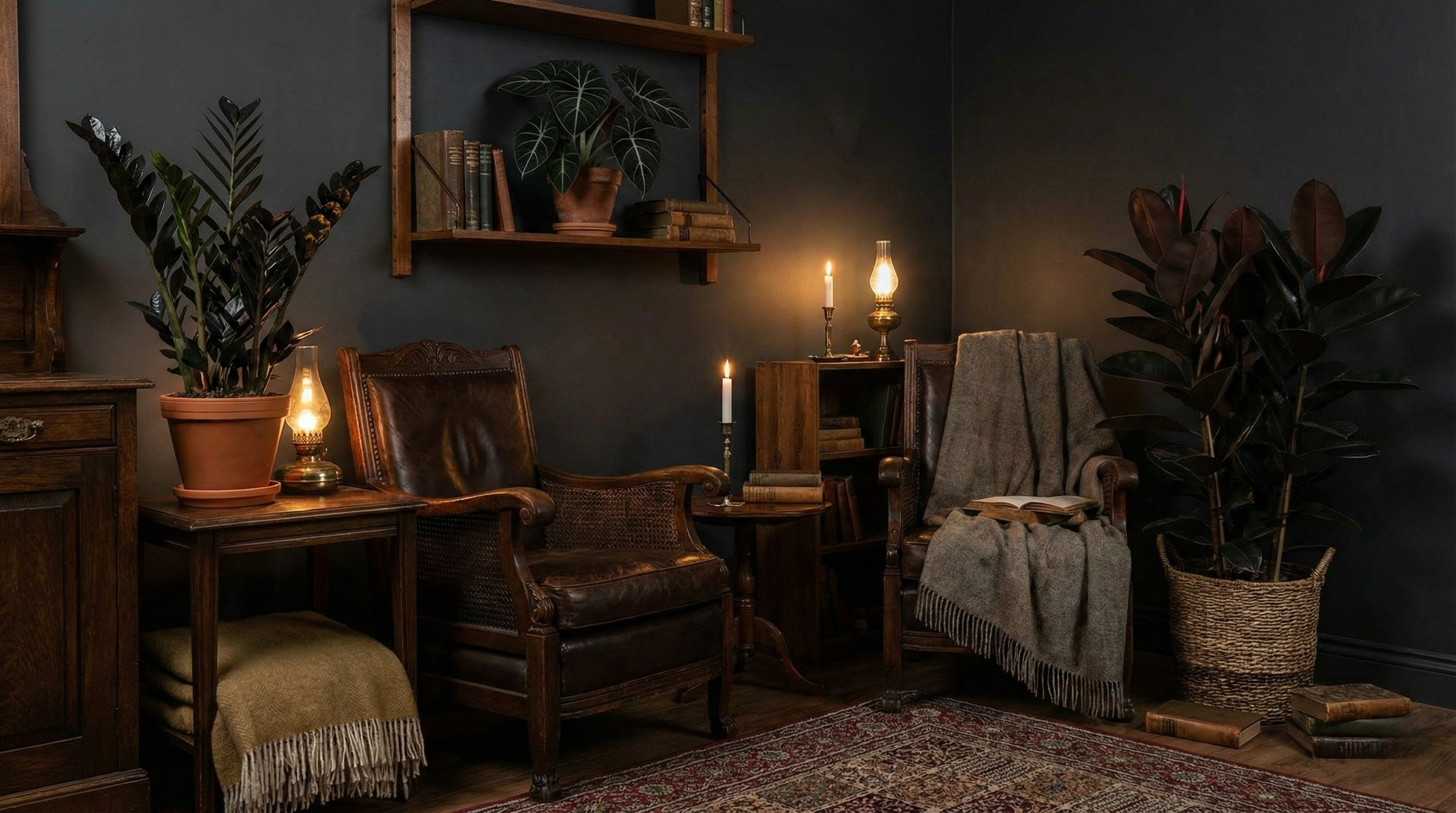
Why Moody Dark Houseplants Are Trending in 2026
If you've been anywhere near Instagram or Pinterest lately, you've noticed the shift. The bright, airy, "every surface has a fiddle leaf fig" aesthetic is giving way to something moodier. Dark foliage plants—once considered morbid or difficult—are now the must-have for anyone who wants their indoor space to feel like a gothic library rather than a greenhouse.
This isn't just a fad. Dark-leaved plants photograph well (obviously), create visual contrast with lighter walls and furniture, and there's something inherently cozy about deep greens and purples. They make a space feel intentional, curated, maybe a little bit mysterious.
The 2026 trend report from GardeningKnowHow nailed it: moody dark houseplants are the year of "dramatic elegance." Whether you're going full gothic or just want a plant that doesn't scream "I bought this at Home Depot on a Sunday," dark foliage delivers.
The bonus? Many of these plants are harder to find than their green cousins, which means your plant collection instantly looks more considered. Not every Guest Who Visits will have a Black Coral. That's the point.
Our Top 10 Picks for Dark Aesthetic Plants
These aren't just "dark green" plants. These are genuinely dark—blacks, deep purples, burgundies, and near-blacks that make a statement. I've rated each for difficulty so you know what you're getting into.
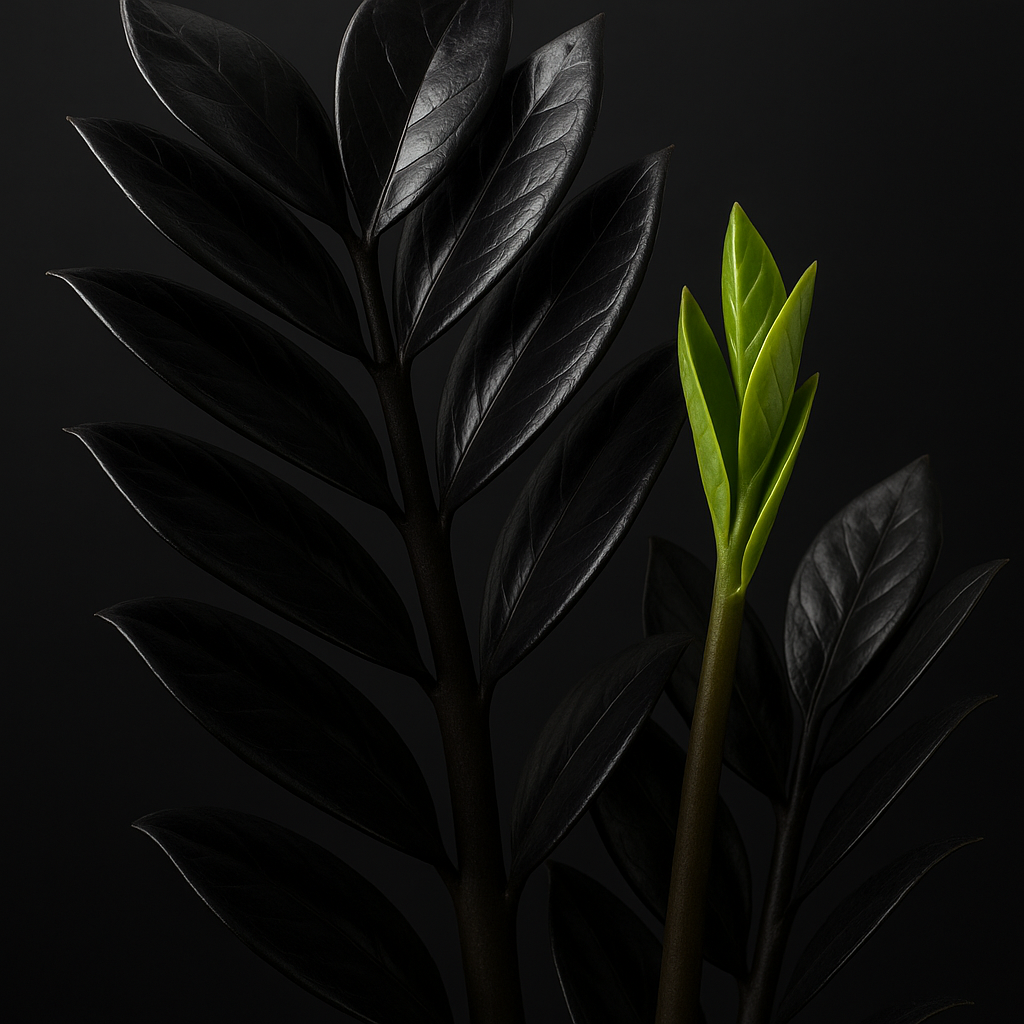
1. Raven ZZ Plant — Difficulty: Beginner
Zamioculcas zamiifolia 'Raven'
The Raven ZZ is the entrance drug for dark plant addicts. It's got near-black, almost purple-tinged foliage that looks like it's been dipped in midnight. The new growth emerges in a lighter green and slowly darkens as it matures, which means you're always getting that nice contrast within a single plant.
Light: Low to bright indirect. It'll survive in a corner that gets zero natural light, but it'll grow faster in something brighter. Don't put it in direct sun or you'll burn those gorgeous dark leaves.
Water: Basically never. ZZ plants have rhizomes that store water. You can neglect this thing for weeks. In winter, I water mine once a month. That's being generous.
Why it works: It's the "gateway dark plant" for a reason. The architectural, upright growth habit looks great on a floor stand or in a tall pot. It says "I have taste" without saying "I have time to care for plants."
Styling: Works anywhere. Bedroom, living room, bathroom that doesn't get much light. Pairs beautifully with light-colored walls or white ceramic pots.
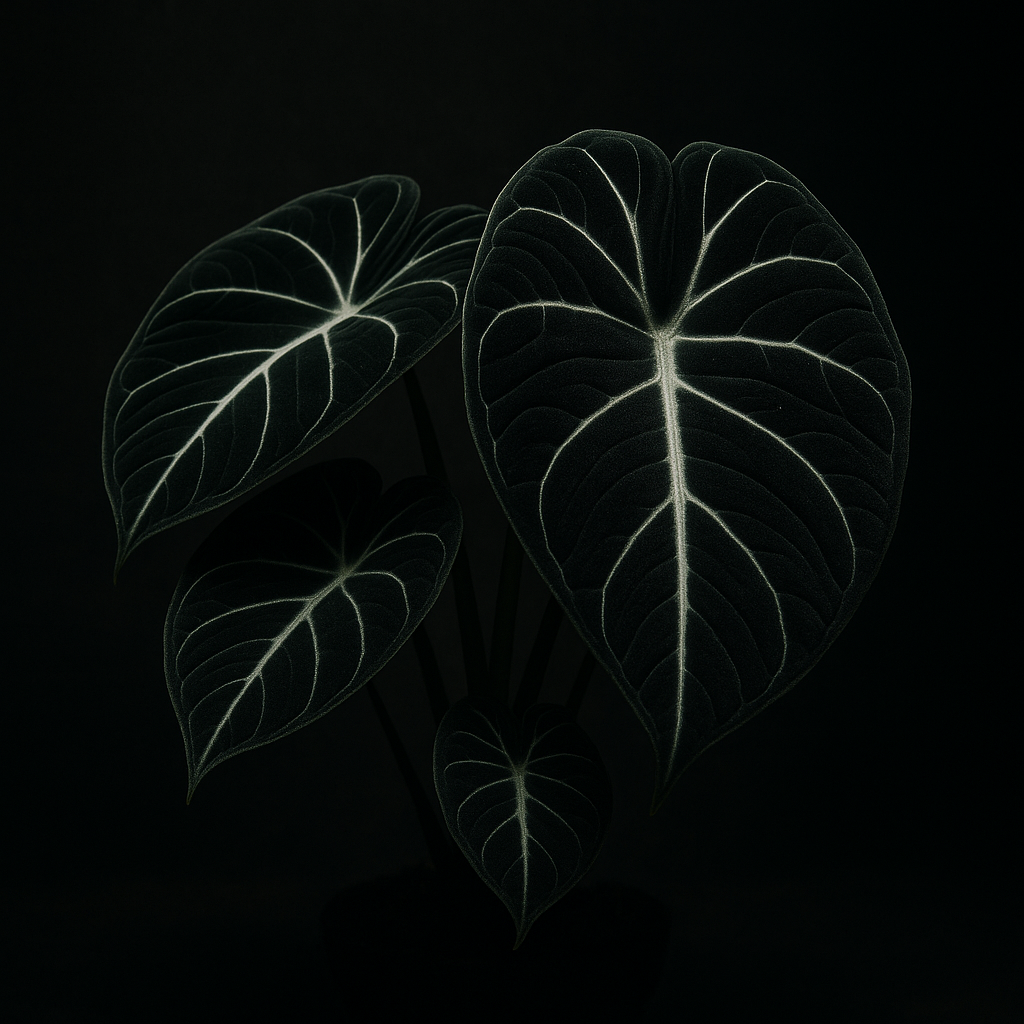
2. Black Velvet Alocasia — Difficulty: Advanced
Alocasia reginula 'Black Velvet'
Look, I'm not going to pretend this plant is easy. It's not. But it's also one of the most stunning dark plants you can grow indoors. The leaves are almost black with striking white veins—a black velvet cape that belongs in a vampire's closet.
Light: Bright indirect. These need more light than you'd think to maintain those dark colors. Too little light and they'll get leggy and sad. No direct sun, though—that'll crisp those beautiful leaves.
Water: Keep it moist but not soggy. Alocasia are drama queens that hate both overwatering and underwatering. If the top inch of soil is dry, water. If it's still damp, wait. They're also humidity divas—mist regularly or use a humidifier.
🌫️ Give Your Calathea the Humidity It Craves
Want to give your calathea the humidity it craves? Here are our tested humidifiers that keep tropical plants happy:
*As an Amazon Associate, we earn from qualifying purchases.
Why it works: It's a statement piece. One Black Velvet on a side table and your room instantly has a mood. The texture is unreal—velvety to the touch.
Styling: Keep it somewhere you can see it up close. A shelf, a bedside table, somewhere the velvety texture is visible. This isn't a plant you tuck in a corner.
Pro tip: Alocasia go dormant in winter. If leaves die back, don't panic—they'll come back in spring. This is normal, not failure.
3. Purple Sword — Difficulty: Intermediate
Alocasia baginda 'Silver Dragon'
The Silver Dragon isn't black—it's a deep, moody green with silver veins that look almost luminescent in the right light. Close enough to the dark aesthetic to earn a spot, and significantly easier than its Black Velvet cousin.
Light: Medium to bright indirect. More light = more dramatic silver veining. Less light = still dark, just less contrast.
Water: When top 2 inches are dry. These are less dramatic than other Alocasia but still appreciate consistent moisture.
Why it works: The leaf shape is stunning—elongated, arrow-shaped, almost alien. It's different enough from the typical "green leaf" that it reads as interesting without being Try-Hard.
Styling: Great on a plant stand where the undersides of the leaves are visible (they're purplish). Works in living rooms, bedrooms, even offices.
4. Dark Prince Philodendron — Difficulty: Intermediate
Philodendron 'Dark Prince'
The Dark Prince is a relatively new cultivar that's been making waves in the plant community. Dark burgundy-green leaves with a glossy finish that catches light beautifully. It's a climber/trailer, so you can let it vine or train it up a moss pole.
Light: Medium to bright indirect. More light = darker, more dramatic coloration. Can handle lower light but will grow slowly and stay smaller.
Water: When top 2-3 inches of soil dry out. Standard philodendron needs—consistent moisture during growing season, less in winter.
Why it works: The burgundy undertone is stunning. When light hits those glossy leaves, you get these incredible deep red and green reflections. It's moody but warm.
Styling: Let it trail from a high shelf or basket, or train it up a moss pole for a more compact look. Works in any room that gets some light.
5. Black Coral Tattoo — Difficulty: Intermediate
Codiaeum 'Black Coral'
Crotons get a bad reputation for being finicky, but Black Coral is worth the effort. Deep, almost black-green leaves with bright veins that look almost electric. The variegation is subtle but striking—in low light it reads as almost black, in bright light those veins pop.
Light: Bright indirect. This is one where light actually matters for the aesthetic. More light = more dramatic variegation. Too little and it'll revert to plain green.
Water: Keep evenly moist. Crotons hate drying out. If leaves start crisping at edges, it's thirsty. If they're dropping, you're overwatering.
Why it works: The leaf texture is thick and almost plastic-looking (in a good way). It looks almost too perfect to be real, which is exactly what makes it photograph well.
Styling: Bright room with good light. Put it somewhere you can appreciate the variegation. Near a window is ideal.
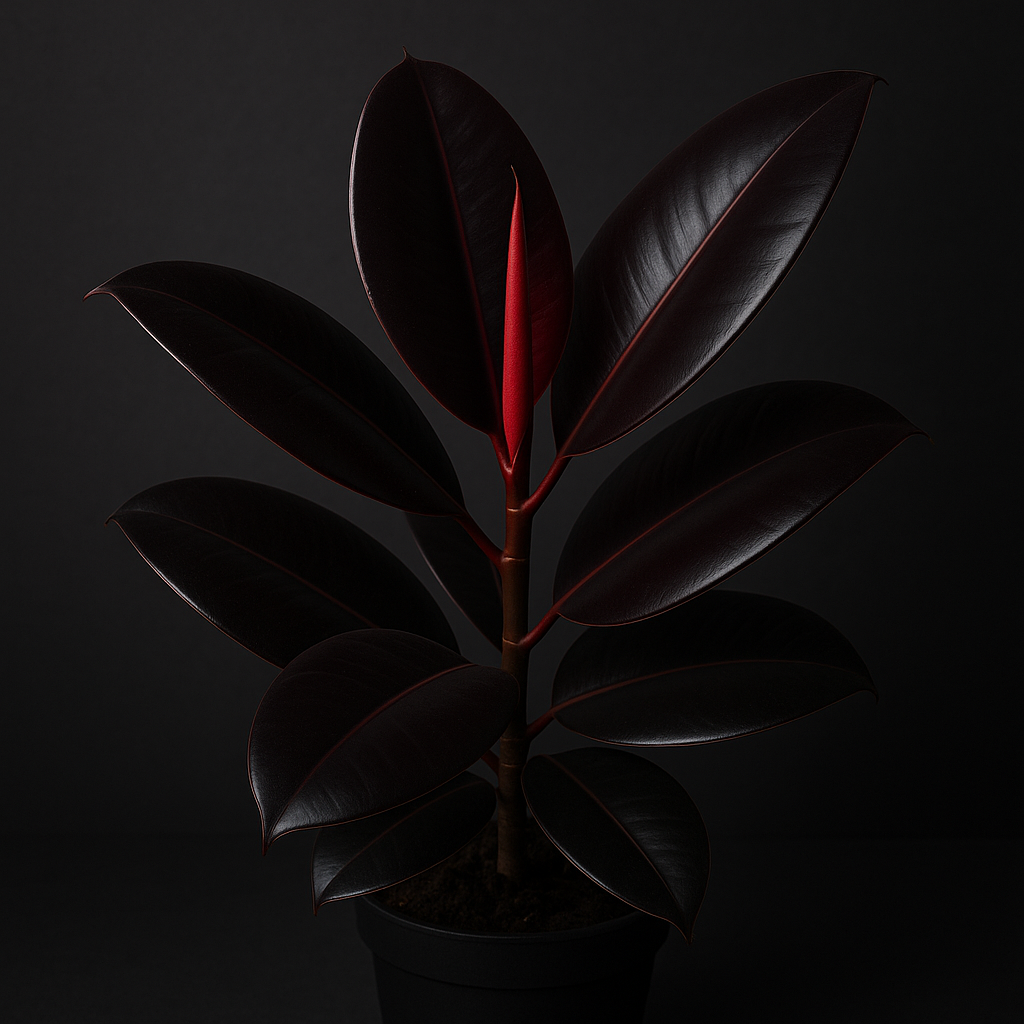
6. Burgundy Rubber Plant — Difficulty: Beginner
Ficus elastica 'Burgundy'
Here's your entry-level dark plant. The Burgundy Rubber Plant has deep, wine-colored leaves that are almost black in low light. It's got the dramatic look but the care requirements of a standard rubber plant—which is to say, basically none.
Light: Low to bright indirect. This thing is forgiving. It'll survive in a corner and thrive near a window. Just no direct sun.
Water: When top half of soil is dry. Rubber plants are resilient. If you forget to water for a week or two, it'll tell you by slightly drooping, then bounce back immediately once watered.
Why it works: Big, bold, architectural leaves that make an impact. It's the "dark plant for people who kill plants" that still looks expensive.
Styling: Floor plant. This gets big—3-4 feet easily indoors. Put it in a corner, next to a couch, anywhere you need height. Works in living rooms, bedrooms, entryways.
7. Midnight Palm — Difficulty: Intermediate
Caryota mitis (dark variety)
Midnight Palms (also called Fishtail Palms in their dark form) give you that tropical feel without the typical bright green. The fronds are a deep, moody green with a slight blue-gray undertone. It's palm-shaped but dark—so much more interesting than a regular areca palm.
Light: Medium indirect. These can handle lower light but grow best with consistent, moderate light. Avoid direct sun.
Water: When top inch is dry. Palms are somewhat drought-tolerant but don't like to dry out completely. Consistent watering schedule = happy palm.
Why it works: The leaf shape is unique—fishtail fronds that add texture and interest. It brings tropical vibes without the "bright and sunny" aesthetic.
Styling: Corner plant, floor plant, anywhere with some height. Works in living rooms, sunrooms, even bright bathrooms.
8. Black Monstera — Difficulty: Advanced
Monstera deliciosa (dark variegated)
True Black Monsteras are rare and expensive, but there's a reason plant people lose their minds over them. The dark variegation (which can range from dark green to near-black) combined with those iconic Monstera fenestrations is basically the holy grail of dark plants.
Light: Bright indirect. Variegated plants need more light to maintain their variegation. In low light, they'll revert to all-green.
Water: When top 2-3 inches are dry. Standard Monstera watering—don't let it sit in water, but don't let it dry out completely either.
Why it works: It's a Monstera. But dark. If that doesn't make sense to you, you might not be a plant person. (Just kidding. But also.)
Styling: Feature plant. Put it somewhere prominent where you can show off those fenestrations. Moss pole or stake for best growth.
Price check: True black variegated Monsteras run $200+. If you see one for $30, it's not actually black variegated—it's just dark. That's fine, but don't overpay.
9. Obsidian Fern — Difficulty: Intermediate
Pteris ensiformis (dark form)
Ferns are usually bright green, which makes a dark fern feel almost transgressive. The Obsidian Fern (sometimes called Black Fern or Pteris 'Evergreen') has deep, almost black-green fronds that are delicate and lacy. It's fern-shaped but goth.
Light: Low to medium indirect. Ferns are naturally shade-tolerant, so these work in spots where most plants would struggle.
Water: Keep consistently moist. Ferns are thirsty. If the soil dries out, the fronds will crisp up and won't recover. Mist regularly or use a humidifier.
Why it works: Texture. The lacy, delicate fronds provide contrast to the big-leaved plants on this list. It's the supporting actress who still manages to steal scenes.
Styling: Bathroom, kitchen, anywhere humid. Mount it, put it in a hanging basket, or on a shelf. Works well in groupings with other dark plants.
10. Chocolate Black Plant — Difficulty: Beginner
Hemigraphis alternata 'Chocolate'
The Chocolate Black Plant (also called Red Ivy or Purple Waffle in its dark forms) is a low-growing plant with metallic, almost chocolate-brown leaves with purple undersides. It's not as dramatic as the others on this list, but it adds depth and color to arrangements.
Light: Medium indirect. Can handle some shade but needs enough light to maintain color. Too little = greener, less chocolate-y.
Water: When top inch is dry. Standard houseplant watering. Doesn't like to dry out completely but also won't forgive overwatering.
Why it works: The color is unique—warm brown/purple rather than cold black. It's great for adding depth to plant groupings or as a "spiller" in containers.
Styling: Ground cover, in terrariums, hanging baskets, or as filler in plant arrangements. Works in any room with moderate light.
How to Style Your Moody Indoor Garden
Here's where most people mess up. You can't just put one dark plant in a room and call it a day. That's not a moody aesthetic—it's just a plant.
Layer the dark. Use multiple dark plants at different heights. The Raven ZZ in the corner, the Burgundy Rubber by the window, the Black Velvet on the shelf. Create a composition.
Contrast is key. Dark plants pop against light walls, white pots, and light-colored furniture. If your walls are dark too, you're going to lose the plants. Either paint a feature wall light or choose pots that provide contrast.
Group by texture. Mix big-leaved plants (Rubber Plant, ZZ) with delicate ones (Fern, Silver Dragon). The contrast makes both look better.
Consider the pot. White, cream, or natural terracotta pots let dark plants shine. Black pots on dark plants = visual void. Don't do it.
Care Tips for Dark Foliage Plants
A few things to know about keeping dark plants looking their best:
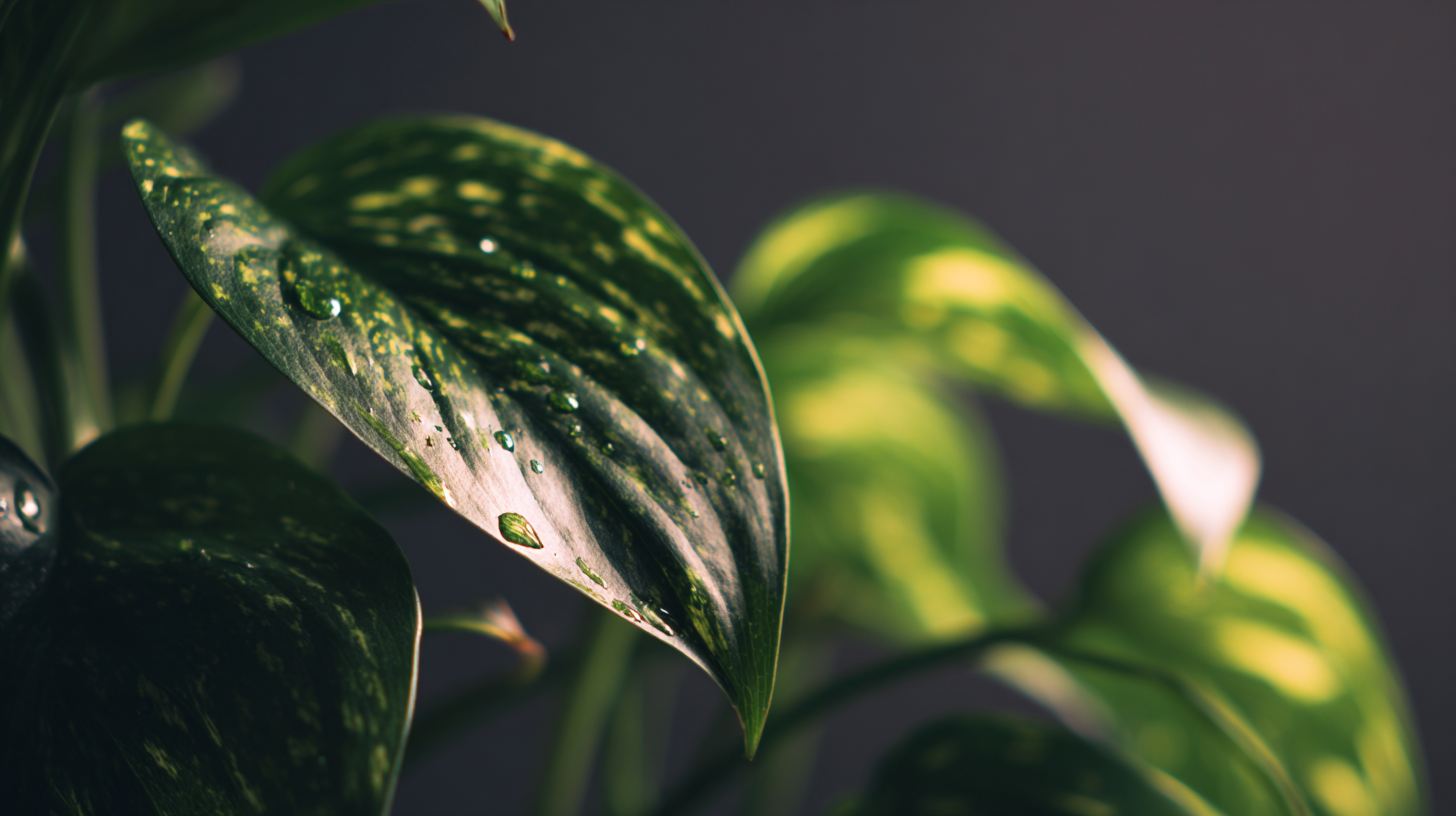
Light isn't optional. Yes, many tolerate low light. But "tolerate" and "thrive" are different words. If you want dark plants to look their best, give them more light than the bare minimum. Bright indirect is the sweet spot for most.
Clean those leaves. Dark leaves show dust and water spots more than green ones. Wipe them down monthly with a damp cloth. It'll make a huge difference in how "moody" they look.
Watch for pest issues. Dark leaves can make it harder to spot pests. Check regularly—particularly the undersides of leaves. Spider mites love dry conditions, so increase humidity if you're fighting them.
Don't overwater. This is the #1 killer of dark plants, especially the Alocasias. Dark pots hide moisture. Use your finger, not a schedule. When in doubt, wait another day.
Quick Comparison Guide
| Plant | Difficulty | Light | Water |
|---|---|---|---|
| Raven ZZ | Beginner | Low-bright indirect | Let dry between waterings |
| Black Velvet Alocasia | Advanced | Bright indirect | Keep moist |
| Silver Dragon Alocasia | Intermediate | Medium-bright indirect | Top 2" dry |
| Dark Prince Philodendron | Intermediate | Medium-bright indirect | Top 2-3" dry |
| Black Coral Croton | Intermediate | Bright indirect | Keep evenly moist |
| Burgundy Rubber Plant | Beginner | Low-bright indirect | Top 50% dry |
| Midnight Palm | Intermediate | Medium indirect | Top 1" dry |
| Black Monstera | Advanced | Bright indirect | Top 2-3" dry |
| Obsidian Fern | Intermediate | Low-medium | Keep moist |
| Chocolate Black Plant | Beginner | Medium indirect | Top 1" dry |
Bottom Line
The moody dark plant trend isn't going anywhere. These plants work with modern decor, photograph incredibly well, and most importantly, many of them are actually easy to care for.
Start with the Raven ZZ or Burgundy Rubber if you want something foolproof. Graduate to Alocasias when you're ready for the challenge. Either way, your space will instantly look more intentional and less "I bought this at Trader Joe's last month."
Ready to explore more dark-space-friendly options? Check out our best low light houseplants guide for more shade-tolerant options. Or if you're just getting started with plants in general, our easiest houseplants guide has recommendations for every commitment level.
Want to level up your plant care game? Read our watering guide to stop killing plants with kindness.